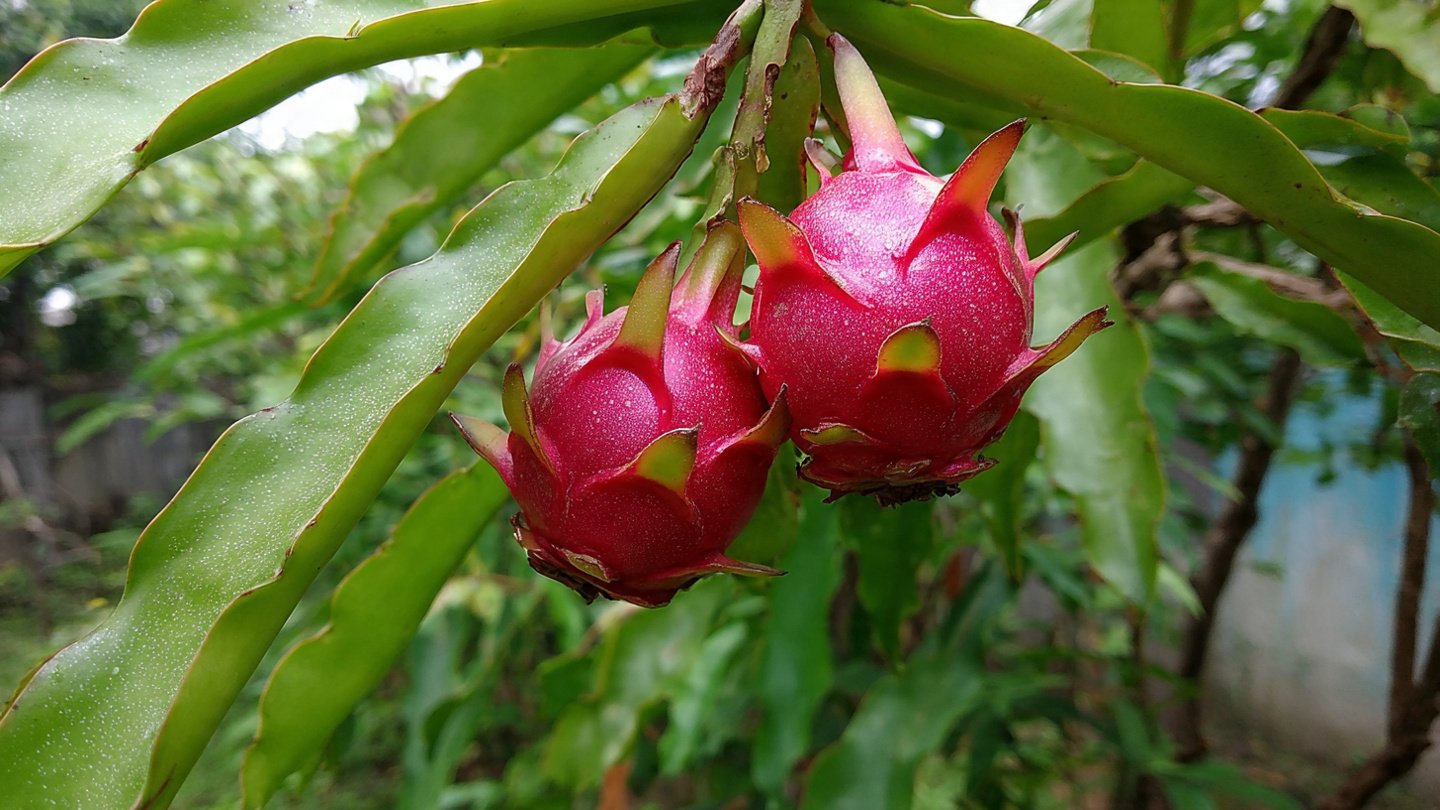
Imagine harvesting not one, but two delicious fruits from a single plant. With double harvest gardening, this dream is possible! By strategically grafting two compatible plants, gardeners can enjoy an extended variety of produce while saving space, time, and effort. One of the most exciting combinations gaining popularity among home gardeners is dragon fruit and guava. Not only are these fruits rich in nutrients and flavor, but growing them together also offers a visually stunning plant that can double your harvest and bring exotic appeal to any garden.
This guide will walk you through the principles, methods, and practical tips for successfully growing dragon fruit and guava on the same plant—even if you are a beginner gardener.
What is Double Harvest Gardening?
Double harvest gardening, also known as grafting or multi-grafting, is the process of combining two different but compatible plants onto a single rootstock. This allows one plant to bear the fruits of both species simultaneously.
Benefits of double harvest gardening include:
- Space efficiency – Perfect for small gardens, patios, or balcony setups.
- Extended fruiting period – Different plants can flower at slightly different times, ensuring continuous harvest.
- Resource sharing – The grafted plant shares water and nutrients through a single root system.
- Cost-effective – Fewer plants are needed to achieve diverse yields.
- Educational and aesthetic appeal – It’s a fun way to experiment with horticulture and impress visitors with a unique plant.
Dragon fruit and guava are ideal candidates for double harvest gardening because they share similar climate and soil requirements, making them compatible for grafting.
Why Combine Dragon Fruit and Guava?
Dragon fruit (Hylocereus spp.) is a climbing cactus prized for its striking pink or white fruits with tiny black seeds, while guava (Psidium guajava) is a tropical tree known for its fragrant, vitamin-rich fruit. Here’s why this combination works well:
- Complementary growth habits – Dragon fruit grows as a climbing cactus and can use guava branches for support, while guava provides sturdy scaffolding and soil stability.
- Nutritional diversity – Both fruits are rich in vitamins, minerals, and antioxidants, giving you a health-packed harvest.
- Efficient use of sunlight – Guava provides partial shade to dragon fruit, protecting it from extreme sun in very hot climates.
- Aesthetic appeal – The combination of spiky cactus stems with lush guava foliage creates an eye-catching garden centerpiece.
By planting these two together, gardeners can enjoy exotic flavors and a visually stunning plant in a single space.
Materials Needed
To start your double harvest gardening project, gather these materials:
- A healthy guava sapling (1–2 years old, strong root system)
- Dragon fruit cutting or young plant
- Sharp pruning knife or grafting tool
- Grafting tape or plant-safe adhesive
- Rooting hormone (optional, for faster graft success)
- Well-draining soil mix
- Fertilizer (balanced NPK or organic compost)
- Stakes or trellis for support
Having all materials ready ensures a smooth and successful grafting process.
Step 1: Choose the Right Rootstock
The guava sapling will act as the rootstock, providing the base and nutrients for both plants. When selecting a guava plant:
- Choose one that is healthy, disease-free, and strong.
- Avoid plants with any signs of fungal infection, pests, or weak stems.
- Ensure the plant has a single main trunk for easier grafting of dragon fruit.
The rootstock is critical because it determines the health, growth rate, and productivity of your grafted plant.
Step 2: Prepare the Dragon Fruit Cutting
Dragon fruit cuttings must be prepared carefully for successful grafting:
- Select a healthy, mature stem from a dragon fruit plant. Ideally, it should be 12–18 inches long and free of disease.
- Trim the base of the cutting to create a smooth, angled surface for grafting.
- Optional: Dip the cut end in rooting hormone to encourage quicker attachment and growth.
The goal is to ensure the dragon fruit cutting can easily fuse with the guava rootstock and receive nutrients efficiently.
Step 3: Grafting Technique
There are several grafting methods suitable for this combination, but the side-veneer graft works particularly well:
- Make a slanted cut on the guava trunk where you want to attach the dragon fruit cutting.
- Make a matching angled cut on the dragon fruit stem.
- Press the two cut surfaces together so the vascular cambium layers align—this is essential for nutrient and water flow.
- Secure the graft tightly using grafting tape or plant-safe adhesive.
- Keep the graft shaded for the first few weeks to prevent stress from direct sunlight.
With proper alignment and care, the graft should successfully take in 2–3 weeks, after which new growth will appear.
Step 4: Provide Proper Support
Dragon fruit is a climbing cactus that requires support to grow vertically. Even after grafting, support is essential:
- Use stakes, trellises, or nearby fences to guide growth.
- Tie dragon fruit stems loosely with soft twine to avoid damaging the plant.
- Guava branches can serve as natural scaffolding, especially for young dragon fruit plants.
Proper support ensures that both plants grow harmoniously and reduces the risk of stem breakage.
Step 5: Watering and Soil Care
Both dragon fruit and guava thrive in well-draining soil. Overwatering can cause root rot, especially in grafted plants.
- Frequency: Water 2–3 times per week, depending on weather and soil type.
- Technique: Water at the base of the plant, avoiding foliage.
- Soil mix: A mix of garden soil, compost, and sand ensures adequate drainage and nutrient availability.
Mulching around the base helps retain moisture while suppressing weeds, giving your grafted plant the best start.
Step 6: Fertilization
Fertilizing your double-harvest plant promotes faster growth and abundant fruiting:
- Apply a balanced fertilizer (NPK 10:10:10) every 4–6 weeks.
- During flowering and fruiting, switch to a high-phosphorus fertilizer to enhance flower and fruit development.
- Organic options like compost tea, fish emulsion, or well-rotted manure also work well.
Regular fertilization ensures that both the guava and dragon fruit receive adequate nutrients to grow robustly.
Step 7: Pruning and Maintenance
Maintaining a grafted plant requires careful pruning:
- Remove competing shoots from the guava trunk near the graft site to allow dragon fruit to dominate that section.
- Trim damaged or diseased stems promptly.
- Regular pruning improves airflow and sunlight penetration, reducing the risk of fungal infections.
A well-maintained plant grows faster, bears more fruit, and is easier to manage.
Step 8: Flowering and Fruit Production
With proper care, your grafted plant will begin flowering:
- Dragon fruit typically flowers at night, with blooms lasting 1–2 days. Hand pollination can improve fruit set.
- Guava produces fragrant white flowers, which naturally attract pollinators.
Fruit development usually occurs within 6–12 months, depending on the plant’s age, care, and environmental conditions.
- Harvest dragon fruit when the skin turns bright pink or red and slightly soft.
- Pick guava when the skin is pale green to yellow and gives a fragrant aroma.
Enjoy the incredible experience of harvesting two exotic fruits from a single plant!
Tips for Success
To maximize your double harvest:
- Choose the right climate – Both plants prefer tropical to subtropical conditions with warm temperatures and full sun.
- Monitor for pests – Dragon fruit can attract mealybugs and aphids; guava may get fruit flies. Early detection is key.
- Use growth regulators cautiously – Avoid overusing chemicals; organic fertilization is safer for grafted plants.
- Rotate fruits – If growing multiple grafted plants, stagger harvesting to extend the yield season.
Following these tips increases your success rate and ensures a healthy, productive plant.
Environmental and Space-Saving Benefits
Double harvest gardening is perfect for modern urban or small-space gardening:
- Efficient land use – One plant produces multiple crops, reducing the need for multiple trees.
- Sustainable gardening – Fewer plants mean reduced water and fertilizer usage.
- Urban gardening – Ideal for balconies, rooftops, and small yards.
This technique is not only practical but also a creative way to make your garden more diverse and productive.
Conclusion
Double harvest gardening opens up new possibilities for home growers. By grafting dragon fruit onto a guava plant, you can enjoy two exotic, nutritious fruits from a single plant, saving space, resources, and effort. While the process may seem technical at first, following step-by-step methods—choosing the right rootstock, preparing cuttings, grafting carefully, and providing proper care—can lead to a successful and highly rewarding garden.
Whether you’re a beginner gardener or an experienced horticulturist, this method allows you to experiment, learn, and enjoy the unique satisfaction of harvesting dragon fruit and guava from the same plant. Not only will your garden become more productive, but it will also become a conversation piece, impressing neighbors and friends alike.
Start your double harvest gardening journey today and transform your backyard into a tropical paradise with double the fruits, double the flavor, and double the joy!