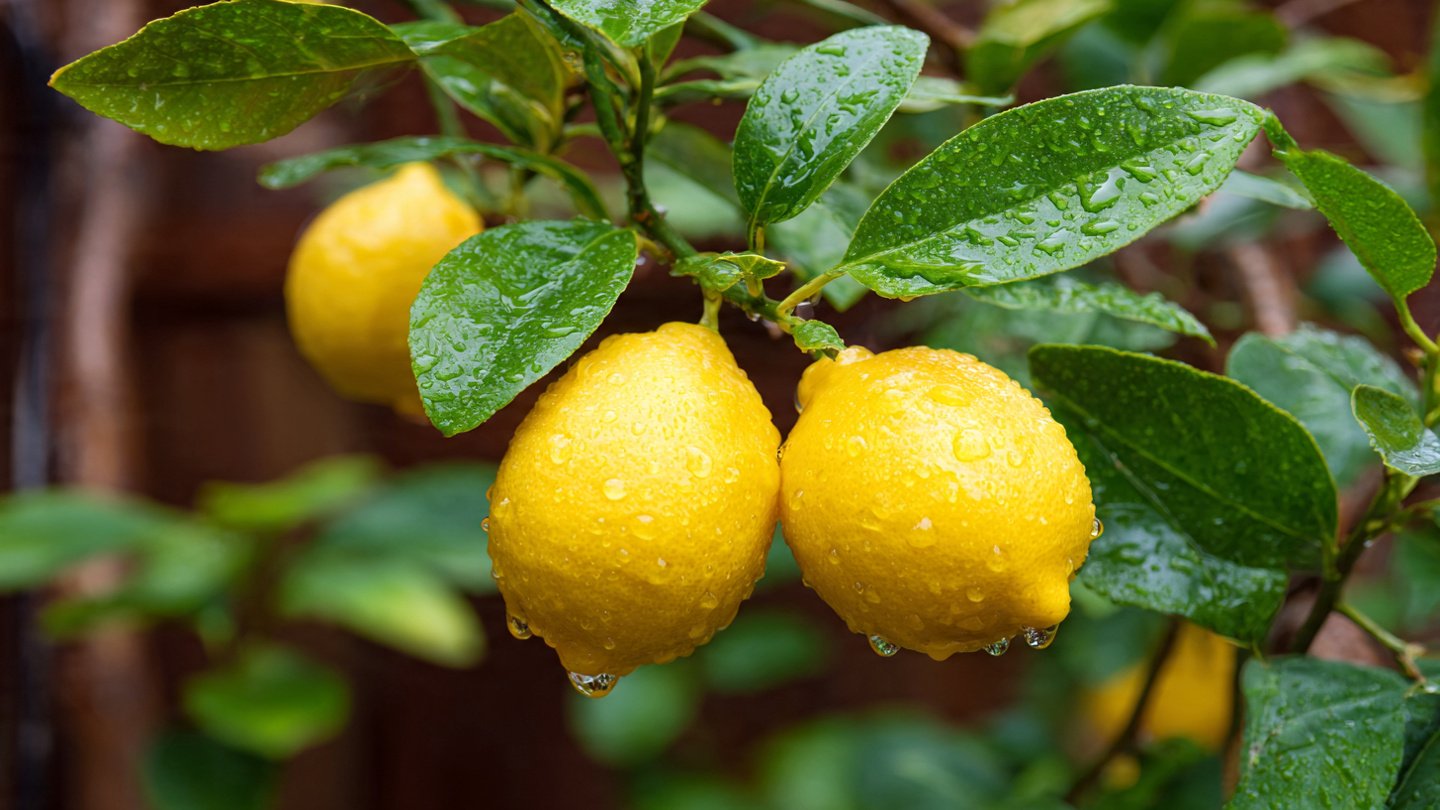
Growing your own lemon tree is one of the most rewarding gardening experiences. Few things compare to plucking fresh, sun-ripened lemons straight from your garden or balcony and using them in your kitchen. While lemon trees are relatively easy to grow, achieving a healthy, fast-growing, and highly productive plant requires the right techniques from the very beginning.
This comprehensive guide will walk you through everything you need to know—from choosing the right variety to planting, care, pruning, and troubleshooting—so your lemon tree grows perfectly and produces abundantly year after year.
Why Grow a Lemon Tree at Home?
Lemon trees are not only productive but also beautiful. Their glossy green leaves, fragrant white blossoms, and bright yellow fruits make them excellent ornamental plants. Whether grown in the ground or in containers, lemon trees adapt well to home gardens and balconies.
Key benefits include:
- Fresh, chemical-free lemons year-round
- Long-lived plants that fruit for decades
- Natural air purification and aesthetic appeal
- Cost savings compared to store-bought lemons
With proper care, a lemon tree can start producing fruit within 2–3 years if grown from a sapling.
Choosing the Right Lemon Variety
Selecting the correct lemon variety is crucial for success. Some varieties grow better in containers, while others thrive in open soil.
Popular choices for home gardeners include:
- Dwarf lemon varieties for balconies and pots
- Evergreen lemon types suitable for warm climates
- Hardy varieties for slightly cooler regions
If you live in a hot or tropical climate, most lemon trees will perform well. For cooler areas, choose cold-tolerant varieties or grow them in containers that can be moved indoors during winter.
Ideal Growing Conditions for Lemon Trees
Sunlight Requirements
Lemon trees love sunlight. They require at least 6–8 hours of direct sunlight daily. Insufficient light leads to slow growth, fewer flowers, and poor fruit development.
Place container plants near a sunny window or on a bright balcony. In gardens, choose a spot with maximum sun exposure.
Temperature and Climate
Lemon trees thrive in warm conditions. Ideal temperatures range between 20°C and 30°C. They can tolerate brief cold spells but may suffer damage if temperatures drop too low.
Protect young plants from frost and extreme cold using covers or by moving pots indoors.
Soil Preparation: The Foundation of a Healthy Tree
Healthy roots mean a healthy lemon tree. The soil should be:
- Well-draining
- Rich in organic matter
- Slightly acidic to neutral (pH 5.5–7)
Best soil mix for pots:
- Garden soil
- Compost or well-rotted manure
- Sand or perlite for drainage
Avoid heavy clay soil, as it retains too much water and can cause root rot.
Planting Your Lemon Tree Correctly
In the Ground
Dig a hole twice as wide and as deep as the root ball. Place the tree carefully, ensuring the graft union stays above soil level. Fill the hole with prepared soil, gently firm it, and water thoroughly.
In Containers
Choose a pot with drainage holes, at least 12–18 inches deep. Repot every 2–3 years to allow continued root growth.
Watering: The Right Balance Matters
Overwatering is one of the most common mistakes. Lemon trees prefer deep but infrequent watering.
Watering tips:
- Water when the top 2 inches of soil feel dry
- Reduce watering during winter
- Ensure excess water drains freely
Yellowing leaves often signal overwatering, while dry, curling leaves indicate underwatering.
Feeding for Fast Growth and High Yields
Lemon trees are heavy feeders and need regular nutrition.
Essential nutrients include:
- Nitrogen for leaf growth
- Phosphorus for roots and flowers
- Potassium for fruit quality
Use a balanced citrus fertilizer every 4–6 weeks during the growing season. Organic options like compost tea, banana peel water, and vermicompost also work well.
Pruning and Training Your Lemon Tree
Pruning helps shape the tree, improve airflow, and boost fruit production.
When and how to prune:
- Prune lightly after harvesting
- Remove dead, diseased, or crossing branches
- Cut off suckers growing below the graft
Avoid heavy pruning, as lemon trees fruit on mature wood.
Flowering, Pollination, and Fruit Set
Lemon trees produce fragrant flowers that usually self-pollinate. However, gently shaking the branches or using a soft brush can improve fruit set, especially for indoor or balcony plants.
Ensure consistent watering and feeding during flowering to prevent flower drop.
Common Problems and Easy Solutions
Yellow Leaves
Caused by nutrient deficiency or overwatering. Adjust feeding and improve drainage.
Leaf Curl or Drop
Usually due to stress from temperature changes, pests, or irregular watering.
Pests
Aphids, spider mites, and mealybugs are common. Treat with neem oil or mild soap spray.
No Fruits
Often caused by lack of sunlight, excessive nitrogen, or improper pruning.
Harvesting Lemons the Right Way
Lemons are ready to harvest when they turn bright yellow and feel firm. Unlike some fruits, lemons do not continue ripening after picking.
Use clean pruning shears to avoid damaging the branches.
Final Tips for a Perfect Lemon Tree
- Provide plenty of sunlight year-round
- Feed regularly but avoid over-fertilizing
- Maintain good airflow and drainage
- Be patient—healthy lemon trees improve with age
Conclusion
Growing a perfect lemon tree isn’t difficult—it simply requires understanding the plant’s basic needs and providing consistent care. With the right soil, sunlight, watering routine, and feeding schedule, your lemon tree will grow vigorously, flower beautifully, and reward you with baskets of fresh, juicy lemons for years to come.