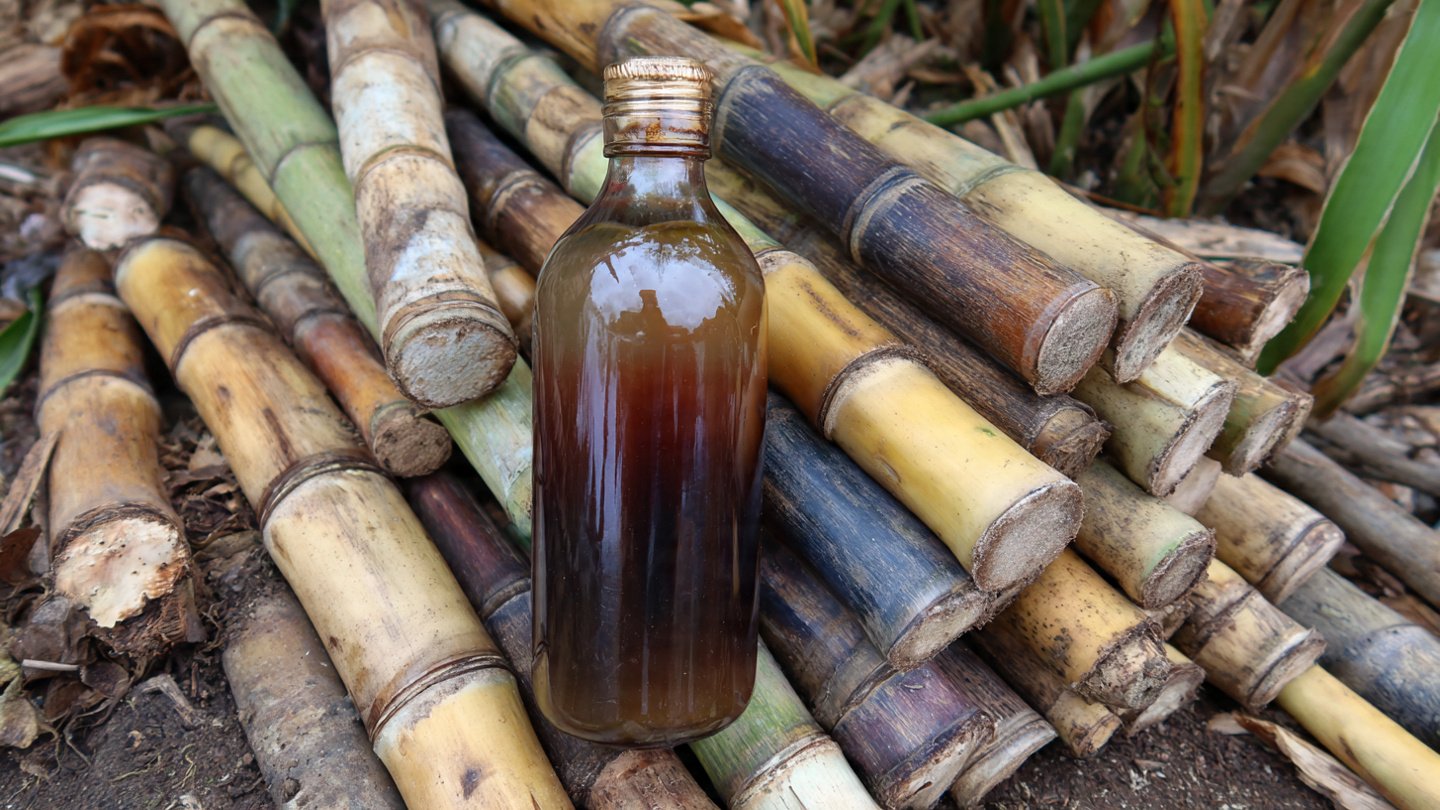
Gardening enthusiasts are always looking for ways to enhance soil fertility and promote healthy plant growth without resorting to chemical fertilizers. One of the most effective and natural methods is creating organic liquid fertilizer from bamboo shoots. Rich in nutrients such as potassium, silica, and nitrogen, bamboo-based fertilizer provides plants with essential minerals, strengthens stems, boosts root development, and improves overall soil health.
In this guide, we will explore how to make your own DIY organic liquid fertilizer from bamboo shoots, step by step, and explain how it can naturally enhance your garden’s productivity.
Why Use Bamboo Shoots for Fertilizer?
Bamboo is a fast-growing plant, often considered invasive in many regions, but its shoots can be repurposed into a powerful, nutrient-rich fertilizer. Here are some reasons why bamboo shoots are excellent for gardening:
- Rich in Nutrients: Bamboo shoots contain nitrogen, phosphorus, potassium, calcium, and silica—all essential for plant growth.
- Eco-Friendly: Utilizing bamboo reduces waste and minimizes the need for chemical fertilizers.
- Promotes Soil Health: Regular use improves soil structure and microbial activity.
- Strengthens Plants: Silica from bamboo improves stem strength and disease resistance.
- Cost-Effective: Bamboo shoots are inexpensive or even free if you have access to bamboo groves.
By creating a liquid fertilizer, these nutrients become easily absorbable by plants, supporting rapid growth and vibrant foliage.
Step 1: Gathering Materials
Before making your bamboo-based fertilizer, gather the necessary materials. Here’s what you’ll need:
- Fresh bamboo shoots or small bamboo branches
- Water (preferably rainwater)
- A large bucket or container with a lid
- A knife or chopping tool
- Strainer or cheesecloth
- Optional: molasses or sugar to accelerate fermentation
Having these items ready makes the process simple and efficient, even for beginners.
Step 2: Selecting Bamboo Shoots
The quality of your fertilizer depends on the bamboo shoots you use. Choose:
- Young shoots: Fresh and tender shoots are more nutrient-rich.
- Healthy bamboo branches: Avoid diseased or dried-out bamboo.
- Non-flowering bamboo: Shoots from flowering bamboo can have slightly altered nutrient profiles.
If using harvested shoots from a forest or garden, make sure they are free from pesticides or herbicides to maintain the organic integrity of your fertilizer.
Step 3: Preparing Bamboo Shoots
Once you have your bamboo shoots, preparation is the next step.
- Wash the shoots thoroughly to remove dirt, dust, or pests.
- Chop the bamboo shoots into small pieces. The smaller the pieces, the faster they will decompose during fermentation.
- Optional: Crush the shoots lightly to release more natural juices, enhancing nutrient extraction.
Proper preparation ensures maximum nutrient availability for your plants once the fertilizer is applied.
Step 4: Fermenting Bamboo Shoots
Fermentation is a key step in creating an effective liquid fertilizer. The process converts the nutrients in bamboo shoots into forms that are readily absorbed by plants.
Steps for fermentation:
- Place chopped bamboo shoots into a large bucket or container.
- Add water to fully submerge the bamboo pieces.
- Optional: Add a tablespoon of molasses or sugar to accelerate fermentation by feeding beneficial microbes.
- Cover the container loosely to allow gases to escape while keeping insects out.
- Let it sit in a shaded area for 2–3 weeks, stirring every few days.
During fermentation, a natural odor may develop—this is normal and indicates microbial activity breaking down the bamboo shoots into nutrient-rich liquid.
Step 5: Straining and Storing
After the fermentation period, the liquid fertilizer is ready to use.
- Strain the mixture using a fine mesh strainer, cheesecloth, or nylon cloth to separate the liquid from the bamboo residue.
- Transfer the liquid into clean storage containers with lids.
- Store the fertilizer in a cool, shaded area. It can last for several months if properly sealed.
The remaining bamboo residue can be composted and added to your garden soil to further enrich it.
Step 6: Applying Bamboo-Based Fertilizer
Using your DIY bamboo fertilizer correctly ensures plants receive optimal nutrients without causing harm.
Application tips:
- Dilution: Dilute the liquid with water in a ratio of 1:10 (fertilizer: water) for seedlings and 1:5 for established plants.
- Soil drenching: Pour the diluted liquid at the base of plants, allowing roots to absorb nutrients efficiently.
- Foliar spray: For a faster nutrient boost, spray diluted fertilizer directly onto leaves. Silica in bamboo strengthens leaf structure and promotes photosynthesis.
- Frequency: Apply every 2–3 weeks during the growing season for best results.
Consistent use of this fertilizer encourages healthier, more resilient plants while improving soil fertility naturally.
Step 7: Benefits of Bamboo Liquid Fertilizer
- Accelerates Plant Growth: Nitrogen in bamboo stimulates leaf and stem growth.
- Enhances Root Development: Potassium supports strong roots and overall plant vigor.
- Increases Disease Resistance: Silica strengthens cell walls, making plants less susceptible to pests and diseases.
- Promotes Soil Microbes: Fermented bamboo improves soil microbial diversity, which enhances nutrient cycling.
- Eco-Friendly Gardening: Reduces reliance on chemical fertilizers, promoting sustainable gardening practices.
By incorporating bamboo liquid fertilizer into your routine, you can maintain a natural and healthy garden ecosystem.
Step 8: Tips for Maximum Effectiveness
To get the most out of your bamboo-based fertilizer, keep these tips in mind:
- Use fresh bamboo: Nutrient levels decline in older, woody bamboo.
- Maintain proper fermentation: Avoid airtight containers to prevent harmful anaerobic bacteria.
- Combine with compost: Liquid fertilizer works best alongside organic soil amendments.
- Monitor plant response: Adjust dilution rates based on how your plants react to avoid nutrient burn.
- Rotate crops: Different plants benefit from varying nutrient levels; bamboo fertilizer is versatile for vegetables, flowers, and fruiting plants.
With attention to detail, your garden will thrive naturally with minimal environmental impact.
Step 9: Safety Considerations
While bamboo fertilizer is natural, take basic precautions:
- Wear gloves when handling fermented liquid to avoid skin irritation.
- Avoid ingestion—fertilizer is for plants only.
- Keep out of reach of children and pets.
- Clean all utensils and containers thoroughly to prevent contamination.
These precautions ensure safe and effective use of your homemade fertilizer.
Step 10: Enhancing Your Gardening Routine
DIY bamboo liquid fertilizer is not only a great plant booster but also integrates well into a holistic organic gardening approach:
- Composting synergy: Use bamboo residue in compost piles.
- Mulching: After application, cover soil with organic mulch to retain moisture.
- Integrated pest management: Healthy plants nourished with bamboo fertilizer are more resistant to pests.
- Sustainable cycles: Grow your own bamboo if possible, creating a renewable source of fertilizer.
By making bamboo fertilizer a part of your gardening routine, you create a sustainable cycle of nutrient-rich growth for your plants.
Conclusion
Creating DIY organic liquid fertilizer from bamboo shoots is an easy, cost-effective, and eco-friendly way to boost your garden naturally. Rich in nutrients, simple to make, and versatile in application, bamboo-based fertilizer supports plant growth, strengthens stems, enhances root systems, and improves soil health.
By following this step-by-step guide—from selecting bamboo shoots, fermenting, and straining to proper application—you can ensure a continuous supply of natural fertilizer that benefits both your plants and the environment. Whether you grow vegetables, fruiting plants, or ornamental flowers, this method provides a sustainable solution to achieving a thriving garden without relying on chemical inputs.
With patience and consistent application, your garden can flourish, producing healthier, stronger, and more productive plants—all thanks to the natural power of bamboo.