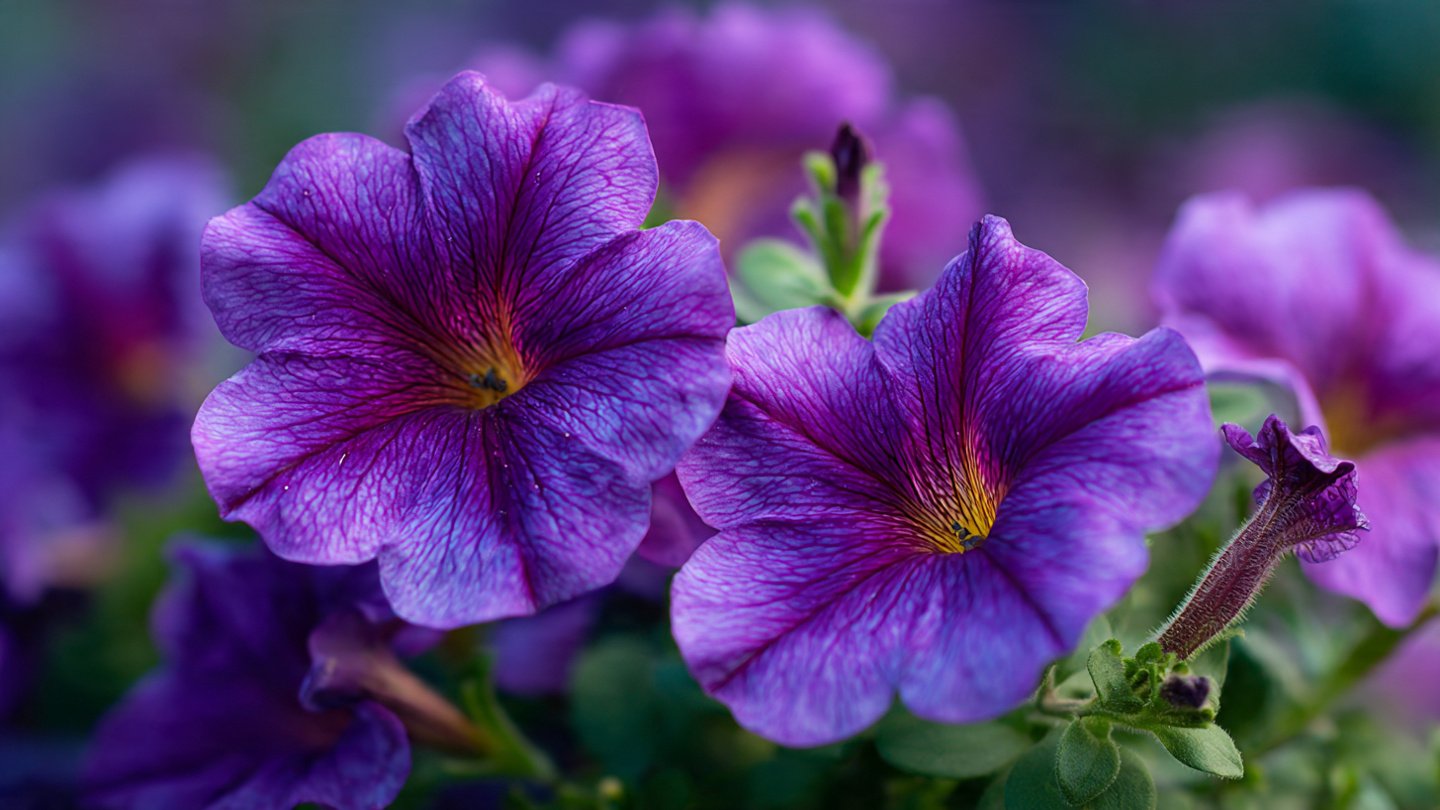
Petunias are among the most popular and versatile flowering plants, adored for their bright, cheerful blooms and ability to fill gardens, containers, and hanging baskets with vibrant color. While buying young plants from a nursery is an option, growing petunias from seed offers gardeners a more rewarding and cost-effective experience. Starting from seed allows for a wider variety of colors and types, and gives you full control over your plant’s growth from the very beginning.
This comprehensive guide will walk you through everything you need to know to successfully grow petunias from seed, ensuring healthy plants and abundant flowers throughout the season.
Why Grow Petunias from Seed?
Growing petunias from seed has several advantages:
- Cost-effective – Buying seeds is much cheaper than purchasing established plants, especially if you want a large garden display.
- Variety – There are hundreds of petunia varieties available in seed form, allowing gardeners to select unique colors and patterns.
- Control over growth – Starting from seed gives you control over soil, watering, and fertilization, which can lead to stronger, healthier plants.
- Extended blooming season – Plants started early from seed can bloom earlier and last longer throughout the growing season.
Although starting from seed requires patience, the process is simple if you follow the right techniques.
Choosing the Right Seeds
Petunia seeds are tiny and delicate, so selecting quality seeds is essential. Look for:
- Fresh seeds – Check expiration dates for viability. Older seeds may have low germination rates.
- Desired variety – Decide if you want trailing, spreading, or upright petunias depending on your garden layout.
- Hybrid vs. heirloom – Hybrids often produce more uniform flowers, while heirlooms offer unique colors and natural resilience.
Once you have the right seeds, you’re ready to start the growing process.
Preparing the Soil and Containers
Petunia seeds require well-draining, light soil to germinate successfully. A fine seed-starting mix is ideal because it holds moisture without becoming waterlogged. Avoid heavy garden soil that can compact and inhibit root growth.
Use small containers or seed trays with drainage holes. Fill them with the prepared seed-starting mix and moisten the soil lightly. Seeds should not be buried deeply—they need light to germinate. Simply press them gently onto the surface of the soil and leave them uncovered or only lightly dusted with soil.
Ideal Conditions for Germination
Petunia seeds are tiny and sensitive, so creating the right environment is crucial for successful germination:
- Temperature – Petunia seeds germinate best at 70–75°F (21–24°C). Using a seedling heat mat can help maintain consistent warmth.
- Light – Seeds need light to sprout. Place trays in a bright window or under grow lights for 12–16 hours per day.
- Moisture – Keep the soil consistently moist but not soggy. Use a spray bottle to mist gently to avoid displacing seeds.
- Air circulation – Ensure gentle airflow to prevent fungal growth or damping-off disease.
Germination typically occurs within 7–14 days, depending on the variety and environmental conditions.
Transplanting Seedlings
Once seedlings develop 2–3 true leaves, they are ready to be transplanted into larger pots or directly into garden beds. Harden off seedlings first by gradually exposing them to outdoor conditions over 5–7 days, starting with a few hours of morning sun each day.
When transplanting, be careful not to damage the fragile roots. Plant them in well-draining soil with spacing of 8–12 inches for spreading varieties or 12–18 inches for larger types. Proper spacing allows for good air circulation, reducing the risk of disease and promoting fuller growth.
Watering and Fertilizing
Petunias require consistent moisture, especially during the early stages of growth. However, overwatering can cause root rot. Water seedlings when the top inch of soil feels dry, preferably using a gentle watering can or drip irrigation to avoid disturbing the soil.
Once established, petunias are moderately drought-tolerant, but regular watering encourages continuous blooming. Fertilizing every 2–3 weeks with a balanced liquid fertilizer supports strong foliage and abundant flowers. For optimal results, use a fertilizer higher in phosphorus, which promotes blooming.
Pruning and Deadheading
To encourage bushy growth and extended flowering, regularly pinch back petunia stems and remove spent blooms. Deadheading prevents the plant from focusing energy on seed production, redirecting it toward new flower growth.
Pinching young stems early in the season also helps the plant develop multiple branches, resulting in a fuller, more attractive plant.
Pest and Disease Management
Petunias are generally hardy, but they can be affected by common pests such as aphids, spider mites, and whiteflies. Inspect plants regularly and use mild organic insecticidal sprays if necessary.
Diseases like powdery mildew or root rot can occur if plants are overcrowded or overwatered. Good air circulation, proper spacing, and careful watering practices help prevent these issues. Choosing disease-resistant varieties can also reduce the risk of problems.
Tips for Maximizing Blooms
- Provide full sun – Petunias bloom best in at least 6–8 hours of direct sunlight daily.
- Regular fertilization – Balanced feeding supports continuous growth and vibrant flowers.
- Deadhead frequently – Remove faded blooms to encourage new flowers.
- Monitor for stress – Keep an eye on signs of nutrient deficiency, pests, or water stress and address them promptly.
With consistent care, petunias grown from seed can provide a stunning display from late spring through fall.
Advantages of Growing Petunias from Seed vs. Buying Plants
While nursery plants offer instant gratification, growing from seed allows:
- Greater variety selection
- Longer bloom season
- Stronger, well-adapted plants
- Cost savings for larger gardens
The sense of accomplishment and connection to your garden is also a rewarding benefit when growing plants from scratch.
Conclusion
Growing petunias from seed is a simple, rewarding process that offers vibrant, long-lasting blooms for your garden, balcony, or containers. With careful attention to soil, light, moisture, and care techniques such as deadheading and pruning, you can cultivate strong, healthy plants that flower abundantly all season.
Patience and consistency are key. By following this ultimate guide, you’ll not only enjoy the beauty of petunias but also gain the satisfaction of nurturing them from tiny seeds to full, colorful blooms that brighten any space.