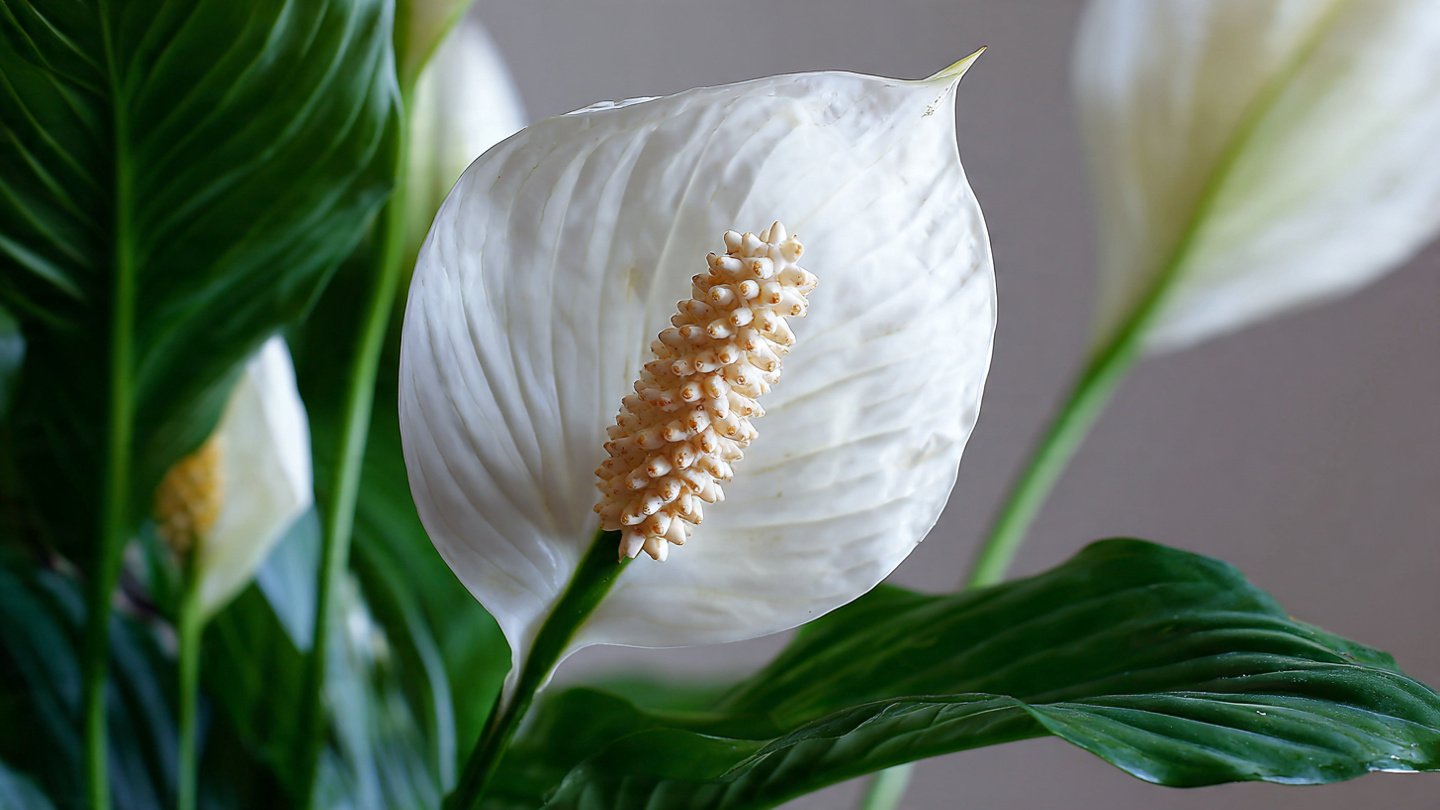
Peace lilies (Spathiphyllum) are among the most popular houseplants due to their lush green foliage and striking white blooms. However, even healthy-looking plants can sometimes fail to flower or begin showing signs of stress such as drooping leaves, yellowing, or wilting. Reviving a peace lily and encouraging it to bloom again is possible with the right care, attention, and understanding of its needs.
This guide reveals the secrets to restoring your peace lily’s health, fostering strong growth, and bringing back those beautiful white flowers.
Understanding Peace Lily Needs
Before you can revive your plant, it’s important to understand what peace lilies require to thrive:
- Light: Peace lilies prefer bright, indirect light. Too little light prevents blooms, while direct sunlight can scorch leaves.
- Water: They enjoy evenly moist soil but are sensitive to overwatering, which can lead to root rot.
- Humidity: These plants thrive in humid environments; low humidity may cause brown leaf edges.
- Temperature: Ideal temperatures range from 18°C to 26°C. They don’t tolerate cold drafts.
- Nutrients: While not heavy feeders, peace lilies benefit from occasional fertilization to encourage blooms.
A balance of these conditions is essential for leaf health and flower production.
Identifying Common Problems
Recognizing the issues your peace lily faces is the first step in reviving it. Common signs include:
- Drooping leaves: Usually a sign of underwatering, overwatering, or stress from temperature changes.
- Yellow leaves: Often caused by overwatering, poor drainage, or nutrient deficiencies.
- No blooms: Can result from insufficient light, aging plants, or lack of nutrients.
- Brown leaf tips: Usually due to low humidity, salt buildup, or inconsistent watering.
Correctly identifying the problem allows you to take the appropriate corrective measures.
Step 1: Check the Roots and Repot if Necessary
Healthy roots are key to a thriving peace lily. Signs of root problems include:
- Mushy or rotten roots (overwatering)
- Roots circling tightly around the pot (root-bound)
- Dry, brittle roots (underwatering)
Repotting Steps:
- Remove the plant gently from its pot.
- Inspect the roots and trim away any dead or rotten sections using sterilized scissors.
- Use fresh, well-draining potting mix enriched with peat or coco peat for moisture retention.
- Select a pot with proper drainage holes and slightly larger than the previous one.
- Place the plant in the new soil, water lightly, and allow it to adjust gradually.
Repotting refreshes nutrients and stimulates growth, setting the stage for blooms.
Step 2: Optimize Watering Habits
Watering is the most common reason peace lilies struggle. Follow these guidelines:
- Keep the soil consistently moist but not soggy.
- Water thoroughly when the top 2–3 cm of soil feels dry.
- Avoid letting water sit in the saucer for long periods to prevent root rot.
- In dry indoor environments, mist the leaves regularly to boost humidity.
Proper watering restores leaf turgor, prevents yellowing, and supports flower production.
Step 3: Provide Adequate Light
Insufficient light is the main reason peace lilies fail to bloom. To encourage flowers:
- Place the plant near a bright window with filtered sunlight.
- Avoid direct sun, which can burn leaves.
- Rotate the plant every few weeks to ensure even light exposure.
- In low-light conditions, consider using a grow light for 8–10 hours daily.
Bright, indirect light provides the energy the plant needs to produce buds.
Step 4: Fertilize for Flowering
Fertilization is essential for bloom encouragement:
- Use a balanced, water-soluble houseplant fertilizer (e.g., 20-20-20) or one formulated for flowering plants.
- Fertilize every 6–8 weeks during the growing season (spring to early fall).
- Avoid over-fertilizing, which can burn roots and cause leaf damage.
- A gentle foliar feed can also stimulate growth and flowering.
Regular feeding supplies the nutrients needed to transition energy from leaf production to flowers.
Step 5: Pruning and Cleaning
Pruning old leaves and spent flowers improves overall plant health:
- Remove yellow or brown leaves at the base to prevent disease.
- Trim spent flower stalks to redirect energy to new buds.
- Wipe leaves with a damp cloth to remove dust, which helps the plant absorb light efficiently.
Healthy, well-maintained foliage encourages the plant to focus on flowering.
Step 6: Maintain Optimal Humidity and Temperature
Peace lilies are tropical plants and respond positively to warm, humid environments:
- Keep the plant in temperatures between 18–26°C.
- Avoid cold drafts, air conditioners, or heating vents.
- Increase humidity with a pebble tray, indoor humidifier, or frequent misting.
- Grouping plants together can also raise local humidity.
Consistent warmth and moisture create favorable conditions for flower production.
Step 7: Patience and Seasonal Awareness
Even with perfect care, peace lilies bloom naturally during certain periods. Blooming is influenced by:
- Seasonal changes: Many peace lilies flower in late spring to summer.
- Plant maturity: Young plants may focus on leaf growth for 1–2 years before flowering.
- Recovery time: Reviving a stressed plant may take several weeks before new blooms appear.
Patience is key. By maintaining optimal care, you encourage the plant to allocate energy to flower production over time.
Additional Tips to Encourage Blooms
- Avoid over-fertilization with nitrogen: Excess nitrogen promotes leaf growth at the expense of flowers.
- Use a slightly larger pot: Crowded roots can stress the plant and prevent flowering.
- Provide gentle indirect light stress: Moving the plant closer to brighter light can trigger flowering.
- Check for pests: Aphids, mealybugs, or spider mites can reduce vigor and flowering; treat promptly with neem oil or insecticidal soap.
These small adjustments often make the difference between a leafy houseplant and a flowering showpiece.
Benefits of Reviving a Peace Lily
Successfully reviving a peace lily and encouraging blooms offers several advantages:
- Aesthetic beauty: White blooms contrast beautifully with deep green leaves.
- Improved indoor air quality: Peace lilies are known for filtering toxins like formaldehyde and benzene.
- Psychological benefits: Caring for and watching a plant recover can reduce stress and promote a sense of achievement.
- Long-term plant health: Revived plants are stronger and more resilient to environmental stress.
Investing time in plant recovery pays off in both visual appeal and indoor well-being.
Final Thoughts
Reviving your peace lily and encouraging blooms again is a combination of observation, patience, and correct care. By assessing the plant’s health, optimizing light and water, repotting if necessary, fertilizing properly, and maintaining humidity and temperature, you create the ideal environment for your plant to flourish.
Peace lilies respond well to attentive care and, when restored to health, reward gardeners with lush foliage and striking white flowers that enhance any indoor space. Even beginners can successfully revive a struggling plant with consistent effort and by following these proven techniques.
By understanding your plant’s needs, practicing proper maintenance, and exercising patience, your peace lily can bloom again, bringing life, elegance, and freshness to your home for many years.