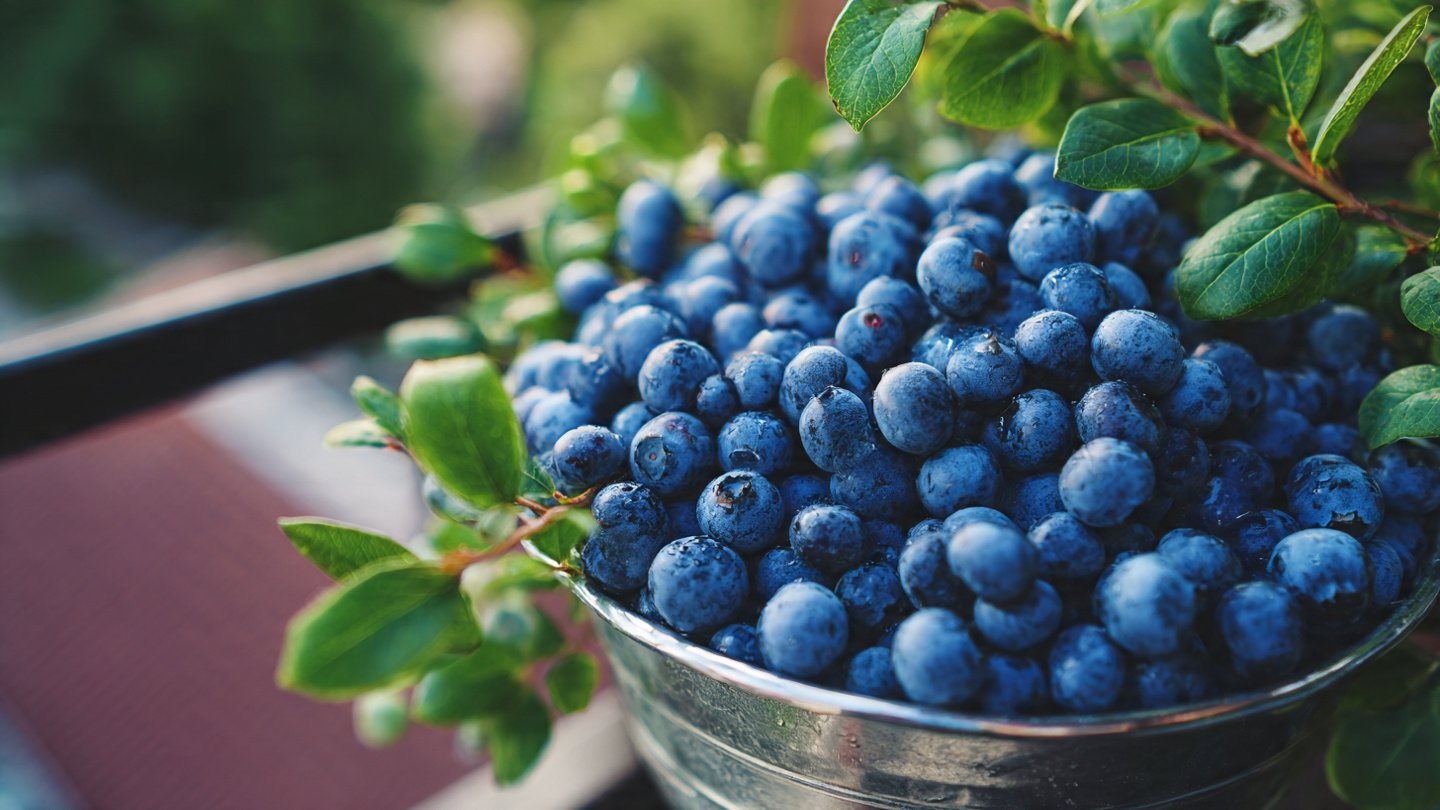
Growing your own fruit at home is one of the most satisfying gardening experiences, and blueberries are among the best fruits you can grow—even in small spaces. With their compact growth habit, attractive foliage, and delicious, nutrient-rich berries, blueberry plants are perfectly suited for balcony gardening. You don’t need a backyard or large garden to enjoy a fresh harvest; all you need is the right container, proper care, and a sunny balcony.
This detailed guide will help you discover the joys of growing blueberries on your balcony, from choosing the right variety to harvesting sweet, homegrown berries year after year.
Why Blueberries Are Ideal for Balcony Gardening
Blueberries are naturally well-suited for container growing. Their shallow root systems adapt easily to pots, and many varieties stay compact while producing generous yields. Beyond fruit, blueberry plants are also ornamental—featuring delicate spring flowers, glossy green summer leaves, and stunning red or orange foliage in cooler seasons.
Key benefits of growing blueberries on a balcony include:
- Efficient use of limited space
- Easy control of soil conditions
- Fewer pest problems compared to ground planting
- Fresh, chemical-free fruit at home
With proper care, a single plant can produce berries for many years.
Choosing the Right Blueberry Variety
Selecting the right variety is crucial for success in containers. Some blueberry types grow too large for balconies, while others are perfect for pots.
Best choices for balcony growing include:
- Dwarf or compact blueberry varieties
- Low-chill varieties for warmer climates
- Self-pollinating varieties (though multiple plants improve yield)
If space allows, growing two different varieties can increase fruit production through better pollination.
Selecting the Right Container
Blueberries need space for their roots to spread, even in containers. Choose a pot that is at least 12–16 inches deep and wide. Larger containers retain moisture better and support healthier growth.
Container tips:
- Ensure drainage holes at the bottom
- Use ceramic, plastic, or fabric pots
- Avoid very small or shallow containers
As the plant matures, you may need to upgrade to a larger pot every few years.
The Importance of Acidic Soil
Soil acidity is the most important factor in growing blueberries successfully. Blueberries thrive in acidic soil with a pH between 4.5 and 5.5. Regular garden soil is usually too alkaline, so special preparation is required.
Ideal soil mix for blueberries:
- Coco peat or peat moss
- Pine bark or composted pine needles
- A small amount of sand or perlite for drainage
Avoid adding regular compost or manure that can raise soil pH. Periodically checking soil acidity helps maintain optimal conditions.
Finding the Perfect Spot on Your Balcony
Blueberries need plenty of sunlight to produce sweet berries. Place your pots where they receive at least 6 hours of direct sunlight daily. Morning sunlight is ideal, especially in hot climates.
If your balcony gets strong afternoon sun:
- Provide light shade during peak heat
- Use reflective surfaces carefully to avoid overheating
Good air circulation also helps prevent fungal problems.
Watering Blueberries Correctly
Blueberry plants have fine roots that dry out quickly, making consistent watering essential. However, they do not tolerate waterlogged soil.
Watering guidelines:
- Keep soil evenly moist, not soggy
- Water deeply when the top layer feels dry
- Use rainwater if possible, as it is naturally slightly acidic
Mulching the soil surface with pine needles or dry leaves helps retain moisture and maintain acidity.
Feeding for Healthy Growth and Fruit
Blueberries are light feeders but require specific nutrients. Use fertilizers designed for acid-loving plants.
Feeding schedule:
- Apply organic fertilizer once every 4–6 weeks during the growing season
- Avoid overfeeding, especially with nitrogen
- Stop fertilizing during dormancy
Balanced nutrition encourages strong growth, better flowering, and improved fruit quality.
Pruning and Maintenance
Pruning keeps blueberry plants productive and compact—ideal for balconies. In the first year, focus on plant establishment rather than fruiting.
Pruning tips:
- Remove weak or damaged branches
- Trim overcrowded growth to improve airflow
- Prune lightly after harvest or during dormancy
Removing old, unproductive branches encourages new growth that produces better fruit.
Pollination and Flowering
Blueberry plants produce small, bell-shaped flowers that attract pollinators. On balconies, natural pollination may be limited.
To improve fruit set:
- Grow more than one variety if space allows
- Gently shake plants during flowering
- Encourage pollinators with nearby flowering plants
Even a single well-pollinated plant can produce a generous harvest.
Common Problems and Easy Solutions
Balcony-grown blueberries may face a few challenges, but most are easy to manage.
Common issues include:
- Yellow leaves: Often caused by high soil pH
- Small berries: Insufficient sunlight or nutrients
- Dry leaf edges: Inconsistent watering
Regular observation and small adjustments keep plants healthy and productive.
Harvesting Your Homegrown Blueberries
Blueberries are ready to harvest when they turn deep blue and easily detach from the stem. Berries continue to sweeten a few days after turning blue, so patience pays off.
Harvest tips:
- Pick berries gently by hand
- Harvest every few days as berries ripen
- Enjoy fresh or store in the refrigerator
Homegrown blueberries are often sweeter and more flavorful than store-bought ones.
The Long-Term Joy of Balcony Blueberry Growing
One of the greatest joys of growing blueberries on your balcony is watching the plant mature and improve each year. With proper care, blueberry plants can remain productive for over a decade. They offer beauty, seasonal interest, and a reliable supply of healthy fruit—all within arm’s reach of your home.
Final Thoughts
Growing blueberries on your balcony proves that limited space doesn’t limit your gardening dreams. With the right container, acidic soil, adequate sunlight, and consistent care, you can enjoy a thriving blueberry plant and a delicious harvest right at home.
Whether you’re a beginner gardener or an urban plant enthusiast, balcony blueberry growing is a rewarding journey—bringing fresh flavors, greenery, and the simple joy of homegrown fruit into your everyday life.