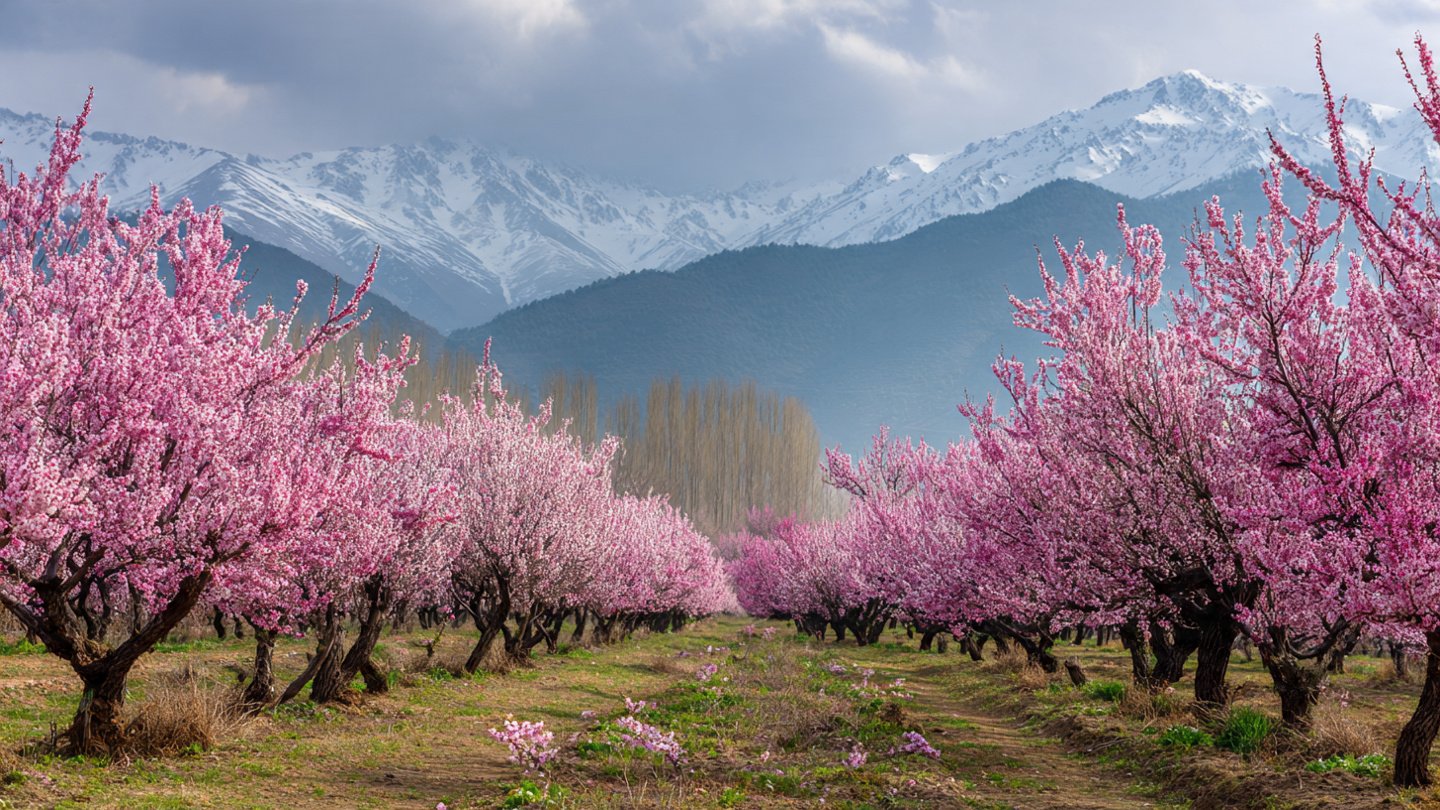
Apricots are beloved for their sweet, juicy fruit and vibrant blossoms that herald the arrival of spring. While they thrive in warm, temperate climates, growing apricot trees in northern, cooler regions can present significant challenges. Late frosts, short growing seasons, and cold winters can hinder flowering, fruit set, and even tree survival. However, with careful planning and proven techniques, gardeners in northern climates can successfully cultivate apricot trees and enjoy a bountiful harvest.
This guide explores the best strategies for growing apricot trees in challenging northern climates, covering site selection, variety choice, soil preparation, planting, pruning, frost protection, and ongoing care. By following these practices, even beginners can grow healthy, productive apricot trees in less-than-ideal conditions.
Why Growing Apricot Trees in Northern Climates Is Challenging
Apricot trees are naturally adapted to mild winters and long growing seasons. In northern climates, several factors can make cultivation difficult:
- Late Spring Frosts – Apricot blossoms are extremely sensitive to frost, and a cold snap during flowering can destroy the crop.
- Short Growing Season – Fruit requires warm, sunny days to fully ripen; cooler temperatures slow development.
- Winter Damage – Harsh winters can damage buds or even kill young trees if not properly protected.
- Disease Pressure – Wet springs and cool, damp conditions encourage fungal diseases such as brown rot and bacterial canker.
Despite these challenges, northern gardeners can achieve success by using specific techniques tailored to these environmental constraints.
Step 1: Selecting the Right Apricot Variety
Choosing a variety suited to northern climates is the first step toward success:
- Cold-Hardy Varieties: Some apricot cultivars have greater frost resistance and shorter maturation periods. Examples include:
- ‘Moorpark’ – Hardy, early-flowering, and flavorful fruit.
- ‘Goldcot’ – Cold-tolerant and produces medium-sized, sweet apricots.
- ‘Hargrand’ – Early-maturing variety suitable for cooler climates.
- Self-Fertile vs. Pollination: Many apricots are self-fertile, but planting two compatible varieties can increase fruit set.
Selecting the right variety ensures that the tree can withstand cold conditions while still producing a harvestable crop.
Step 2: Choosing the Ideal Planting Site
Site selection is critical for apricot trees in northern climates:
- Sunlight: Choose a location that receives full sun (6–8 hours daily) to maximize warmth and photosynthesis.
- Wind Protection: Plant near a fence, wall, or hedgerow to shield the tree from cold winds.
- Slope: A south-facing slope is ideal, as it allows cold air to drain away from the tree and exposes it to more sunlight.
- Soil Drainage: Apricots dislike waterlogged soils; raised beds or mounded soil can improve drainage.
The right site reduces frost risk, enhances warmth, and supports healthy root and canopy development.
Step 3: Soil Preparation
Healthy soil is the foundation of a strong apricot tree:
- pH Level: Apricots prefer slightly acidic to neutral soil (pH 6.0–7.0).
- Organic Matter: Incorporate compost or well-rotted manure to enrich the soil with nutrients and improve drainage.
- Soil Testing: Consider a soil test to identify deficiencies and amend with necessary nutrients, such as phosphorus and potassium for root and fruit development.
- Raised Beds: In areas with heavy clay or poorly drained soils, planting on a raised mound helps prevent root rot.
Proper soil preparation ensures vigorous growth, early fruiting, and resilience against cold stress.
Step 4: Planting Apricot Trees
Planting correctly sets the stage for long-term health:
- Dig a hole twice as wide and slightly deeper than the root ball.
- Place the tree in the hole, ensuring the graft union is a few inches above soil level.
- Backfill with amended soil and gently firm to eliminate air pockets.
- Water thoroughly to settle the soil and support root establishment.
- Apply a 2–3 inch layer of mulch around the base to conserve moisture and regulate soil temperature.
- Spacing: Plant trees at least 15–20 feet apart to allow air circulation and prevent disease.
Correct planting maximizes root development, encourages strong growth, and reduces frost vulnerability.
Step 5: Pruning for Cold Hardiness and Productivity
Pruning is essential for shaping the tree, encouraging airflow, and managing cold exposure:
- Dormant Pruning: Conduct pruning in late winter while the tree is dormant to remove dead, diseased, or crossing branches.
- Open-Center Pruning: Create an open canopy to allow sunlight penetration, reduce disease risk, and improve frost circulation around flowers.
- Summer Pruning: Remove vigorous water sprouts and suckers to direct energy into fruiting branches.
- Avoid Over-Pruning: Excessive pruning can stimulate late growth that is vulnerable to frost.
Proper pruning balances tree size, fruit production, and frost resilience, especially in northern climates.
Step 6: Frost Protection Techniques
Frost is the biggest threat to apricot flowers in northern regions. Use these methods to protect blossoms:
- Site Selection: Plant on elevated or south-facing areas to minimize frost exposure.
- Row Covers or Frost Cloths: Cover trees during late spring cold snaps to prevent blossom damage.
- Wind Machines or Fans: Gently circulate warmer air around the orchard to reduce frost accumulation.
- Water Sprays: Lightly misting trees can create a protective ice layer that insulates blossoms.
- Mulching: Mulch around the base to protect shallow roots from frost heaving.
Combining multiple frost protection strategies significantly increases the likelihood of a successful fruit set.
Step 7: Watering and Moisture Management
Consistent watering is critical for northern apricots, which can experience erratic spring rainfall:
- Young Trees: Water weekly to establish deep roots.
- Mature Trees: Water during dry spells, especially during flowering and fruit set.
- Avoid Waterlogging: Excess moisture in cold soils can lead to root rot and fungal diseases.
- Drip Irrigation: Ideal for northern climates, delivering water directly to the root zone and reducing wet foliage.
Proper watering supports fruit development and ensures the tree remains resilient against environmental stress.
Step 8: Fertilization for Healthy Growth
Apricot trees require balanced nutrition to thrive:
- Spring Fertilization: Apply a balanced fertilizer (NPK 10:10:10) before bud break to support early growth.
- Summer Fertilization: Use potassium-rich fertilizers to promote flower and fruit development.
- Organic Options: Compost, well-rotted manure, or liquid seaweed extract provides steady nutrition without overstimulating growth.
- Avoid Late-Season Fertilization: Nitrogen applied late can stimulate tender growth that is vulnerable to winter frost.
Consistent, well-timed fertilization maximizes fruit size, quality, and tree vigor.
Step 9: Pest and Disease Management
Northern climates can increase humidity, which favors certain diseases:
- Brown Rot: A fungal infection that affects blossoms and fruit. Remove infected parts promptly and apply copper-based fungicides if needed.
- Bacterial Canker: Prune infected branches and maintain tree hygiene.
- Aphids and Mites: Spray with insecticidal soap or neem oil to prevent infestations.
- Monitoring: Regular inspection helps detect problems early and prevents severe losses.
Healthy trees with proper airflow, sunlight, and care are less susceptible to pests and diseases.
Step 10: Harvesting Apricots
Apricots are ready to harvest when:
- Fruits are fully colored and slightly soft to the touch.
- They detach easily with a gentle twist or tug.
- Harvesting promptly prevents over-ripening and bird predation.
In northern climates, choosing early-maturing varieties ensures that fruit ripens before the onset of cold weather.
Additional Tips for Northern Apricot Success
- Use Dwarf or Semi-Dwarf Rootstocks: These are easier to manage and protect from frost.
- Row Orientation: Plant trees in rows oriented north-south to maximize sunlight exposure.
- Windbreaks: Use hedges, fences, or walls to reduce wind damage and frost exposure.
- Container Growing: Young apricot trees in large containers can be moved to protected areas during severe frost.
- Patience: Apricot trees may take 2–4 years to produce substantial fruit, especially in cooler climates.
Adopting these practices increases your chances of enjoying healthy apricot trees and reliable harvests.
Conclusion
Growing apricot trees in northern climates is challenging but entirely possible with the right techniques. By carefully selecting cold-hardy varieties, choosing suitable planting sites, preparing fertile soil, practicing proper pruning, and using frost protection methods, gardeners can successfully cultivate healthy, productive apricot trees.
While patience and vigilance are essential, the rewards of growing your own apricots—juicy, fragrant fruit and stunning spring blossoms—are well worth the effort. With consistent care, even in challenging northern conditions, your apricot trees can thrive and provide bountiful harvests for years to come.
Whether you are a beginner or an experienced gardener, following these strategies ensures that northern apricot cultivation is not only possible but also highly rewarding.