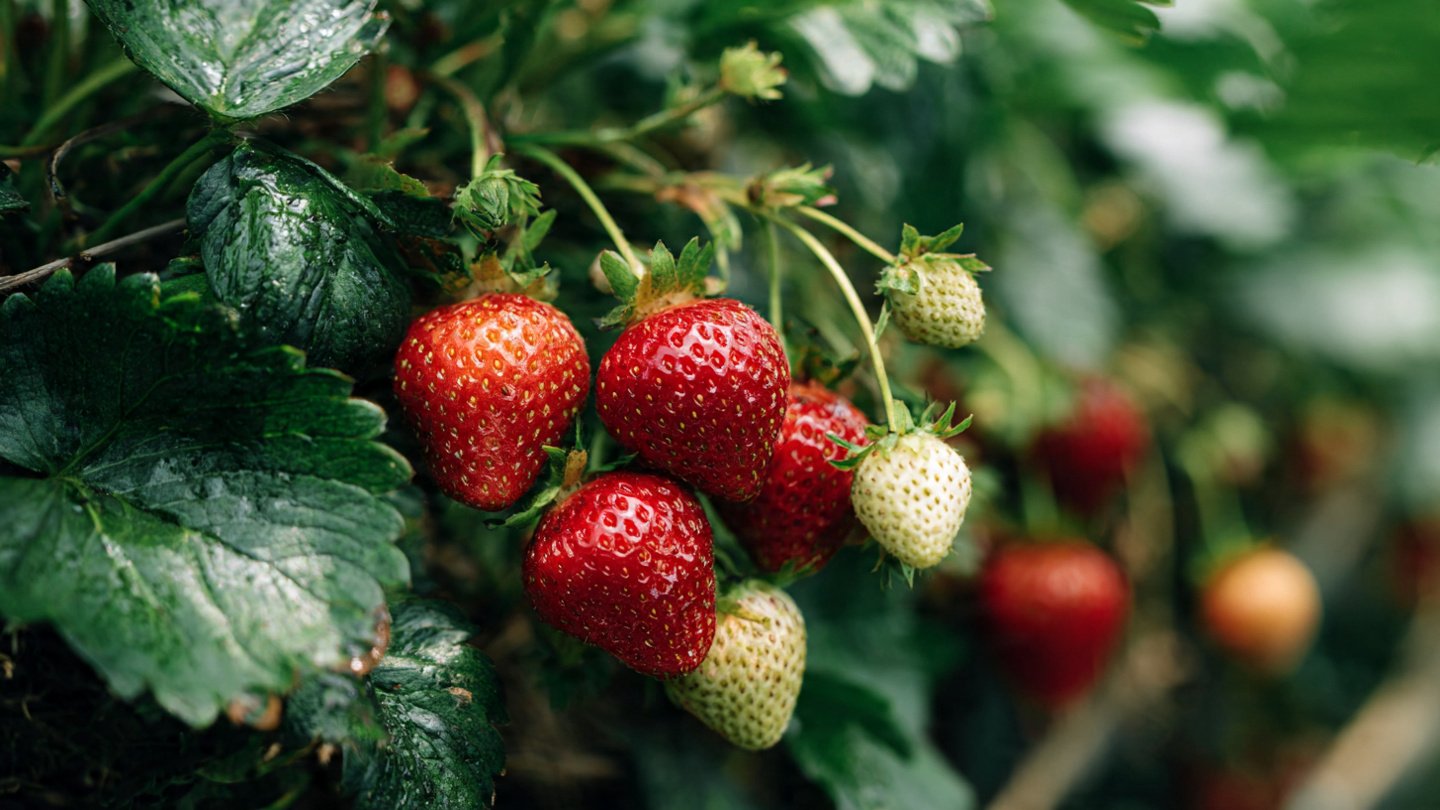
Strawberries are one of the most rewarding fruits to grow at home, offering sweet, juicy berries that enhance desserts, salads, and smoothies. While many gardeners enjoy a single season of harvest, the secret to consistent, thriving strawberry crops lies in crown regrowth techniques. By understanding how to care for the plant’s crown—the central part from which leaves, flowers, and runners emerge—you can rejuvenate strawberry plants year after year, ensuring maximum fruit production and healthier plants. This guide provides an in-depth, practical approach to strawberry crown regrowth, suitable for beginners and experienced gardeners alike.
What Is the Strawberry Crown?
The strawberry crown is the small, central, leafy part of the plant where stems, roots, and flowers originate. It sits just above the roots and below the first set of leaves. A healthy crown is crucial because it:
- Produces new leaves for photosynthesis
- Initiates flower buds for fruiting
- Generates runners for new plant propagation
- Supports overall plant vigor
Neglecting crown care can lead to declining yields, weak growth, or plant death. Understanding and nurturing the crown is essential for long-term strawberry success.
Why Focus on Crown Regrowth?
Focusing on crown regrowth offers multiple benefits:
- Year-After-Year Harvests: Proper care rejuvenates plants, extending their productive lifespan.
- Stronger Plants: Healthy crowns produce robust roots, leaves, and flowers.
- Higher Yields: Well-maintained crowns lead to larger, sweeter strawberries.
- Disease Prevention: Strong crowns resist common fungal infections and pests more effectively.
- Efficient Space Use: Regrown crowns reduce the need for frequent replanting, saving time and garden space.
Investing in crown care maximizes the productivity and longevity of strawberry plants.
Choosing the Right Strawberry Varieties
Not all strawberries respond equally to crown regrowth. Some varieties are better suited for multiple seasons:
- Day-Neutral Varieties: Produce fruit continuously throughout the growing season, ideal for repeated crown regeneration. Examples: Albion, Seascape, Evie-2.
- Everbearing Varieties: Offer two to three harvest cycles per year, giving opportunities for crown rejuvenation. Examples: Ozark Beauty, Quinault.
- June-Bearing Varieties: Primarily produce a single harvest, but crowns can still be maintained for next year’s yield. Examples: Earliglow, Chandler.
Selecting the right variety ensures your efforts in crown management are effective and productive.
Preparing Your Strawberries for Crown Regrowth
To promote healthy crown development, preparation before and after harvest is key:
- Remove Old Fruit: Once berries are harvested, remove any remaining fruit to reduce stress on the plant.
- Prune Dead Leaves: Cut back yellowing, damaged, or diseased leaves to encourage new growth.
- Control Runners: Depending on your goal, either allow runners to propagate new plants or pinch them off to direct energy back to the crown.
- Fertilize: Apply a balanced fertilizer or compost around the base to replenish nutrients and support crown development.
Proper preparation sets the stage for strong, regenerative growth.
Watering and Soil Management
Healthy crowns require consistent water and nutrient support:
- Soil: Strawberries prefer well-draining, slightly acidic soil (pH 5.5–6.5).
- Watering: Keep soil consistently moist but not waterlogged. Water at the base to prevent leaf diseases.
- Mulching: Use straw, pine needles, or organic mulch around crowns to retain moisture, reduce weeds, and regulate soil temperature.
- Aeration: Occasionally loosen the soil gently around crowns to improve oxygen flow to the roots.
Moisture and nutrient management are critical for sustaining crown vitality and fruit production.
Techniques for Encouraging Crown Regrowth
Several techniques can rejuvenate strawberry crowns for continued harvests:
1. Pinching Runners
- Removing excess runners directs the plant’s energy to crown growth instead of vegetative spread.
- Retain only a few strong runners if you want new plants.
2. Fertilization and Feeding
- Apply a high-potassium fertilizer during early spring and after harvest to encourage strong crown and root growth.
- Organic compost or liquid seaweed extracts are excellent for stimulating regenerative growth.
3. Mulching and Winter Protection
- Protect crowns during winter with thick mulch to prevent frost damage.
- In colder climates, consider row covers or moving container plants indoors temporarily.
4. Pinching Old Leaves
- Remove older, less productive leaves to stimulate new leaf growth from the crown.
- This encourages stronger flower and runner production in the next cycle.
5. Dividing Crowns
- After two to three years, crowns may become crowded. Divide and replant to rejuvenate productivity.
- Ensure each division has roots and a healthy crown to establish successfully.
These methods maintain strong, productive plants capable of producing berries season after season.
Pest and Disease Management
Strawberry crowns can be vulnerable to pests and diseases if not properly maintained:
- Common Pests: Aphids, spider mites, and slugs may damage leaves and crowns. Use organic pest controls like neem oil or diatomaceous earth.
- Fungal Issues: Powdery mildew, leaf spot, or crown rot can occur in wet conditions. Maintain good airflow, prune dead leaves, and avoid overhead watering.
- Preventive Measures: Inspect crowns regularly, remove affected foliage, and rotate plants in beds or containers to reduce disease buildup.
Vigilant pest and disease management ensures the crown remains strong for regrowth and fruiting.
Harvesting and Post-Harvest Care
Proper harvesting supports ongoing crown health:
- Pick berries when fully ripe but handle gently to avoid crown damage.
- After harvest, remove old leaves and mulch the base to conserve moisture.
- Continue watering and feeding to maintain energy reserves in the crown for the next season.
Correct post-harvest care is essential for year-after-year productivity.
Advantages of Strawberry Crown Regrowth
- Longevity: Extend the life of your strawberry plants beyond a single season.
- Higher Yields: Regrown crowns support larger, healthier fruit production.
- Cost-Effective: Reduce the need to buy new plants every year.
- Sustainable Gardening: Minimizes waste and promotes natural plant regeneration.
- Continuous Enjoyment: Enjoy a steady supply of strawberries with proper management.
Caring for the crown transforms a single season harvest into multiple years of delicious berries.
Conclusion
Mastering strawberry crown regrowth is a simple yet powerful strategy for achieving healthy, high-yielding plants year after year. By selecting the right varieties, preparing soil and crowns carefully, maintaining proper watering and fertilization, and implementing pruning and runner management techniques, gardeners can enjoy continuous strawberry harvests. Regular pest and disease monitoring, winter protection, and post-harvest care further ensure plant longevity and productivity.
Whether you are a beginner or an experienced gardener, applying these crown regrowth techniques allows you to maximize the potential of your strawberry plants. With consistent care, you can enjoy sweet, homegrown berries season after season, creating a sustainable, productive, and rewarding garden that thrives year after year.