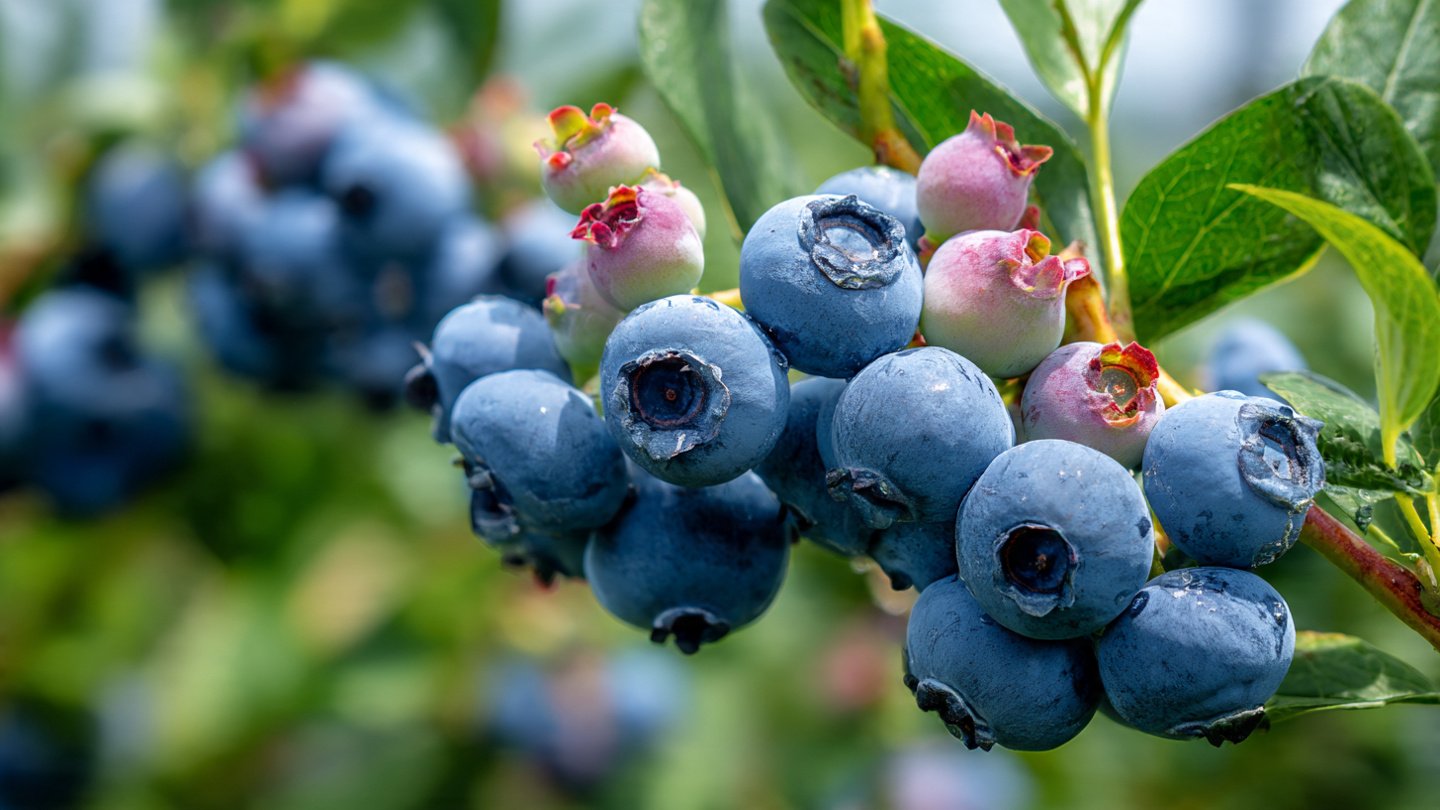
Blueberries are among the most rewarding fruits to grow at home. They are rich in antioxidants, delicious fresh or preserved, and highly productive when given the right care. However, many gardeners struggle with low yields, poor fruit size, or plants that grow well but fail to fruit heavily. The good news is that blueberries respond exceptionally well to a few proven fruiting hacks. By understanding their specific needs and applying targeted techniques, you can dramatically boost your blueberry harvest year after year.
This ultimate guide explores practical, science-backed methods to maximize blueberry fruit production, whether you grow them in garden beds, raised beds, or containers.
Understanding Blueberry Fruiting Basics
To boost your blueberry harvest, it helps to understand how the plant produces fruit. Blueberries fruit on one-year-old wood, meaning the branches that grew last season will produce flowers and berries this year. Healthy vegetative growth one year leads directly to heavy fruiting the next.
Blueberries also have shallow root systems and very specific soil requirements. When these needs are met consistently, the plants reward growers with reliable, abundant harvests.
Choosing the Right Blueberry Variety
Not all blueberry varieties perform the same in every climate. Some are bred for cooler regions, while others thrive in warm or subtropical areas. Selecting a variety adapted to your local conditions is the first and most important step toward high yields.
Planting more than one compatible variety improves cross-pollination, which often results in larger berries and heavier fruit sets. Even self-fertile varieties benefit from a pollination partner.
Soil Acidity: The Number One Fruiting Hack
Blueberries require acidic soil to absorb nutrients properly. This is one of the most overlooked reasons for poor fruiting. The ideal soil pH range is between 4.5 and 5.5. Outside this range, plants may grow leaves but fail to produce abundant fruit.
Use acidic amendments such as pine needles, peat moss, composted bark, or elemental sulfur to maintain proper pH. Regular soil testing ensures conditions stay optimal for fruit production.
Perfecting Sunlight Exposure
Blueberries need plenty of sunlight to produce flowers and ripen fruit. At least 6–8 hours of direct sun daily is ideal. Insufficient sunlight leads to weak flowering and smaller harvests.
In very hot climates, light afternoon shade can reduce plant stress, but full morning and midday sun are essential for strong fruit development.
Watering for Bigger and Sweeter Berries
Consistent moisture is critical for blueberry fruiting. Because the roots are shallow, blueberries are sensitive to both drought and waterlogging. Irregular watering often results in flower drop, small berries, or poor ripening.
Deep, regular watering keeps the soil evenly moist. Mulching with organic materials helps retain moisture, regulate soil temperature, and protect delicate roots. This simple step alone can significantly improve berry size and yield.
Feeding Blueberries the Right Way
Blueberries are light feeders but require the right nutrients at the right time. Excess fertilizer, especially nitrogen, can promote leaf growth at the expense of fruiting. The key is balance.
Apply an acid-loving plant fertilizer in early spring as buds begin to swell. A second light feeding after flowering supports fruit development. Organic options such as composted pine bark or cottonseed meal release nutrients slowly and safely.
Strategic Pruning for Maximum Fruiting
Pruning is one of the most powerful fruiting hacks for blueberries. Without pruning, plants become overcrowded, leading to smaller berries and reduced yields. Proper pruning redirects energy into productive branches.
Remove dead, weak, or crossing branches annually. Older canes that are more than five to six years old should be removed to encourage fresh, fruit-bearing growth. Aim for an open structure that allows sunlight and airflow to reach the center of the plant.
Boosting Pollination Naturally
Better pollination equals better harvests. Blueberry flowers rely heavily on pollinators such as bees. Encouraging pollinators in your garden is a natural and effective way to increase fruit set.
Plant flowering herbs and native plants nearby to attract beneficial insects. Avoid using chemical pesticides during flowering, as they can reduce pollinator activity and negatively affect fruit production.
Temperature Management and Frost Protection
Late frosts can damage blueberry flowers and drastically reduce yields. Protecting plants during cold snaps is an important fruiting strategy, especially in regions with unpredictable spring weather.
Cover plants with frost cloths or lightweight fabric during cold nights. For container-grown blueberries, moving pots to sheltered areas can prevent flower damage and preserve your harvest.
Container Growing Hacks for Higher Yields
Blueberries grow exceptionally well in containers when given the right conditions. Containers allow precise control over soil acidity, moisture, and nutrition—three key factors for fruiting success.
Choose large containers with excellent drainage and use a high-quality acidic potting mix. Container-grown blueberries often produce more consistent yields because their environment can be easily adjusted as needed.
Preventing Stress During Fruit Development
Stress during flowering and fruiting leads to poor harvests. Heat stress, drought, nutrient imbalances, and overcrowding all reduce berry production.
Provide shade during extreme heat, water consistently, and avoid heavy pruning during the fruiting season. Healthy, stress-free plants channel more energy into producing larger and sweeter berries.
Timing the Harvest Correctly
Harvesting blueberries at the right time improves both flavor and future production. Berries should be fully colored and easily detach from the plant when ripe. Rushing the harvest reduces sweetness and can weaken the plant.
Frequent harvesting encourages continued ripening and prevents overripe fruit from attracting pests.
Long-Term Care for Bigger Harvests Each Year
Blueberry plants increase productivity as they mature. Annual soil improvement, consistent pruning, and careful feeding create a strong foundation for long-term success.
Refreshing mulch yearly, monitoring soil pH, and replacing old canes ensure that each growing season is more productive than the last.
Final Thoughts
Boosting your blueberry harvest doesn’t require complicated techniques—just a deep understanding of the plant’s needs and a commitment to consistent care. By focusing on soil acidity, proper pruning, reliable watering, and smart feeding strategies, you can unlock the full fruiting potential of your blueberry plants. With these proven fruiting hacks, your garden can deliver heavier harvests, larger berries, and healthier plants for many years to come.