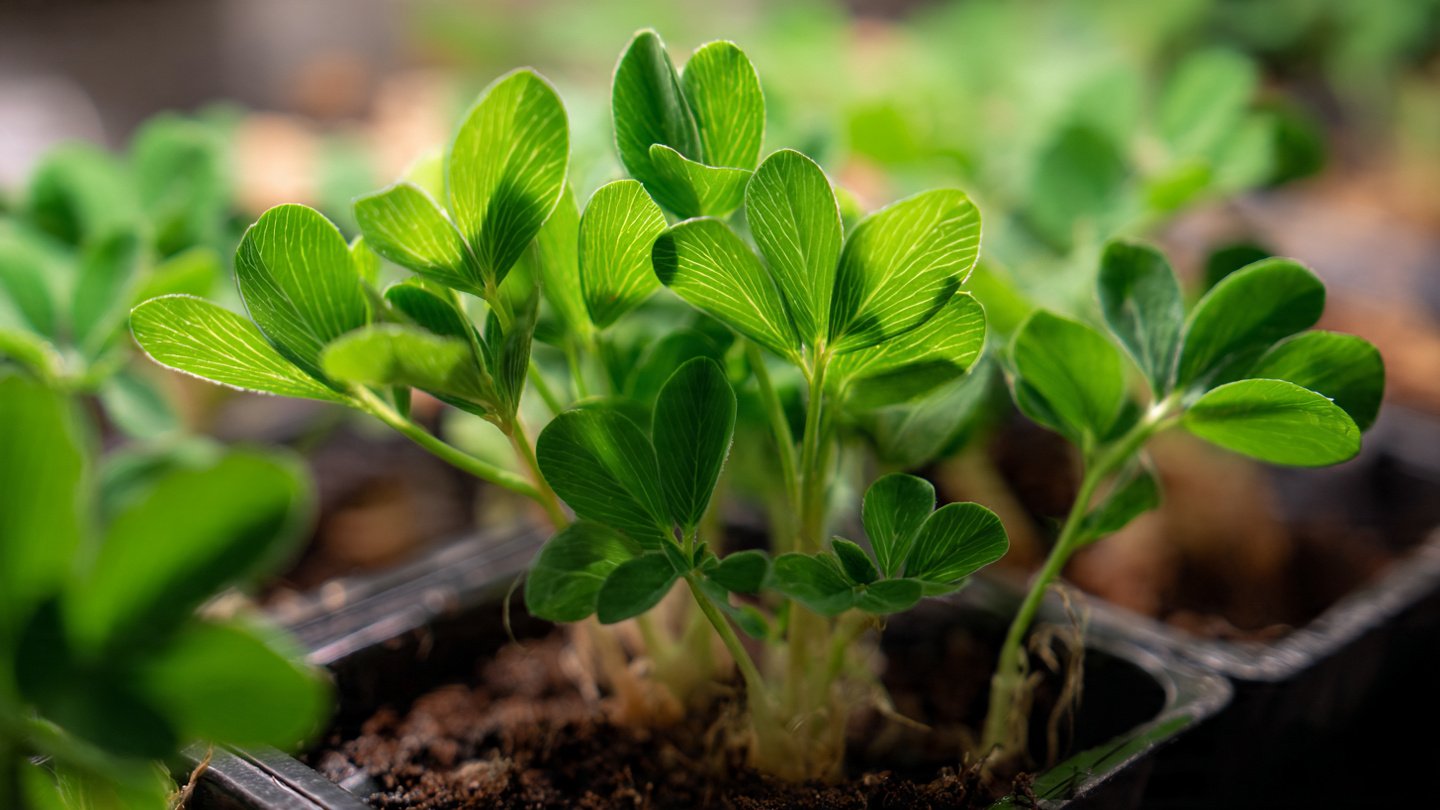
Fenugreek (Trigonella foenum-graecum) is a versatile herb with a rich history in culinary and medicinal use. Known for its nutty, slightly bitter flavor, fenugreek adds depth to curries, salads, teas, and even smoothies. Beyond its culinary appeal, fenugreek is celebrated for its nutritional benefits, including vitamins, minerals, and antioxidants that support digestion, blood sugar regulation, and overall health. While many gardeners grow fenugreek outdoors, an easy indoor cultivation method allows you to enjoy fresh, flavorful leaves all year round, regardless of season or climate. This guide provides a complete step-by-step approach to growing fenugreek indoors with minimal effort.
Why Grow Fenugreek Indoors?
Indoor cultivation offers numerous advantages, especially for a herb like fenugreek:
- Year-round availability: No more relying on store-bought leaves; fresh fenugreek is always on hand.
- Space-saving: Perfect for apartments, kitchens, or small living spaces.
- Controlled environment: Indoor growing reduces exposure to pests and harsh weather conditions.
- Nutrient-rich harvests: Leaves grown indoors in controlled soil are often healthier and more flavorful.
- Easy maintenance: Indoor growing allows precise control over water, light, and soil conditions.
For anyone who loves cooking with fresh herbs, indoor fenugreek is a game-changer.
Selecting the Right Container
Fenugreek grows best in shallow, wide containers, as its roots are relatively short and don’t require deep soil. Consider these container tips:
- Depth: 4–6 inches is sufficient for healthy root growth.
- Width: Wider containers allow multiple plants, maximizing your harvest.
- Material: Plastic, ceramic, or terracotta pots work well. Plastic is lightweight, while terracotta provides better aeration.
- Drainage: Ensure the container has holes at the bottom to prevent waterlogging.
Choosing the right container sets the foundation for a successful indoor fenugreek garden.
Choosing Quality Fenugreek Seeds
Select high-quality fenugreek seeds for optimal growth and flavor. Tips for seed selection:
- Choose fresh seeds from a reputable supplier. Old seeds may have reduced germination rates.
- Prefer organically grown seeds for healthier, chemical-free harvests.
- Look for uniform-sized seeds to ensure even germination.
Fenugreek seeds are small and easy to handle, making them perfect for indoor gardening beginners.
Preparing the Soil
Fenugreek thrives in light, well-draining soil. A suitable mix for indoor cultivation includes:
- 50% garden soil or potting mix
- 30% compost or organic manure
- 20% perlite or sand for aeration and drainage
The soil should be nutrient-rich but not overly dense. This ensures roots grow freely, and seedlings establish quickly.
Step-by-Step Planting Guide
Step 1: Soak the Seeds
- Soak fenugreek seeds in water for 6–8 hours before planting.
- This softens the seed coat, accelerates germination, and ensures uniform sprouting.
Step 2: Fill the Container
- Fill your container with prepared soil, leaving about an inch from the top for watering.
- Level the soil and gently pat it down.
Step 3: Sow the Seeds
- Spread the soaked seeds evenly across the soil surface.
- Cover lightly with 0.25–0.5 inch of soil or vermiculite.
- Press gently to ensure seed-to-soil contact.
Step 4: Watering
- Water gently to moisten the soil without washing away seeds.
- Maintain consistent moisture, as fenugreek seeds require damp conditions to germinate.
Providing Adequate Light
Light is crucial for indoor fenugreek growth:
- Sunlight: Place the container near a south-facing window for 4–6 hours of indirect sunlight.
- Artificial lighting: If natural light is insufficient, use LED grow lights for 12–14 hours per day.
- Rotate the container regularly to ensure even light exposure and prevent leaning seedlings.
Adequate light promotes strong, green, flavorful leaves.
Watering and Care
Fenugreek requires consistent moisture but not waterlogging:
- Water daily or every other day, depending on indoor humidity and temperature.
- Ensure the soil remains damp but not soggy.
- Avoid wetting the leaves directly to prevent fungal growth.
Additional care tips:
- Thin seedlings if overcrowded to 2–3 inches apart for optimal airflow.
- Regularly check for yellowing or wilting leaves and adjust water and light conditions.
Harvesting Fenugreek Leaves
One of the joys of indoor fenugreek is the quick and continuous harvest:
- Leaves are typically ready for the first harvest 2–3 weeks after sowing.
- Cut the top 2–3 inches of leaves with scissors, leaving the lower stems intact.
- Continue harvesting every 1–2 weeks to encourage new growth.
- Regular harvesting improves airflow and prevents legginess in plants.
Fenugreek leaves can also be partially harvested for microgreens, which are packed with concentrated flavor and nutrition.
Using Fenugreek in the Kitchen
Fresh fenugreek leaves elevate many dishes:
- Curries and stews: Add chopped leaves at the end for a burst of flavor.
- Salads and sandwiches: Use raw leaves for a nutty, aromatic touch.
- Teas and health drinks: Brew leaves for digestive and antioxidant benefits.
- Sprouts: Fenugreek seeds can also be sprouted and eaten raw or in sandwiches.
Growing fenugreek indoors ensures you always have fresh leaves at your fingertips.
Common Challenges and Solutions
Even indoor cultivation can present some issues:
- Poor germination: Ensure seeds are fresh and soaked before planting.
- Leggy growth: Caused by insufficient light. Move containers to brighter locations or supplement with grow lights.
- Yellow leaves: Usually a sign of nutrient deficiency; feed with liquid compost or organic fertilizer.
- Pests: Aphids may occasionally appear; use neem oil or gentle insecticidal sprays.
With proactive care, fenugreek grows easily indoors and thrives year-round.
Advantages of Indoor Fenugreek Gardening
- Continuous supply: Enjoy fresh leaves every week, even in winter.
- Space efficiency: Ideal for small kitchens or apartments.
- Cost-effective: Reuse containers and grow your own herbs instead of buying expensive fresh leaves.
- Nutrient-rich: Leaves grown in controlled soil are highly flavorful and nutritious.
- Easy maintenance: Minimal space, effort, and tools are needed.
Indoor cultivation makes fenugreek accessible for both novice and experienced gardeners.
Conclusion
Growing fenugreek indoors is an easy, efficient, and highly rewarding way to enjoy year-round freshness and flavor in your kitchen. By selecting quality seeds, preparing nutrient-rich soil, providing adequate light, and maintaining consistent care, you can harvest healthy, aromatic leaves throughout the year. This simple hack transforms even small indoor spaces into productive herb gardens, allowing you to enjoy fresh fenugreek at any time, right from your kitchen. Whether used in cooking, teas, or salads, homegrown fenugreek elevates your meals and brings the satisfaction of gardening indoors.