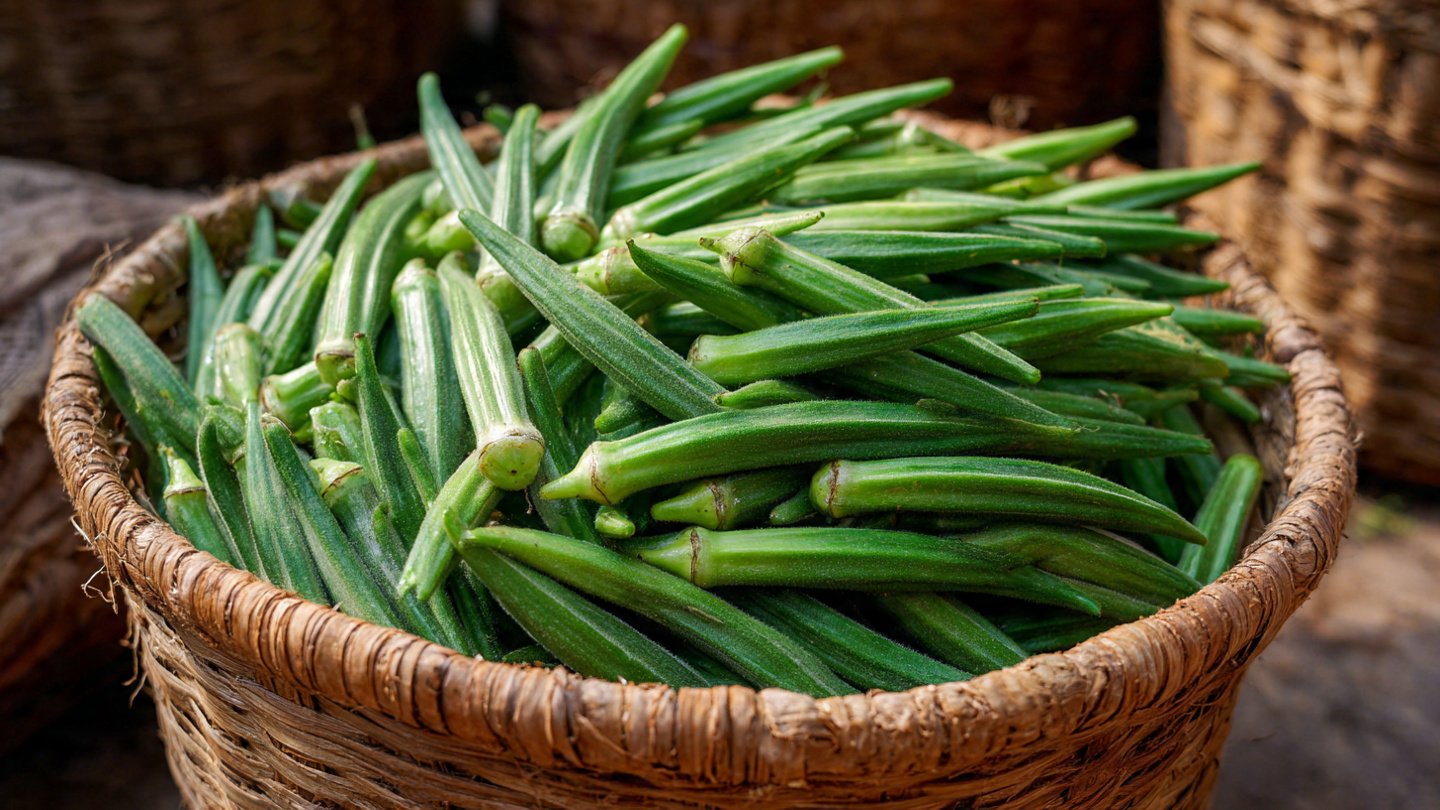
Bhindi, also known as okra or lady’s finger, is a favorite vegetable across many cuisines for its tender pods and rich nutritional profile. However, traditional bhindi often develops a fibrous texture when the pods mature, making them tough and less enjoyable to eat. For gardeners and home cooks seeking tender, fiber-free bhindi, there are innovative growing techniques that encourage soft, flavorful pods without compromising yield.
This guide explores simple, practical methods for growing bhindi with minimal fiber, helping you produce consistently tender, high-quality vegetables at home.
Understanding Bhindi and Its Fibrous Nature
The fibrous quality in bhindi pods comes from lignin and cellulose that naturally develop as the plant matures. While older pods are stronger and sometimes used for industrial purposes, tender young pods are preferred for cooking.
Factors that contribute to fibrous bhindi include:
- Delayed Harvesting: Older pods have more fiber.
- Improper Variety: Some traditional varieties are naturally more fibrous.
- Nutrient Imbalance: Excess nitrogen or poor soil health can promote rapid pod growth that increases fiber.
- Environmental Stress: Heat, water stress, or inconsistent care can trigger tough pod formation.
By addressing these factors, gardeners can reduce fiber content and grow soft, delicious bhindi consistently.
Choosing the Right Bhindi Variety
Variety selection is the first step in producing tender pods. Look for:
- Fiber-Free or Low-Fiber Varieties: Certain modern hybrid varieties are bred specifically for soft pods. Examples include Arka Anamika, Parbhani Kranti, and Baby Bhindi.
- Fast-Growing Types: Early-maturing varieties reduce the chance of fibrous pods by allowing harvest at the ideal stage.
- Dwarf or Compact Varieties: Suitable for container gardening and balconies while producing soft pods efficiently.
Selecting the right variety ensures a higher likelihood of fiber-free harvests from the start.
Soil Preparation for Tender Bhindi
Soil quality plays a critical role in pod texture. Bhindi prefers well-draining, nutrient-rich soil with a pH of 6.0–7.0. To prepare the soil:
- Organic Matter: Incorporate compost or well-rotted manure to provide balanced nutrients.
- Aeration: Mix in sand or perlite to ensure roots have oxygen and water drains properly.
- Balanced Fertilization: Avoid excess nitrogen, which encourages leafy growth at the expense of tender pods. Instead, focus on potassium and phosphorus, which promote flowering and pod development.
Proper soil preparation provides a strong foundation for fiber-free growth.
Planting Techniques
Plant bhindi in rows or containers spaced appropriately to encourage airflow and sunlight exposure:
- Seed Depth: Sow seeds 1 inch deep and cover lightly with soil.
- Spacing: Maintain 12–18 inches between plants to reduce overcrowding and stress.
- Warmth: Bhindi seeds germinate best at soil temperatures of 75–90°F. Pre-soaking seeds overnight can improve germination rates.
For container gardening, use pots at least 12 inches deep with good drainage to support root growth.
Watering for Fiber-Free Pods
Consistent watering is key to preventing tough pods:
- Regular Moisture: Keep the soil evenly moist, especially during flowering and pod development.
- Avoid Stress: Drought or sudden water fluctuations can trigger fibrous pod formation.
- Mulching: Apply organic mulch to retain soil moisture, reduce temperature fluctuations, and protect roots from stress.
Water management ensures the plant channels energy into tender pod production rather than fibrous tissue.
Innovative Techniques to Reduce Fiber
Several innovative practices can help gardeners produce fiber-free bhindi consistently:
- Frequent Harvesting: Pick pods when they are 3–5 inches long and still tender. Frequent harvesting prevents older, fibrous pods from forming and encourages the plant to produce more soft pods.
- Succession Planting: Plant seeds in intervals of 2–3 weeks to maintain a continuous supply of tender pods throughout the season.
- Pruning: Remove older leaves and side shoots to redirect energy to pod development.
- Shade Management: Partial shade during peak heat reduces stress and helps maintain soft texture.
- Balanced Nutrition: Foliar sprays of potassium and micronutrients such as calcium and magnesium strengthen plants and prevent fiber development without making pods tough.
These techniques work together to optimize plant health and pod tenderness.
Container Gardening for Fiber-Free Bhindi
Urban gardeners can successfully grow bhindi in containers using these tips:
- Choose Large Containers: At least 12–14 inches in diameter to support root systems.
- Drainage: Ensure proper drainage to prevent waterlogging, which can reduce pod quality.
- Soil Mix: Use a blend of compost, coco peat, and perlite for nutrient-rich, well-draining soil.
- Sunlight: Place containers in locations receiving at least 6–8 hours of sunlight daily.
Container gardening makes it easier to control water, soil nutrients, and microclimate, all of which contribute to tender, fiber-free pods.
Pest and Disease Management
Healthy plants produce softer pods. Common pests include aphids, mites, and caterpillars, while fungal diseases like powdery mildew can stress the plant.
- Regular Inspection: Check plants frequently for early signs of infestation.
- Natural Remedies: Neem oil, insecticidal soap, or companion planting with marigolds reduces pest activity.
- Airflow: Proper spacing and pruning improve ventilation, lowering disease risks.
Preventing stress ensures that energy is directed toward tender pod production rather than defensive fiber growth.
Harvesting Bhindi Properly
The timing of harvest is crucial for fiber-free pods:
- Length: Harvest when pods are 3–5 inches long; larger pods tend to be fibrous.
- Frequency: Harvest every 2–3 days during peak growth to maintain a continuous supply.
- Tools: Use scissors or garden shears to avoid damaging the plant while picking pods.
Prompt harvesting encourages new growth and ensures a longer season of tender bhindi.
Benefits of Fiber-Free Bhindi
Growing fiber-free bhindi provides several advantages:
- Tender and Delicious: Ideal for curries, stir-fries, and salads.
- Higher Yield: Frequent harvesting encourages continuous pod production.
- Ease of Cooking: No need to trim tough strings, saving time in meal preparation.
- Urban-Friendly: Techniques are suitable for balconies, patios, and small gardens.
By adopting these methods, gardeners can enjoy premium-quality bhindi with less effort.
Final Thoughts
Growing fiber-free bhindi is achievable for both home gardeners and urban growers by combining the right variety selection, soil preparation, watering, nutrition, and innovative practices. Frequent harvesting, pruning, and container management all contribute to tender, delicious pods that elevate any meal.
With attention to plant health, consistent care, and modern growing techniques, you can transform your balcony, terrace, or backyard into a productive bhindi garden. Fiber-free pods not only improve culinary quality but also encourage sustainable gardening practices by maximizing yield in limited spaces.
By following these proven methods, gardeners can enjoy a season-long harvest of soft, flavorful bhindi, ensuring both satisfaction in the kitchen and success in the garden.