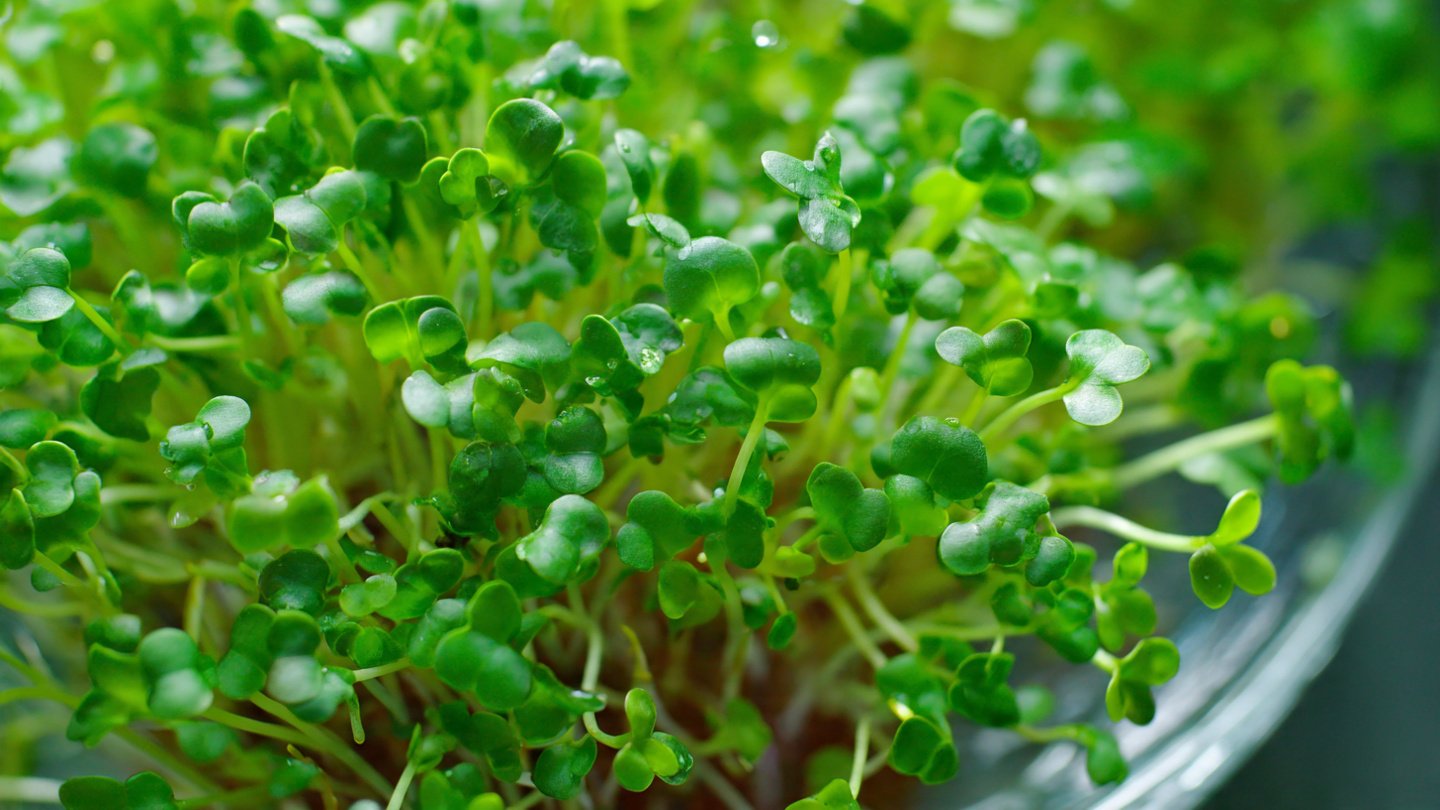
Coriander, also known as cilantro, is a beloved herb with a distinctive, zesty flavor that elevates everything from salads and soups to curries and smoothies. While many gardeners cultivate coriander in soil, an innovative and increasingly popular method is growing coriander microgreens in water, also called hydroponic microgreens. This soil-free technique allows you to enjoy fresh, nutrient-rich leaves year-round, even in small spaces like kitchens or balconies. By following the right steps, anyone can grow healthy, flavorful coriander microgreens at home, quickly and efficiently.
Why Grow Coriander Microgreens in Water?
Soilless cultivation of coriander microgreens offers several advantages:
- Space Efficiency: Ideal for urban apartments, small kitchens, or indoor gardening setups.
- Year-Round Harvests: Grow fresh microgreens regardless of season or outdoor conditions.
- Faster Growth: Hydroponic microgreens often grow faster than soil-grown ones, with harvests in 7–14 days.
- Clean and Convenient: No soil means less mess and easier handling.
- Nutrient-Rich: Microgreens are concentrated sources of vitamins, minerals, and antioxidants.
Whether you’re a culinary enthusiast or a health-conscious gardener, growing coriander microgreens in water is a simple, effective way to enjoy fresh herbs at all times.
What Are Microgreens?
Microgreens are young, tender seedlings harvested shortly after germination, usually when they develop 2–4 true leaves. Unlike mature coriander plants, microgreens are compact, nutrient-dense, and have a more concentrated flavor.
- Leafy Microgreens: Harvested while the first leaves emerge.
- Cotyledon Stage: Tiny green leaves before true leaves develop.
- Nutritional Benefits: Rich in vitamins A, C, and K, as well as antioxidants, making them a superfood addition to meals.
Coriander microgreens offer a quick and highly flavorful way to enhance dishes while boosting nutrition.
Choosing the Right Seeds
High-quality seeds are essential for successful water-based coriander microgreens:
- Organic Seeds: Free from chemicals, ensuring healthier growth.
- Fresh Seeds: Older seeds may have lower germination rates.
- Specifically for Microgreens: Some seed suppliers offer varieties suited for microgreen production, providing faster germination and tender leaves.
Investing in quality seeds ensures strong, uniform growth and flavorful microgreens.
Materials Needed for Water-Grown Coriander Microgreens
To start your hydroponic microgreens, you’ll need:
- A shallow tray or container (with or without drainage)
- Water (preferably filtered or dechlorinated)
- A fine mesh or paper towel as a support medium for seeds
- High-quality coriander seeds
- Optional: liquid nutrients for enhanced growth
With these simple materials, you can create a productive indoor microgreen setup anywhere.
Step-by-Step Guide to Growing Coriander Microgreens in Water
Step 1: Seed Soaking
- Soak coriander seeds in water for 6–8 hours to soften the seed coat and accelerate germination.
- Drain and rinse seeds before placing them in your growing tray.
Step 2: Preparing the Support Medium
- Line the tray with a fine mesh, cotton cloth, or paper towel to support seeds while allowing water contact.
- Ensure the medium is evenly spread and slightly damp.
Step 3: Spreading the Seeds
- Scatter the soaked seeds evenly over the medium. Avoid overcrowding to ensure airflow and healthy growth.
- Cover seeds lightly with a thin layer of damp cloth or paper towel to maintain humidity.
Step 4: Watering and Maintaining Moisture
- Keep the base of the support medium in contact with water without submerging the seeds completely.
- Mist the seeds lightly twice a day to maintain moisture.
- Replace water every 2–3 days to prevent stagnation and bacterial growth.
Step 5: Providing Light
- Place the tray near a bright window with indirect sunlight.
- If sunlight is insufficient, use LED grow lights for 12–14 hours daily.
- Rotate the tray occasionally to ensure even light exposure.
Step 6: Germination
- Coriander seeds typically germinate in 2–3 days.
- Keep the seeds warm (around 20–25°C / 68–77°F) for optimal sprouting.
Step 7: Growth and Care
- Once seedlings emerge, remove any covering to allow leaves to access light.
- Maintain moisture and light to encourage healthy growth.
Step 8: Harvesting
- Harvest coriander microgreens when they reach 2–4 inches tall or when the first true leaves appear.
- Use scissors to cut microgreens just above the water line or medium.
- Rinse gently and use immediately for maximum flavor and nutrients.
Harvesting in this stage ensures tender, flavorful leaves that are ideal for culinary use.
Tips for Successful Water-Grown Microgreens
- Seed Density: Avoid overcrowding; it promotes airflow and prevents mold.
- Temperature Control: Keep indoor temperatures stable around 20–25°C (68–77°F).
- Cleanliness: Sterilize trays before each batch to prevent bacterial or fungal growth.
- Rotation: Rotate trays if using natural sunlight to avoid uneven growth.
- Optional Nutrients: Add diluted liquid fertilizer suitable for microgreens after seedlings sprout to enhance growth.
Following these tips ensures consistent, high-quality coriander microgreens.
Common Problems and Solutions
- Mold Growth: Caused by excessive moisture or poor airflow. Ensure proper ventilation and avoid overwatering.
- Slow Germination: Seeds may be old or water temperature too low. Use fresh seeds and maintain warm conditions.
- Yellow Leaves: Often a sign of nutrient deficiency. Consider adding mild liquid fertilizer after seedlings appear.
- Overcrowding: Can stunt growth. Thin seedlings or sow fewer seeds per tray.
Early intervention helps maintain healthy microgreens and continuous harvests.
Advantages of Growing Coriander Microgreens in Water
- Soil-Free Cultivation: Clean, minimal maintenance, and no soil preparation needed.
- Rapid Growth: Harvest in as little as 7–14 days, faster than soil-grown plants.
- Space-Saving: Perfect for indoor kitchens, balconies, or small apartments.
- Nutrient-Dense: Microgreens are highly concentrated in vitamins and antioxidants.
- Year-Round Availability: Grow fresh herbs regardless of outdoor conditions.
Water-grown coriander microgreens provide a convenient, fast, and sustainable solution for fresh herbs at home.
Using Coriander Microgreens in the Kitchen
Coriander microgreens are versatile and enhance a variety of dishes:
- Garnish: Sprinkle on soups, curries, or sandwiches for fresh flavor.
- Salads: Add directly for texture and zest.
- Smoothies: Blend into green smoothies for nutrients and color.
- Herbal Infusions: Use in teas or water for mild flavor and antioxidants.
Their tender leaves and intense flavor make them ideal for culinary experimentation.
Conclusion
Growing coriander microgreens in water is an easy, efficient, and rewarding way to enjoy fresh, nutrient-rich herbs year-round. By selecting quality seeds, using a simple support medium, maintaining moisture, providing adequate light, and following proper care and harvesting techniques, anyone can cultivate healthy, flavorful microgreens indoors.
This soil-free method is perfect for urban gardeners, apartment dwellers, and anyone seeking convenient, fast-growing, and nutritious herbs at home. With attention to cleanliness, light, and moisture, water-grown coriander microgreens can thrive continuously, transforming your kitchen into a vibrant microgreen garden.