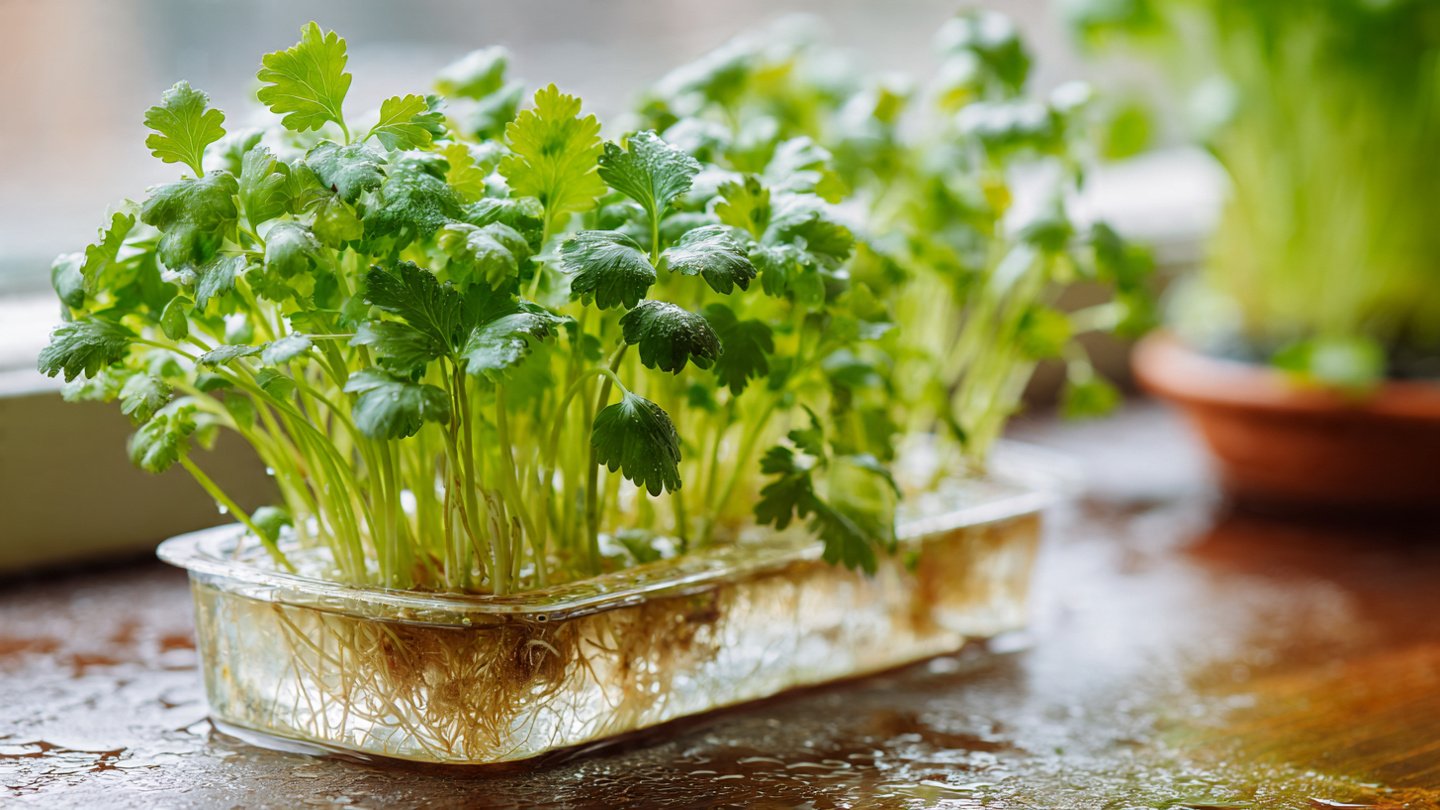
Coriander, also known as cilantro, is a culinary favorite prized for its fragrant leaves and nutrient-rich seeds. Traditionally grown in soil, coriander can also thrive as microgreens in water, a method that is fast, clean, and perfect for urban gardeners or anyone with limited space. Water-grown microgreens are a powerhouse of flavor, packed with vitamins, minerals, and antioxidants, making them ideal for garnishing dishes, adding fresh herbs to salads, or boosting smoothies.
This guide will reveal the secrets to growing healthy, vibrant coriander microgreens in water without the need for soil, covering every step from seed selection to harvesting.
Why Grow Coriander Microgreens in Water?
Soil-free cultivation offers several advantages for growing coriander microgreens:
- Faster growth: Seeds typically germinate in 2–3 days, with microgreens ready to harvest in 7–12 days.
- Space efficiency: Requires minimal space, ideal for kitchen counters, windowsills, or small apartments.
- Clean and convenient: No messy soil or heavy gardening tools required.
- Continuous harvest: Regular sowing allows a consistent supply of fresh greens.
- Nutrient-dense: Water-grown microgreens retain high concentrations of vitamins and antioxidants.
Water cultivation makes coriander microgreens accessible, easy, and rewarding even for beginners.
Selecting High-Quality Seeds
The foundation of successful microgreens is good seeds:
- Organic seeds: Choose organic coriander seeds to avoid chemical residues.
- Freshness: Seeds less than one year old have higher germination rates.
- Whole seeds: Avoid pre-split seeds, as they may be too fragile for water cultivation.
High-quality seeds ensure rapid germination and healthy, robust microgreens.
Preparing Coriander Seeds for Water Growth
Proper seed preparation accelerates germination and enhances growth:
- Rinse seeds: Wash seeds thoroughly to remove dust and impurities.
- Soak seeds: Place seeds in water for 8–12 hours to soften the seed coat and stimulate sprouting.
- Drain and rinse: After soaking, drain seeds and rinse them gently to remove any residues.
Soaking is essential for softening the tough seed coat of coriander, improving germination success in a water-based system.
Choosing the Right Container
Containers are key for water-based microgreen cultivation:
- Shallow trays or bowls: Wide, shallow containers allow even water coverage and better air circulation.
- Transparent options: Glass jars or clear trays let you monitor water levels and root growth.
- Drainage: While soil isn’t used, ensure the container allows excess water to be refreshed easily to prevent stagnation.
The right container ensures a stable, healthy environment for roots to develop.
Setting Up the Water Culture
Water-grown microgreens require careful attention to moisture and oxygen:
- Base layer: Place a thin layer of cotton wool, paper towels, or mesh at the bottom to support seeds.
- Seed placement: Spread soaked coriander seeds evenly on the surface, avoiding overcrowding.
- Initial water level: Add enough water to keep the base layer moist without submerging the seeds.
- Light: Place the container near a bright window with indirect sunlight or use a small grow light for 4–6 hours daily.
This setup allows seeds to germinate while roots establish in a moisture-rich environment.
Germination Process
Coriander microgreens germinate quickly with proper care:
- Temperature: Maintain 20–25°C for optimal sprouting.
- Humidity: Keep seeds covered with a light cloth or lid for the first 2–3 days to retain humidity.
- Water maintenance: Mist seeds twice daily or ensure the base remains moist.
- Observation: Tiny sprouts appear within 2–3 days, signaling successful germination.
Monitoring the environment ensures even growth and prevents mold or seed rot.
Nutrient Management
While water provides hydration, nutrients are key for healthy microgreens:
- Nutrient solutions: Use a diluted hydroponic solution or liquid organic fertilizer once the roots are established.
- Frequency: Refresh water and nutrients every 2–3 days to avoid stagnation.
- Optional natural nutrients: Add a few drops of compost tea or diluted seaweed extract to boost growth.
Proper nutrition promotes strong stems, vibrant leaves, and robust flavor.
Lighting Requirements
Coriander microgreens need adequate light to develop vibrant green leaves:
- Indirect sunlight: 4–6 hours per day is ideal; avoid harsh direct sunlight that may scorch delicate leaves.
- Grow lights: LED or fluorescent lights work well if natural sunlight is limited.
- Rotation: Rotate containers daily to ensure even light exposure.
Sufficient light prevents leggy growth and encourages compact, flavorful microgreens.
Preventing Mold and Disease
Water-based microgreens are susceptible to mold if conditions are too damp:
- Airflow: Ensure good ventilation around the container to reduce humidity build-up.
- Rinsing: Gently rinse seeds and sprouts daily to prevent bacterial or fungal growth.
- Spacing: Avoid overcrowding seeds to allow air circulation between sprouts.
Maintaining hygiene is critical for safe, healthy microgreens.
Harvesting Coriander Microgreens
Coriander microgreens are ready to harvest when leaves are fully developed:
- Timing: Typically 7–12 days after sowing, when sprouts have 2–3 true leaves.
- Method: Use scissors to cut microgreens just above the base, leaving roots behind.
- Storage: Consume fresh or store in a sealed container in the refrigerator for 3–4 days.
Timely harvesting maximizes flavor, nutrient content, and regrowth potential.
Continuous Microgreen Production
For a steady supply of fresh coriander:
- Succession planting: Sow new seeds every 3–4 days in separate containers.
- Rotation: Harvest and replace older microgreens while new batches mature.
- Clean system: Rinse and sterilize containers before replanting to avoid contamination.
Continuous production ensures a fresh supply of microgreens year-round.
Culinary Uses and Benefits
Coriander microgreens are flavorful and highly nutritious:
- Culinary uses: Add to salads, soups, sandwiches, smoothies, and garnishes for vibrant flavor.
- Health benefits: Rich in vitamins A, C, K, minerals like potassium and iron, and antioxidants.
- Flavor profile: Offers a concentrated citrusy, herbal flavor similar to mature coriander leaves.
Microgreens enhance both the taste and nutritional value of everyday meals.
Final Thoughts
Growing coriander microgreens in water is a simple, efficient, and rewarding way to enjoy fresh, nutrient-rich herbs at home. With careful seed selection, proper soaking, water culture setup, adequate light, and nutrient management, even beginners can cultivate lush microgreens in as little as a week.
This soil-free method is ideal for urban gardeners, small spaces, or anyone seeking clean, fast-growing herbs with minimal effort. By following these techniques, you can ensure a consistent supply of vibrant, flavorful coriander microgreens that elevate both your cooking and overall health.