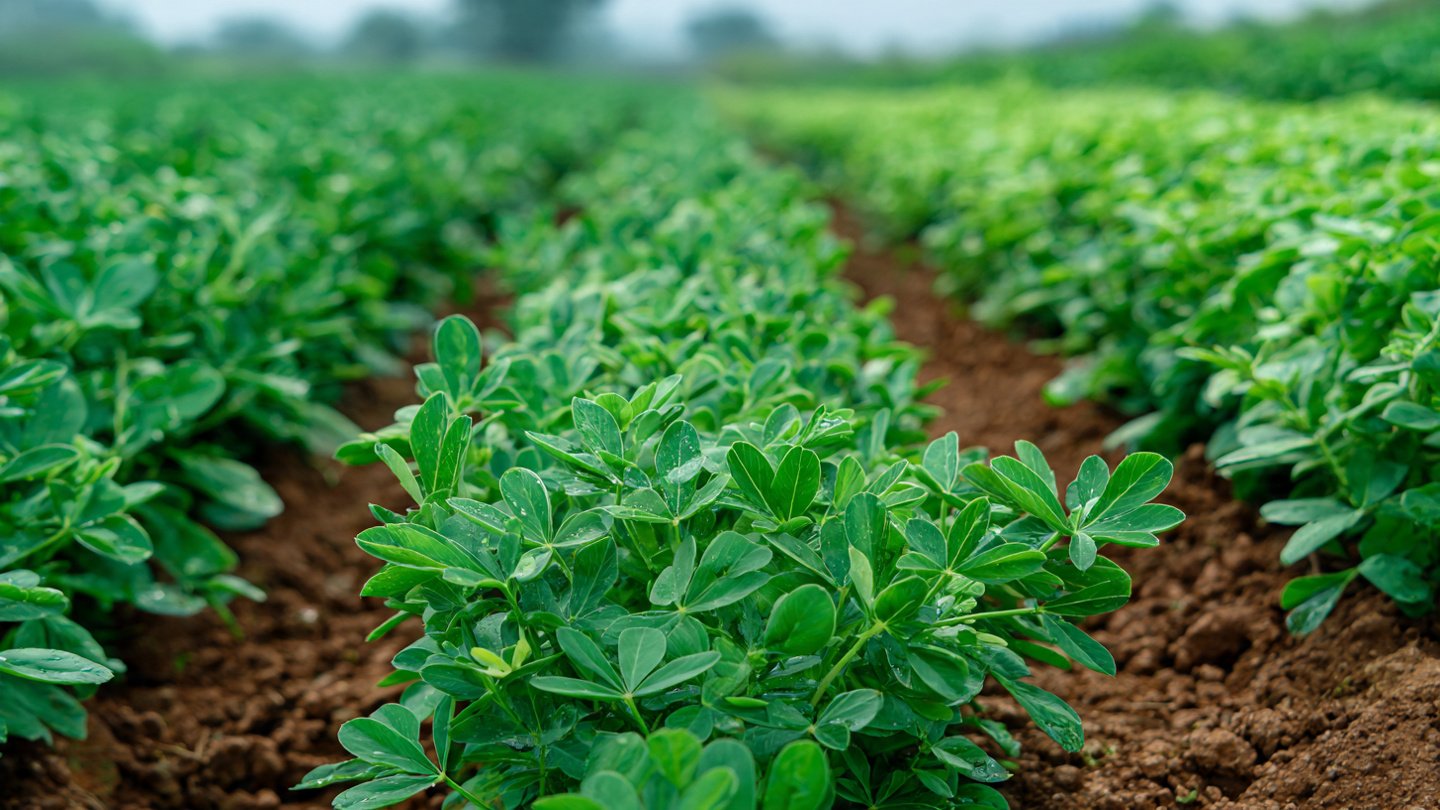
Methi, also known as fenugreek, is a popular herb in kitchens worldwide, prized for its distinct aroma, flavor, and health benefits. Rich in vitamins, minerals, and antioxidants, methi adds depth to curries, salads, and even smoothies. Beyond its culinary uses, growing methi at home is surprisingly easy, and with the right techniques, you can enjoy a continuous harvest all year round, ensuring fresh, nutrient-packed leaves whenever you need them.
This guide reveals the secrets to cultivating methi successfully—from seed selection and sowing to harvesting, care, and maximizing its flavor and nutritional value.
Why Grow Methi at Home
Homegrown methi has several advantages over store-bought varieties:
- Freshness and flavor: Leaves picked straight from your garden or containers retain their aroma and taste.
- Nutritional benefits: Rich in iron, magnesium, and vitamins, methi promotes overall health.
- Continuous harvest: With staggered sowing, you can enjoy leaves throughout the year.
- Chemical-free: Growing at home allows you to avoid pesticides and artificial fertilizers.
- Cost-effective: A small pot or patch can provide enough methi for daily use.
Whether you have a backyard, terrace, or even a kitchen window ledge, methi can thrive in limited space with proper care.
Choosing the Right Seeds
Selecting high-quality methi seeds is essential for optimal growth:
- Green leafy varieties: These produce tender, flavorful leaves ideal for fresh use.
- Dwarf varieties: Compact plants suitable for pots or small containers.
- High-yield varieties: These produce more leaves per plant, ensuring continuous harvest.
Always choose certified, untreated seeds to maximize germination and plant vigor.
Preparing Containers and Soil
Methi grows well in both garden beds and containers, making it accessible for all spaces.
Container Gardening:
- Use pots or trays at least 6–8 inches deep.
- Ensure proper drainage holes to prevent waterlogging.
Soil Preparation:
- Use loamy, well-draining soil with plenty of organic matter.
- Mix compost or vermicompost into the soil for nutrients.
- A slightly acidic to neutral pH (6.0–7.0) is ideal.
Good soil ensures faster growth, robust leaves, and healthier plants.
Sowing Methi Seeds
Methi is easy to grow from seeds:
- Soak seeds in water for 6–12 hours before sowing to speed germination.
- Sow seeds ¼–½ inch deep in prepared soil or containers.
- Space seeds 1–2 inches apart to allow room for growth.
- Lightly cover seeds with soil and water gently.
Seeds typically germinate within 7–10 days. For continuous harvest, sow new seeds every 2–3 weeks.
Sunlight Requirements
Methi thrives in bright, indirect sunlight:
- Provide 4–6 hours of sunlight daily.
- In hot climates, some afternoon shade helps prevent leaf scorching.
- For indoor gardening, place containers near sunny windows or under grow lights.
Adequate sunlight ensures rapid growth, flavorful leaves, and strong plants.
Watering Methi
Proper watering is crucial for lush, tender leaves:
- Keep the soil consistently moist, but not soggy.
- Water lightly every day or deeply every 2–3 days, depending on climate.
- Mulch the soil surface with dried leaves or straw to retain moisture.
Avoid overwatering, which can lead to root rot, or under-watering, which makes leaves bitter and stunted.
Fertilization
Methi grows well with minimal fertilization, but organic feeding improves leaf quality:
- Add compost or vermicompost every 2–3 weeks.
- Use diluted organic liquid fertilizer occasionally for faster growth.
- Avoid excess nitrogen, which can make leaves taste bitter.
Balanced feeding ensures tender, nutrient-rich leaves with maximum flavor.
Staggered Sowing for Continuous Harvest
The key to harvesting methi all year round is staggered sowing:
- Plant a new batch of seeds every 2–3 weeks.
- Maintain multiple pots or rows in the garden to ensure continuous production.
- Harvest mature leaves from older plants while younger plants grow.
This method guarantees a steady supply of fresh methi without waiting for an entire crop to mature.
Harvesting Methi
Methi can be harvested multiple times if done correctly:
- Cut-and-come-again method: Trim outer leaves 2–3 inches above the soil while leaving the growing tip intact.
- Harvest leaves when they are young and tender for best taste.
- Frequent harvesting encourages new leaf growth and prolongs plant life.
With proper care, a single plant can produce leaves for several weeks before maturity slows down.
Maximizing Flavor and Nutrition
- Harvest leaves early in the morning when essential oils and nutrients are at their peak.
- Avoid letting plants flower if your goal is leafy greens; flowering reduces leaf production and can make leaves bitter.
- Provide adequate sunlight and water to maintain leaf tenderness and rich flavor.
- Use organic fertilization to enhance nutrient density.
Following these tips ensures your methi is flavorful, tender, and packed with health benefits.
Managing Pests and Diseases
Methi is relatively hardy, but occasional issues may arise:
- Aphids and whiteflies: Spray with neem oil or mild soap solution.
- Fungal issues: Ensure proper spacing, airflow, and avoid waterlogging.
- Leaf yellowing: Can indicate nutrient deficiency or overwatering.
Regular inspection and preventive care keep plants healthy and productive.
Tips for Growing Methi Successfully
- Choose high-quality seeds for robust growth.
- Use nutrient-rich, well-draining soil.
- Keep the soil moist and provide adequate sunlight.
- Sow seeds every 2–3 weeks for continuous harvest.
- Harvest young leaves regularly to encourage regrowth.
- Fertilize organically to boost flavor and nutrition.
- Protect plants from pests and disease.
Following these practices ensures healthy plants and a constant supply of fresh methi.
Culinary Uses of Fresh Methi
Homegrown methi can be used in various ways:
- Add fresh leaves to curries, parathas, and dals.
- Mix with salads for a flavorful, nutrient-rich boost.
- Incorporate into smoothies for iron and vitamin-rich drinks.
- Use seeds for tempering or as a spice in cooking.
Fresh, homegrown methi not only enhances flavor but also maximizes the health benefits compared to store-bought leaves.
Final Thoughts
Growing methi at home is simple, rewarding, and highly beneficial. By selecting quality seeds, using well-prepared soil, maintaining proper sunlight and watering, and employing staggered sowing, you can enjoy a continuous supply of tender, flavorful, and nutritious leaves all year round.
Whether you are a beginner or an experienced gardener, growing methi in containers or small garden beds ensures fresh, chemical-free greens at your fingertips. With consistent care and attention, your home can produce a steady harvest of this versatile, health-boosting herb, making every meal more flavorful and nutritious.