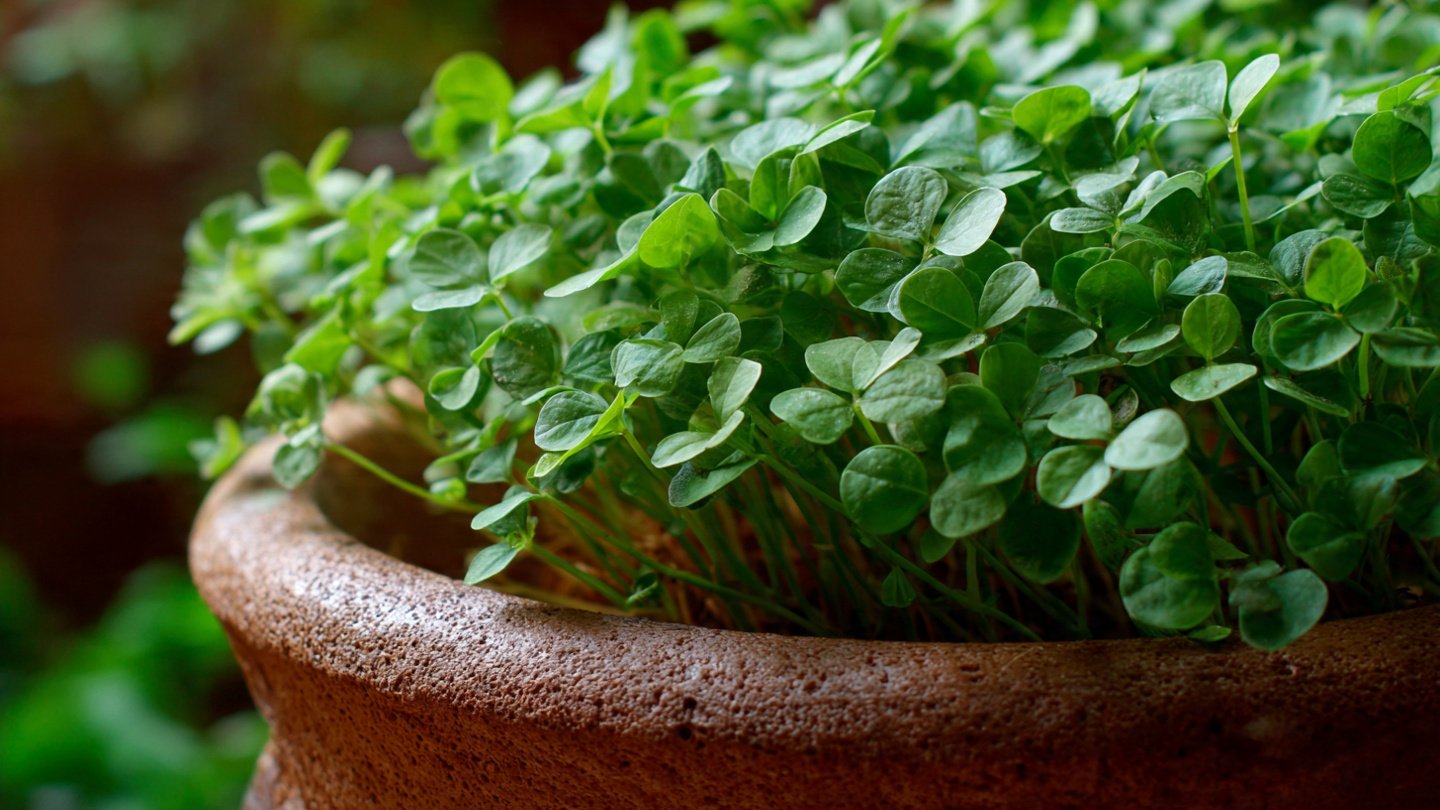
Kasuri methi, also known as dried fenugreek leaves, is a treasured herb in many kitchens, prized for its intense aroma and unique flavor. From curries and dals to parathas and vegetable dishes, just a small pinch can elevate the taste of a meal. While kasuri methi is commonly bought dried from stores, growing it indoors gives you access to fresh, chemical-free leaves all year round—right from your own home.
The good news is that kasuri methi is one of the easiest herbs to grow indoors. It requires minimal space, grows quickly, and adapts well to containers. With the right method, even beginners can enjoy a continuous supply of fresh leaves and make their own homemade dried kasuri methi whenever needed.
Why Grow Kasuri Methi Indoors?
Growing kasuri methi indoors offers several advantages that go beyond convenience.
- Year-round availability: No dependence on seasons or market supply
- Fresh and aromatic leaves: Far superior to store-bought dried versions
- Chemical-free harvest: Complete control over what goes into your food
- Space-efficient: Perfect for kitchens, balconies, and window sills
- Cost-effective: One packet of seeds can provide multiple harvests
Indoor cultivation also protects the plant from extreme weather, pests, and soil-borne diseases.
Understanding Kasuri Methi Growth Habits
Kasuri methi is grown from fenugreek seeds and harvested primarily for its leaves. The plant grows quickly and responds well to regular trimming, making it ideal for container gardening.
Key growth characteristics include:
- Shallow root system
- Fast germination (3–5 days)
- Ready for harvest within 20–25 days
- Thrives in moderate light and temperature
Because of its compact nature, kasuri methi is perfectly suited for indoor growing.
Choosing the Right Container
Container selection plays a major role in healthy indoor growth.
- Depth: 6–8 inches is sufficient
- Width: Wider containers allow denser sowing
- Material: Plastic, ceramic, or grow bags all work well
- Drainage: Must have holes to prevent waterlogging
Shallow but wide containers encourage uniform growth and make harvesting easier.
Ideal Soil Mix for Indoor Kasuri Methi
Kasuri methi prefers loose, well-draining soil that retains some moisture.
A simple and effective soil mix:
- 40% garden soil or potting soil
- 40% coco peat for moisture retention
- 20% compost or vermicompost for nutrients
Mix all components well and ensure the soil is light and crumbly. Heavy or compacted soil can restrict root growth.
Preparing the Seeds for Better Germination
Proper seed preparation significantly improves germination rates.
- Rinse fenugreek seeds in clean water.
- Soak them for 8–10 hours or overnight.
- Drain excess water before sowing.
Soaking softens the seed coat and speeds up sprouting, especially in indoor conditions.
Sowing Kasuri Methi Indoors
Once the soil and seeds are ready, sowing is quick and easy.
- Fill the container with soil, leaving about an inch from the top.
- Sprinkle seeds evenly across the surface.
- Lightly cover with a thin layer of soil.
- Gently mist with water.
Avoid overcrowding seeds, as dense growth can lead to poor airflow and weak plants.
Light Requirements for Indoor Growth
Light is one of the most important factors for growing kasuri methi indoors.
- Place the container near a sunny window or balcony door.
- 4–6 hours of bright, indirect sunlight is ideal.
- Rotate the container every few days for even growth.
If natural light is limited, kasuri methi can also grow under basic grow lights.
Watering the Right Way
Kasuri methi enjoys consistently moist soil but does not tolerate overwatering.
- Water lightly once a day or when the topsoil feels dry.
- Use a spray bottle during early growth stages.
- Ensure excess water drains out completely.
Overwatering is one of the most common mistakes and can cause root rot or fungal issues.
Temperature and Indoor Environment
Kasuri methi grows best in moderate indoor temperatures.
- Ideal range: 18–30°C
- Avoid placing near heaters, air conditioners, or cold drafts.
- Good air circulation helps prevent mold and disease.
A normal room environment is usually perfect for healthy growth.
Feeding and Nutrient Care
Kasuri methi does not require heavy feeding.
- Add compost or vermicompost once every 15–20 days.
- Avoid strong chemical fertilizers indoors.
- Liquid organic feed can be used sparingly for lush growth.
Excess fertilizer may promote rapid growth but reduce flavor intensity.
Harvesting for Maximum Flavor
Harvesting at the right time ensures aromatic, flavorful leaves.
- First harvest can be done after 20–25 days.
- Cut the leaves 2–3 cm above the soil level.
- Use clean scissors for neat cuts.
Regular harvesting encourages bushier growth and prevents flowering, which can reduce leaf quality.
Making Homemade Kasuri Methi
One of the biggest benefits of growing kasuri methi is making your own dried version.
- Harvest fresh leaves.
- Wash and pat dry thoroughly.
- Spread leaves in a shaded, airy place.
- Allow them to dry completely over several days.
- Crush and store in an airtight container.
Homemade kasuri methi has a stronger aroma and richer flavor than most store-bought options.
Common Problems and Easy Solutions
Indoor kasuri methi is generally trouble-free, but minor issues may arise.
- Yellow leaves: Too much water or low light
- Slow growth: Lack of nutrients or compacted soil
- Mold on soil: Overwatering and poor airflow
Most problems can be fixed with small adjustments to watering and light.
Growing Kasuri Methi All Year Round
To enjoy a continuous supply, sow seeds every 2–3 weeks in separate containers. This staggered planting ensures fresh harvests throughout the year without overwhelming your space.
Because kasuri methi grows quickly and requires minimal care, it easily becomes a regular part of indoor gardening routines.
Final Thoughts
Growing kasuri methi indoors all year round is simple, rewarding, and highly practical. With basic containers, good soil, and a little sunlight, you can enjoy fresh, aromatic leaves whenever you need them. Whether you use them fresh or dried, homegrown kasuri methi adds unmatched flavor and satisfaction to your cooking.
By following this easy method, you can turn a small indoor space into a reliable source of this beloved herb—fresh, healthy, and always within reach.