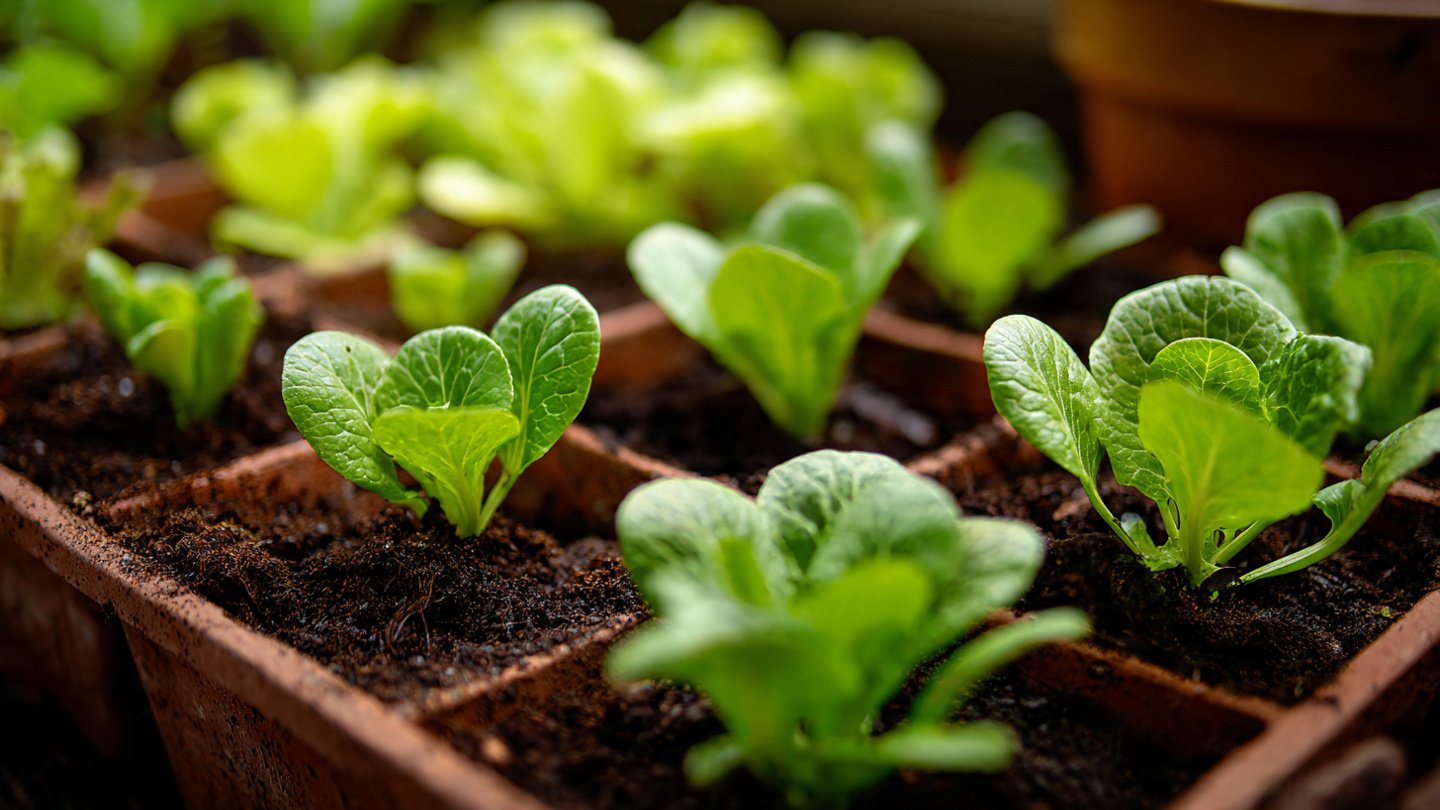
Fresh baby salad greens are among the healthiest and most rewarding crops you can grow at home. Tender, flavorful, and packed with nutrients, these young leafy vegetables elevate everyday meals while reducing grocery costs. The best part? You don’t need a large garden, advanced skills, or expensive equipment. With the right approach, growing delicious baby salad greens is one of the easiest gardening projects for beginners and experienced growers alike.
This guide walks you through a simple, reliable method to grow baby salad greens at home—whether you have a backyard, balcony, or just a sunny windowsill.
What Are Baby Salad Greens?
Baby salad greens are young leafy vegetables harvested early, usually 2–4 weeks after germination. At this stage, the leaves are soft, mild, and highly nutritious. Common baby greens include lettuce, spinach, arugula, mustard greens, kale, Swiss chard, and mixed salad blends.
Because they grow quickly and don’t require deep roots, baby greens are ideal for small spaces and containers.
Why Grow Baby Salad Greens at Home?
Growing your own baby greens offers several advantages:
- Fast harvests – ready in just a few weeks
- Space-efficient – perfect for pots, trays, and raised beds
- Cost-effective – one seed packet can provide many harvests
- Healthier meals – freshly harvested greens retain more nutrients
- Chemical-free – full control over what goes into your food
Homegrown baby greens also taste better, with fresher flavor and better texture than store-bought varieties.
Choosing the Right Greens
For beginners, it’s best to start with easy, fast-growing varieties. Popular choices include:
- Leaf lettuce (loose-leaf types grow fastest)
- Spinach
- Arugula
- Mustard greens
- Baby kale
- Mesclun or salad mix blends
You can grow a single variety or mix several seeds together for a colorful, flavorful harvest.
Containers and Growing Space
One of the biggest benefits of baby salad greens is their adaptability. You can grow them almost anywhere:
- Shallow pots or trays (4–6 inches deep is enough)
- Balcony planters
- Window boxes
- Raised garden beds
- Recycled containers with drainage holes
Make sure your container has proper drainage to prevent soggy soil, which can cause root problems.
Preparing the Growing Medium
Use a light, well-draining growing mix. A good option is a blend of:
- Garden soil or potting mix
- Compost or well-rotted organic matter
- A small amount of sand or coco peat for aeration
Avoid heavy clay soil, as it restricts root growth and drainage.
Fill containers to about one inch below the rim and gently level the surface.
Sowing Seeds the Easy Way
Baby greens don’t need precise spacing. In fact, dense sowing is ideal.
- Sprinkle seeds evenly across the soil surface
- Lightly cover them with a thin layer of soil
- Gently water using a spray or fine rose watering can
Seeds should be kept moist but not soaked. Most baby greens germinate within 3–7 days.
Light and Water Requirements
Sunlight
Baby salad greens grow best with 4–6 hours of sunlight daily. Morning sun is ideal, especially in warm climates. If sunlight is limited, bright indirect light still works for leafy growth.
Watering
Consistent moisture is key. The soil should remain evenly moist, not dry or waterlogged. Light daily watering is usually sufficient, especially in containers.
Caring for Your Baby Greens
One of the reasons baby salad greens are so beginner-friendly is their low maintenance.
- Remove weeds early to prevent competition
- Rotate containers occasionally for even growth
- Avoid overwatering, which can cause fungal issues
- No heavy fertilizing is needed—compost-rich soil is enough
If leaves appear pale, a diluted liquid organic feed can be applied once.
Harvesting for Continuous Growth
The best method for harvesting baby salad greens is the cut-and-come-again technique.
- Begin harvesting when leaves reach 3–4 inches tall
- Use scissors to cut leaves about 1 inch above soil level
- Leave the center intact so plants regrow
With proper care, you can harvest from the same container 2–4 times before replanting.
Common Problems and Simple Solutions
Slow growth
Often caused by low light or cool temperatures. Move plants to a brighter location.
Bitter taste
Usually due to heat stress or delayed harvesting. Harvest earlier and water consistently.
Yellowing leaves
May indicate overwatering or poor drainage. Improve airflow and drainage.
Growing Baby Greens Year-Round
Baby salad greens are perfect for year-round growing:
- In warm climates, grow them in partial shade
- In cooler seasons, they thrive in full sun
- Indoors, a sunny window or grow light works well
Stagger plantings every 1–2 weeks to enjoy a continuous supply of fresh greens.
Why This Method Works So Well
This easy method focuses on simplicity: shallow containers, dense sowing, quick harvesting, and minimal inputs. Because baby greens don’t require maturity, you skip many challenges associated with traditional vegetable gardening. The result is fast success, even for first-time growers.
Final Thoughts
Growing baby salad greens at home is one of the simplest and most satisfying ways to start gardening. With minimal space, effort, and time, you can enjoy fresh, flavorful greens straight from your garden to your plate. Whether you’re growing on a balcony, terrace, or windowsill, this easy method proves that anyone can grow healthy food at home.
Once you experience the joy of harvesting your own salad, you’ll never look at store-bought greens the same way again.