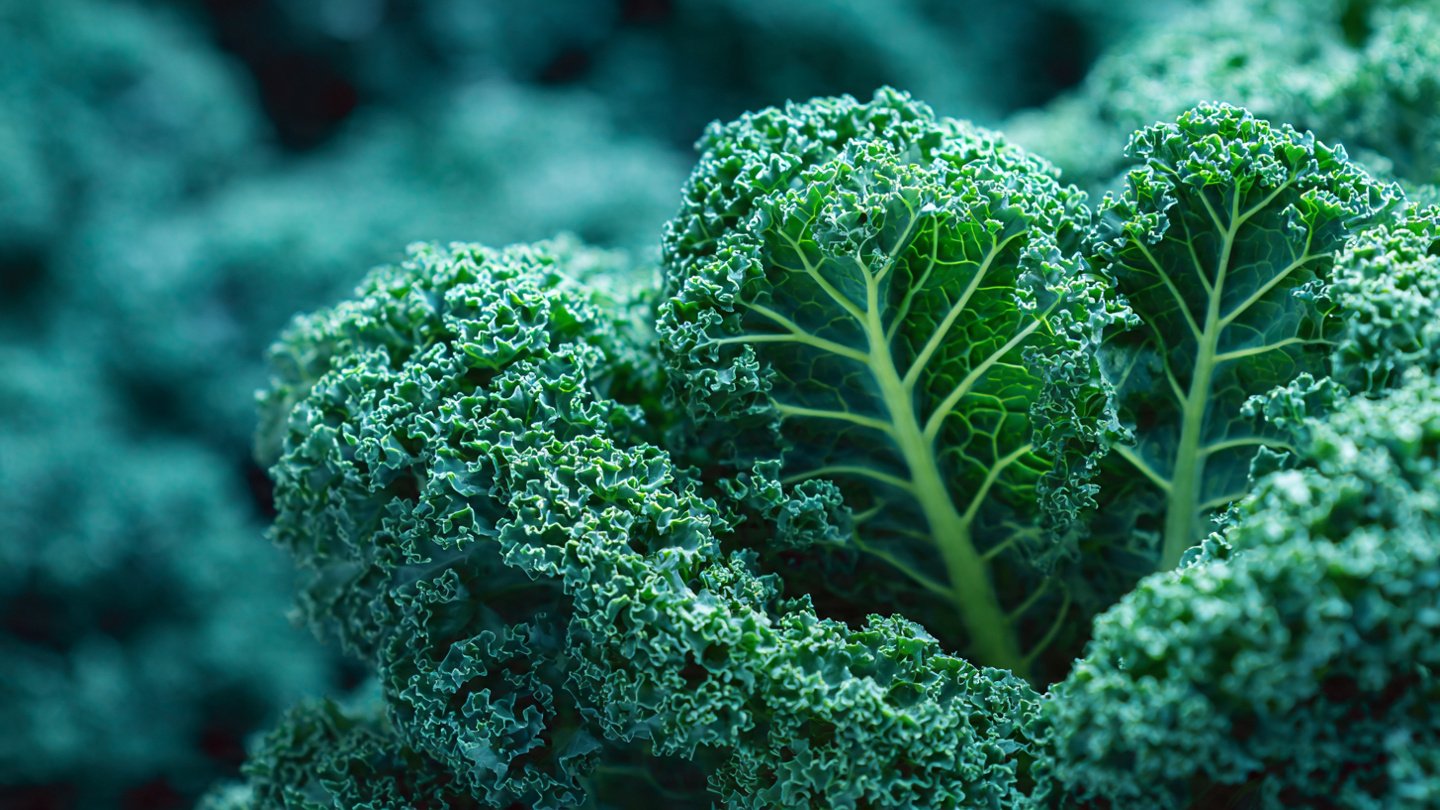
In the quest for a healthier lifestyle, few vegetables have gained as much attention as kale. Often hailed as a “superfood,” kale is packed with vitamins, minerals, fiber, and antioxidants, making it one of the most nutrient-dense foods you can add to your diet. Whether eaten raw, sautéed, baked, or blended into smoothies, kale offers a wide array of health benefits that support heart health, digestion, immunity, and overall wellness.
Incorporating kale into your daily meals is easier than many people think. From simple salads to creative dishes, this leafy green can become a versatile and delicious part of your routine.
Nutritional Profile of Kale
Kale is low in calories but rich in essential nutrients:
- Vitamins: High in vitamins A, C, and K, which support vision, immune function, and bone health.
- Minerals: Contains calcium, potassium, and magnesium for healthy bones and heart function.
- Fiber: Promotes digestive health and helps regulate blood sugar.
- Antioxidants: Includes flavonoids and carotenoids that reduce inflammation and protect cells from oxidative damage.
- Phytonutrients: Compounds like sulforaphane may support detoxification and cellular health.
With such a dense nutritional profile, kale is often considered a cornerstone of a plant-based, health-conscious diet.
How Kale Supports Heart Health
One of the most notable benefits of kale is its positive impact on cardiovascular health.
- Cholesterol reduction: Kale contains soluble fiber that binds cholesterol in the digestive system, helping reduce LDL (bad) cholesterol levels.
- Blood pressure regulation: Potassium in kale helps balance sodium levels and maintain healthy blood pressure.
- Antioxidant protection: Flavonoids and polyphenols in kale prevent oxidative damage to blood vessels, supporting healthy circulation.
Regular consumption of kale can contribute to a stronger heart and reduced risk of cardiovascular disease.
Bone and Joint Benefits
Kale is rich in vitamin K and calcium, two essential nutrients for maintaining strong bones and preventing osteoporosis.
- Vitamin K: Plays a crucial role in bone mineralization and helps reduce the risk of fractures.
- Calcium: Supports bone density and overall skeletal strength.
- Anti-inflammatory properties: Compounds in kale help reduce joint inflammation, which can aid in preventing arthritis.
For those at risk of bone-related conditions, including kale in the diet is a simple and effective preventive measure.
Digestive Health and Weight Management
Kale is an excellent source of dietary fiber, which aids digestion and promotes gut health.
- Fiber: Helps move food through the digestive tract, preventing constipation and supporting healthy bowel function.
- Low calorie density: Kale is filling but low in calories, making it ideal for weight management.
- Gut microbiome support: Fiber in kale feeds beneficial gut bacteria, promoting a healthy digestive system.
Incorporating kale into meals can help maintain a healthy digestive system while supporting weight control.
Immune System Support
Kale is naturally rich in vitamin C and antioxidants, both of which are essential for a strong immune system.
- Vitamin C: Stimulates white blood cell production and improves the body’s ability to fight infections.
- Antioxidants: Combat free radicals that can weaken the immune system and contribute to chronic disease.
- Anti-inflammatory properties: Reduce overall inflammation, which is linked to better immune function.
Eating kale regularly strengthens the body’s defenses and supports overall health.
Detoxification and Cellular Health
Kale contains compounds that promote natural detoxification in the liver and support cellular health.
- Sulforaphane: Enhances liver enzymes that detoxify harmful substances.
- Glucosinolates: Support the body’s natural defense mechanisms against toxins.
- Antioxidant-rich: Protects cells from oxidative stress that contributes to aging and disease.
These properties make kale an excellent addition to a detox-friendly diet.
Versatile Ways to Include Kale in Your Diet
Kale can be incorporated into your meals in a variety of ways, making it simple to enjoy its benefits daily.
- Raw salads: Massage kale leaves with olive oil and lemon juice to soften texture.
- Smoothies: Blend kale with fruits like banana or pineapple for a nutrient-packed drink.
- Sautéed dishes: Lightly cook with garlic, olive oil, or other vegetables.
- Kale chips: Bake leaves with a touch of olive oil and seasoning for a crispy snack.
- Soups and stews: Add kale in the last few minutes of cooking to preserve nutrients.
Experimenting with different preparation methods keeps kale exciting and enjoyable.
Potential Considerations
While kale is highly nutritious, a few considerations are worth noting:
- Oxalates: Kale contains compounds that can interfere with calcium absorption in large amounts. People prone to kidney stones should moderate intake.
- Thyroid health: Raw kale contains goitrogens, which may interfere with thyroid function in sensitive individuals. Cooking reduces these compounds.
- Moderation: Eating a variety of greens ensures balanced nutrition and avoids overconsumption of any single vegetable.
For most people, including kale in moderation is safe and highly beneficial.
Tips for Selecting and Storing Kale
To maximize the nutritional benefits of kale, proper selection and storage are essential.
- Selection: Choose firm, dark green leaves without yellowing or wilting.
- Storage: Keep in the refrigerator in a perforated bag to retain freshness for up to a week.
- Preparation: Wash thoroughly and remove tough stems before consumption.
Fresh, high-quality kale provides the best flavor and maximum health benefits.
Incorporating Kale Into a Healthy Lifestyle
Kale is more than just a superfood—it’s a versatile tool for creating a healthier lifestyle. When combined with other whole foods, regular exercise, and mindful habits, kale can help:
- Support heart and bone health
- Improve digestion and metabolism
- Strengthen the immune system
- Provide antioxidant protection
- Contribute to weight management
It serves as a nutrient-dense foundation for balanced, health-conscious living.
Final Thoughts
Adding kale to your diet is one of the simplest and most effective ways to enhance overall health. Its impressive nutrient profile, combined with heart, bone, digestive, and immune benefits, makes it a powerhouse vegetable for anyone seeking a healthier lifestyle. By enjoying kale in a variety of recipes—raw, cooked, or blended—you can harness its full potential while keeping meals flavorful and enjoyable.
Incorporating kale into your daily routine is not just about adding another vegetable; it’s about embracing a lifestyle that prioritizes nutrition, wellness, and longevity. Whether you are a seasoned health enthusiast or just beginning your wellness journey, kale is a green ally that supports a stronger, more vibrant, and healthier life.