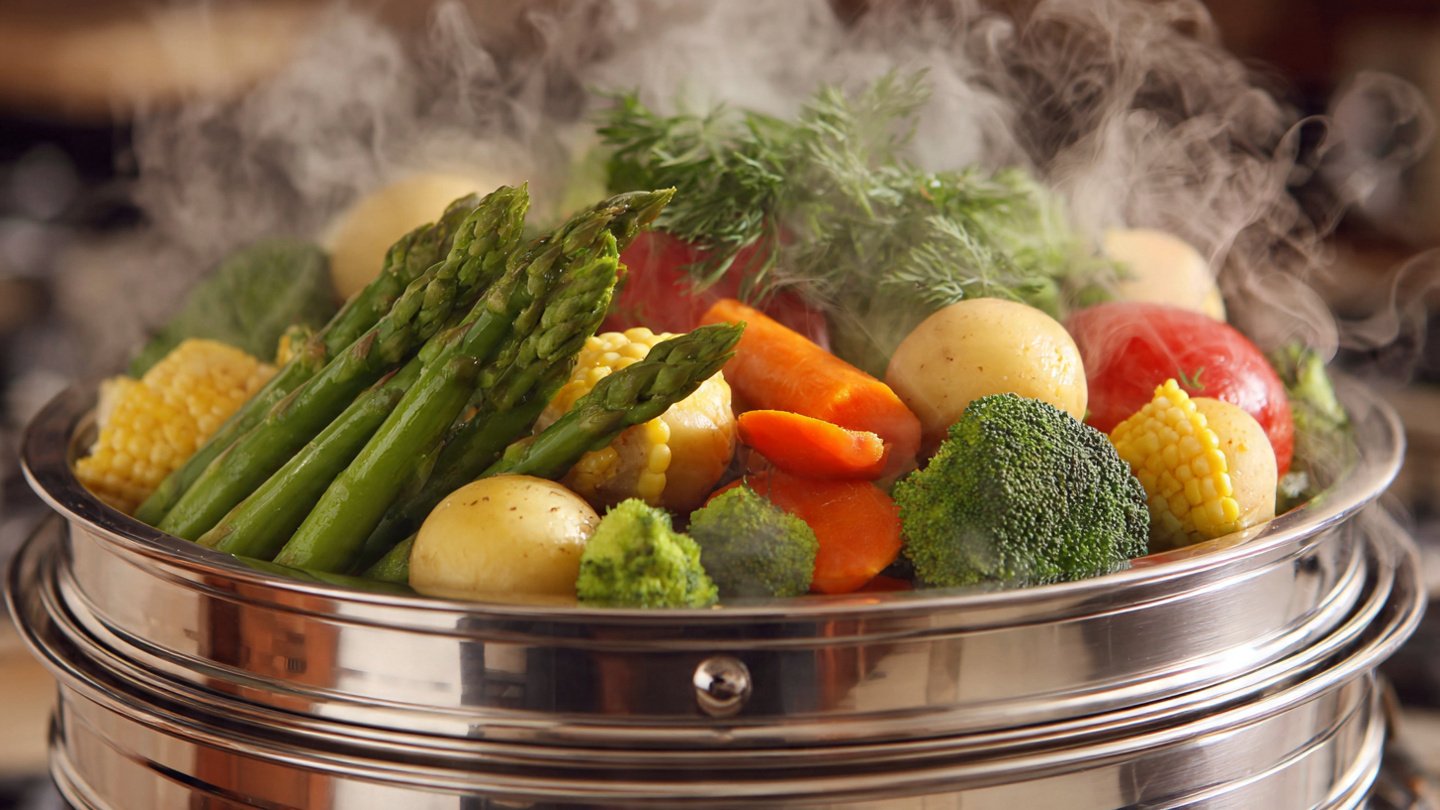
Eating healthy doesn’t have to be complicated, and one of the easiest tools to incorporate into a nutritious lifestyle is a vegetable steamer. Steaming vegetables preserves more vitamins, minerals, and natural flavors than boiling or frying, making it an ideal cooking method for anyone aiming to eat cleaner, feel better, and enjoy food at its freshest. Whether you are a beginner in the kitchen or an experienced cook looking for healthier alternatives, a vegetable steamer is a versatile appliance that can simplify meal preparation and enhance your diet.
This guide explores simple ways to use a vegetable steamer, the benefits of steaming, and tips for creating flavorful, nutrient-packed meals that support healthy living.
Why Choose Steaming Over Other Cooking Methods
Steaming vegetables is one of the gentlest cooking methods. Unlike boiling, which can leach nutrients into water, steaming allows vegetables to retain water-soluble vitamins such as vitamin C and B-complex vitamins. Steaming also maintains the vibrant color, texture, and natural taste of vegetables, making meals more appealing and satisfying.
Compared to frying, steaming avoids added fats and oils, reducing unnecessary calories and supporting heart health. For those managing dietary restrictions, such as low sodium or low-fat diets, steaming is an excellent choice because it requires minimal seasoning to produce flavorful results.
Selecting the Right Vegetables for Steaming
Almost all vegetables can be steamed, but some are particularly well-suited to this method. Popular options include:
- Leafy greens such as spinach, kale, and bok choy
- Cruciferous vegetables like broccoli, cauliflower, and Brussels sprouts
- Root vegetables such as carrots, sweet potatoes, and beets
- Peppers, zucchini, and green beans for a variety of textures and flavors
Choosing fresh, high-quality produce ensures the best results. Organic vegetables are preferred if available, as they are grown without synthetic pesticides and often retain more nutrients.
Using Your Vegetable Steamer Effectively
A vegetable steamer can be a simple countertop appliance or a specialized insert that fits into a pot. Here’s a step-by-step method to get started:
- Prepare the Vegetables – Wash thoroughly, peel or trim if necessary, and cut vegetables into even pieces to ensure uniform cooking.
- Add Water to the Steamer Base – The water level should be below the steamer basket to avoid boiling the vegetables.
- Arrange Vegetables in the Basket – Place harder vegetables like carrots or potatoes at the bottom, and softer vegetables like leafy greens on top. This ensures everything cooks evenly.
- Steam Until Tender – Cooking times vary based on vegetable type. Most vegetables take between 5–15 minutes. Check for doneness by piercing with a fork; they should be tender but not mushy.
- Season and Serve – Once steamed, vegetables can be lightly seasoned with herbs, spices, a drizzle of olive oil, or a splash of lemon juice.
Creative Ways to Enhance Steamed Vegetables
Steaming doesn’t have to be bland. Here are some simple ways to make your steamed vegetables flavorful:
- Herbs and Spices: Sprinkle fresh herbs like parsley, basil, or dill over vegetables after steaming. Add garlic powder, paprika, or black pepper for an extra kick.
- Citrus Zest and Juice: Lemon, lime, or orange juice brightens the flavor and adds antioxidants.
- Healthy Fats: A drizzle of extra virgin olive oil, avocado oil, or a sprinkle of seeds enhances absorption of fat-soluble vitamins like A, D, E, and K.
- Simple Sauces: Mix steamed vegetables with light sauces like tahini, soy sauce, or yogurt-based dressings for variety.
Steaming for Meal Prep
One of the advantages of using a vegetable steamer is how it simplifies meal preparation. Steamed vegetables can be cooked in bulk and stored in airtight containers for up to 3–5 days in the refrigerator. This makes it easy to add nutritious sides to lunches or dinners without daily cooking.
Steamed vegetables also pair well with proteins such as grilled fish, baked chicken, tofu, or legumes, creating balanced meals rich in fiber, protein, and essential nutrients.
Steaming Beyond Vegetables
A vegetable steamer is versatile and can be used to prepare more than just vegetables. Consider these options:
- Whole Grains: Brown rice, quinoa, and barley can be steamed for perfect texture without sticking.
- Seafood: Fish fillets, shrimp, and mussels cook quickly in a steamer and retain moisture and flavor.
- Eggs: Steamed eggs make for a light and fluffy alternative to boiled eggs.
- Dumplings or Buns: Asian-style steamed buns or dumplings cook evenly in a steamer without added oils.
This versatility allows you to create complete, healthy meals using a single appliance.
Health Benefits of Steaming Vegetables
Steaming supports healthy living in multiple ways:
- Retains Nutrients: Preserves water-soluble vitamins and antioxidants lost in boiling.
- Supports Weight Management: No added fats reduce calorie intake without sacrificing flavor.
- Improves Digestion: Steamed vegetables remain tender and easier to digest.
- Enhances Heart Health: Steaming reduces the need for oils, lowering saturated fat intake.
- Boosts Immune Function: Steamed cruciferous vegetables maintain compounds that support detoxification and immune health.
Tips for Successful Steaming
- Do Not Overcrowd: Give vegetables room in the steamer to cook evenly.
- Check Water Levels: Refill water as necessary to prevent the steamer from running dry.
- Combine Textures: Steaming different vegetables together is possible, but add hard vegetables first, then softer ones later.
- Experiment with Flavor: Don’t be afraid to try new herbs, spices, or citrus for variation.
Conclusion
A vegetable steamer is an indispensable tool for anyone pursuing a healthier lifestyle. It offers a simple, efficient, and versatile way to prepare nutrient-rich meals while preserving flavor and texture. From leafy greens to root vegetables, seafood, and even grains, steaming allows you to enjoy wholesome foods with minimal effort and maximum nutritional benefit.
By incorporating a vegetable steamer into your kitchen routine, you can save time, reduce cooking fats, and consistently prepare meals that support your health goals. Whether you are looking to boost nutrient intake, simplify meal prep, or explore new flavors, mastering the vegetable steamer can be a game-changer for healthy living.