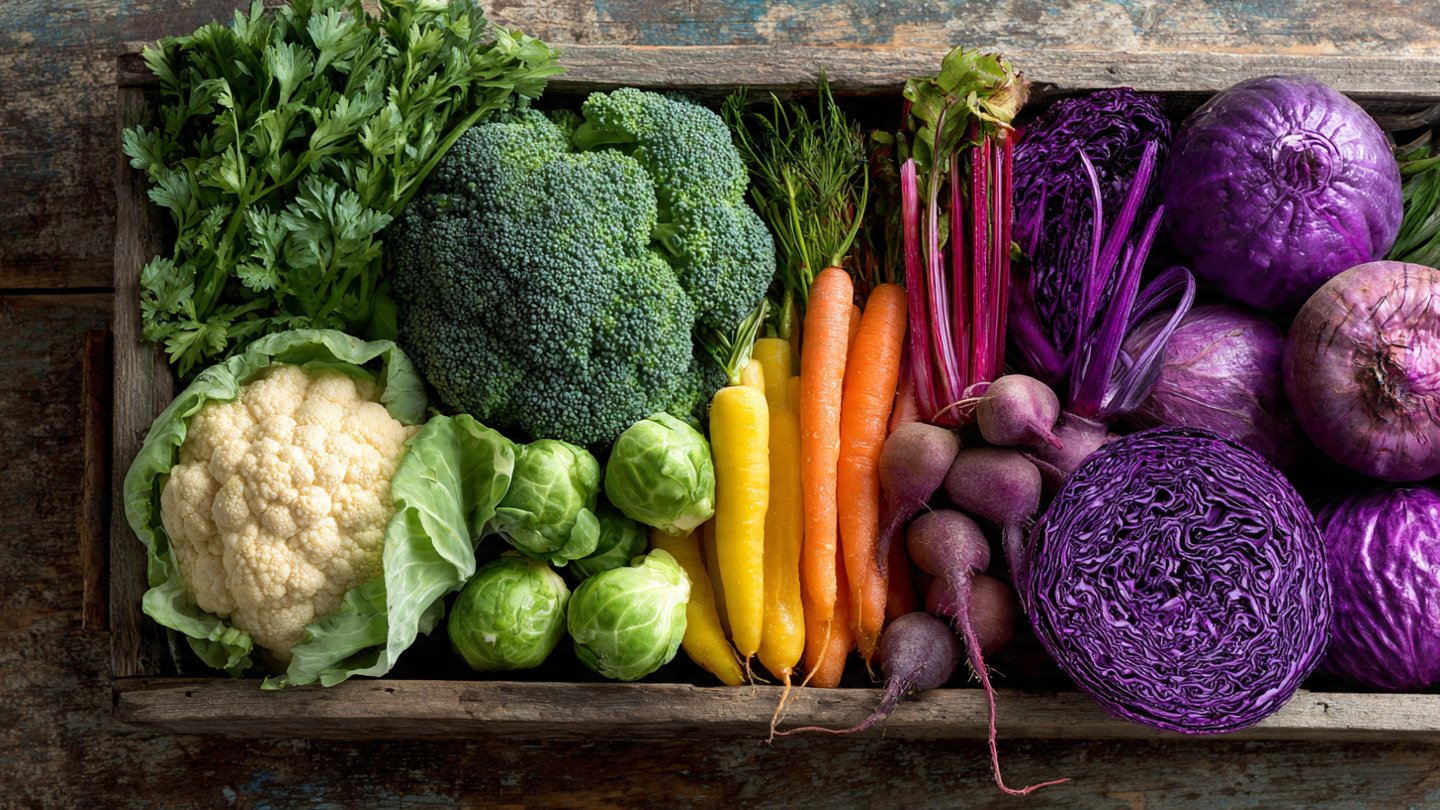
Healthy, glowing skin isn’t just about creams, serums, or expensive treatments—it starts from within. What you eat plays a huge role in maintaining youthful skin, and one of the most effective ways to protect and rejuvenate your skin is by eating more vegetables. Packed with vitamins, minerals, antioxidants, and water, vegetables nourish your skin from the inside out, helping to prevent premature aging, maintain elasticity, and give you a natural radiance. This comprehensive guide explores how vegetables benefit your skin, which ones are most effective, and practical tips for making them a daily habit.
Why Your Diet Directly Affects Your Skin
Your skin reflects your overall health. Nutrients from food help repair damaged cells, produce collagen, fight free radicals, and maintain proper hydration. Diets high in processed foods, sugar, and unhealthy fats can accelerate skin aging, leading to wrinkles, dullness, and inflammation.
Vegetables, in contrast, provide essential nutrients and antioxidants that protect your skin from cellular damage, support regeneration, and promote a healthy glow. The more variety and color you include in your vegetable intake, the broader the spectrum of nutrients your skin receives.
Essential Nutrients in Vegetables That Promote Youthful Skin
- Vitamin C – Found in bell peppers, broccoli, kale, and Brussels sprouts, vitamin C supports collagen production, a protein that keeps skin firm and elastic. It also helps fade dark spots and protect skin from sun damage.
- Vitamin A – Carrots, sweet potatoes, pumpkin, and spinach contain beta-carotene, which converts to vitamin A in the body. This vitamin improves skin cell turnover, prevents acne, and enhances texture and smoothness.
- Vitamin E – Leafy greens, asparagus, and avocados are excellent sources of vitamin E, which protects skin from oxidative stress, reduces inflammation, and improves moisture retention.
- Minerals – Zinc, selenium, and magnesium are essential for skin repair, hydration, and anti-inflammatory processes. Vegetables like spinach, mushrooms, and pumpkin seeds help supply these nutrients naturally.
- Phytonutrients and Antioxidants – Cruciferous vegetables such as broccoli, cabbage, and kale contain sulforaphane, which helps protect skin cells from free radical damage. Colorful vegetables like beets, red cabbage, and tomatoes are rich in anthocyanins and lycopene, antioxidants that combat oxidative stress and slow skin aging.
How Vegetables Hydrate Your Skin
Many vegetables have a high water content, which naturally hydrates the skin from within. Cucumbers, celery, zucchini, and lettuce not only provide hydration but also deliver silica and other trace minerals that strengthen connective tissues. Hydrated skin looks plump, smooth, and youthful, reducing the appearance of fine lines and dryness.
The Role of Fiber in Skin Health
A diet rich in vegetables is naturally high in dietary fiber, which supports digestive health. A healthy gut directly impacts your skin, as toxins and inflammation in the digestive system often manifest as acne, redness, or dullness. Fiber helps remove waste efficiently, supports healthy gut bacteria, and indirectly improves skin clarity and texture.
Vegetables That Are Especially Beneficial for Youthful Skin
- Leafy Greens – Spinach, kale, and Swiss chard provide vitamins A, C, E, and K, along with antioxidants that protect and nourish skin cells.
- Carrots and Sweet Potatoes – Rich in beta-carotene, these vegetables promote a natural glow and help shield skin from sun damage.
- Bell Peppers – High in vitamin C and antioxidants, they support collagen production and maintain skin elasticity.
- Tomatoes – Lycopene in tomatoes protects against UV damage and supports skin firmness.
- Cucumbers – Hydrating and soothing, cucumbers contain silica, which strengthens connective tissue.
- Cruciferous Vegetables – Broccoli, cauliflower, and Brussels sprouts help detoxify the body and protect against cellular damage.
Including a variety of these vegetables ensures your skin receives a broad range of essential nutrients.
Practical Ways to Eat More Vegetables Daily
- Start Your Day with Greens – Add spinach or kale to morning smoothies or omelets.
- Snack Smart – Keep carrot sticks, bell pepper slices, or cucumber rounds for convenient, nutrient-rich snacks.
- Fill Half Your Plate – Make vegetables the focus of your lunch and dinner, including a mix of raw, roasted, or steamed options.
- Soups and Stews – Pureed vegetable soups, like carrot, pumpkin, or tomato, are nutrient-dense and easy to digest.
- Juicing and Smoothies – Fresh vegetable juices or smoothies provide concentrated nutrients, but avoid adding excessive sugar.
Lifestyle Habits That Amplify the Effects of Vegetables on Skin
Eating vegetables works best when combined with healthy lifestyle choices:
- Hydrate – Drink plenty of water to keep your skin supple and fresh.
- Avoid Excess Sugar and Processed Foods – These accelerate aging and inflammation.
- Exercise Regularly – Physical activity improves blood circulation, delivering nutrients to skin cells.
- Get Adequate Sleep – Skin repairs itself during rest; aim for 7–8 hours per night.
- Sun Protection – Even a nutrient-rich diet cannot fully prevent UV damage; use sunscreen consistently.
Long-Term Benefits of a Vegetable-Rich Diet
Consistently eating vegetables provides cumulative benefits for your skin:
- Improved elasticity and reduced appearance of wrinkles
- Enhanced skin tone and natural radiance
- Protection against UV and environmental damage
- Reduced inflammation and fewer breakouts
Over time, the effects become more visible, supporting a youthful appearance from within.
Simple Tips for Making Vegetables a Habit
- Plan meals around vegetables instead of treating them as a side dish.
- Try new recipes to keep your diet varied and exciting.
- Use seasonal vegetables for maximum freshness and nutrient content.
- Incorporate raw vegetables in salads or dips for added crunch and nutrients.
- Grow your own vegetables if possible, ensuring the freshest produce for your skin.
Final Thoughts
The secret to youthful, radiant skin lies in a consistent, vegetable-rich diet. Vegetables provide essential vitamins, minerals, antioxidants, and hydration that support skin repair, elasticity, and protection against premature aging. While skincare products can complement your routine, nourishing your body from within ensures long-lasting results.
By incorporating a wide variety of vegetables into every meal, staying hydrated, and following healthy lifestyle habits, you can naturally maintain youthful, glowing skin. Over time, your skin will reflect the care you provide internally, resulting in a healthy, radiant complexion that no external product alone can achieve.