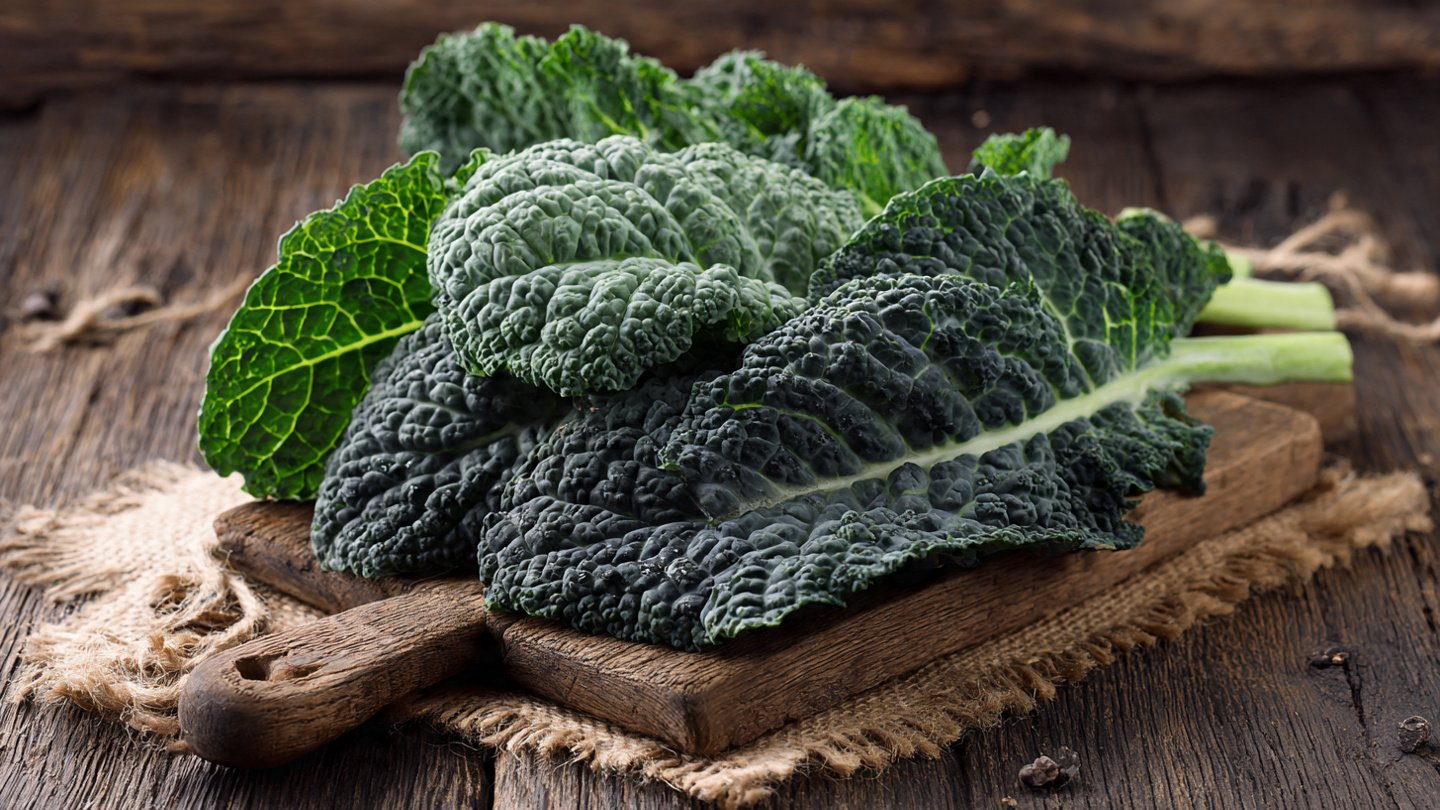
Kale has become a superstar in the world of healthy eating, celebrated not just for its impressive nutrient profile, but also for its ability to enhance mood and boost energy levels. This leafy green, packed with vitamins, minerals, and antioxidants, is more than just a salad staple—it’s a functional food that supports both physical vitality and mental well-being.
Understanding how kale influences energy and mood can transform the way you approach your diet, turning this humble green into a daily wellness powerhouse. In this article, we’ll explore the nutritional benefits of kale, how it affects your body and brain, and practical ways to incorporate it into your meals for maximum impact.
Why Kale Is a Nutrient Powerhouse
Kale is rich in essential nutrients that play key roles in energy production, mood regulation, and overall health:
- Vitamins: Kale is packed with vitamin A, vitamin C, vitamin K, and several B vitamins, which are vital for metabolism, immune support, and brain function.
- Minerals: Calcium, potassium, magnesium, and iron in kale help support muscle function, blood health, and nerve signaling.
- Antioxidants: Flavonoids and carotenoids combat oxidative stress, which can reduce fatigue and support cognitive function.
- Fiber: Helps regulate blood sugar levels, preventing energy crashes and promoting digestive health.
This combination makes kale an ideal food for sustaining energy, maintaining a positive mood, and supporting long-term health.
How Kale Boosts Energy Levels
Energy levels are closely linked to how efficiently your body converts food into fuel. Kale supports energy in several ways:
- Supports Blood Sugar Regulation: Kale’s fiber content slows the absorption of sugars into the bloodstream, preventing spikes and crashes that can drain energy.
- Enhances Iron Absorption: Iron in kale helps carry oxygen in the blood, increasing stamina and reducing fatigue. Pairing kale with vitamin C-rich foods, like bell peppers or citrus, enhances iron absorption.
- Provides B Vitamins for Metabolism: B vitamins, especially B6 and B9 (folate), help convert carbohydrates, fats, and proteins into usable energy.
- Hydration and Electrolytes: Potassium and magnesium in kale support fluid balance and muscle function, reducing feelings of lethargy and boosting physical performance.
By including kale in your daily diet, you give your body the nutrients it needs to sustain energy throughout the day without relying on caffeine or sugar.
How Kale Supports Mood and Mental Well-Being
Mood and mental health are influenced by both nutrition and brain chemistry. Kale contains several compounds that directly and indirectly support emotional well-being:
- Folate for Serotonin Production: Folate is essential for producing serotonin, the “feel-good” neurotransmitter that regulates mood. Low folate levels have been linked to depression and fatigue.
- Antioxidants Reduce Oxidative Stress: Oxidative stress can impair brain function and increase anxiety or depressive symptoms. Kale’s antioxidants help protect neurons and improve cognitive performance.
- Anti-Inflammatory Properties: Chronic inflammation is linked to mood disorders. Kale contains anti-inflammatory compounds, including vitamin K and polyphenols, which can support a more balanced emotional state.
- Magnesium for Relaxation: Magnesium is known for its calming effect on the nervous system, reducing stress, improving sleep quality, and enhancing overall mood.
Incorporating kale into your meals can help stabilize your mood, improve mental clarity, and reduce feelings of fatigue and stress.
The Role of Kale in Immune Function and Overall Health
A healthy immune system is essential for sustained energy and emotional well-being. Kale contributes to immunity through:
- Vitamin C: Boosts white blood cell function and supports tissue repair.
- Vitamin A: Promotes healthy skin and mucous membranes, the body’s first line of defense.
- Antioxidants: Protect immune cells from free radical damage.
When your body is less burdened by illness or inflammation, you naturally feel more energetic and mentally resilient.
How to Incorporate Kale Into Your Diet
Kale’s versatility makes it easy to include in meals. Here are practical ways to enjoy kale every day:
- Smoothies: Blend kale with fruits like banana, apple, or berries for a nutrient-packed energy drink.
- Salads: Massage raw kale with olive oil, lemon, or vinegar to soften the leaves, and add protein like beans or nuts.
- Sautéed Greens: Lightly sauté kale with garlic and olive oil for a warm side dish rich in nutrients.
- Soups and Stews: Add chopped kale to soups, chili, or casseroles during the last few minutes of cooking.
- Kale Chips: Toss kale leaves with a little olive oil and salt, then bake for a crunchy, nutrient-dense snack.
Experimenting with different preparation methods ensures you enjoy kale without sacrificing taste.
Tips to Maximize Kale’s Health Benefits
- Eat a mix of raw and cooked: Cooking enhances some antioxidants while raw kale preserves vitamin C and folate.
- Pair with healthy fats: Fat-soluble vitamins A, K, and E in kale are absorbed better with olive oil, avocado, or nuts.
- Rotate greens: While kale is beneficial, variety in leafy greens provides a broader spectrum of nutrients.
- Organic choices: Kale can accumulate pesticides; organic options reduce exposure to chemicals that may interfere with health benefits.
These small adjustments enhance both the nutritional value and the functional benefits of kale.
When and How Much Kale to Eat
Moderation is key. Consuming 1–2 cups of raw kale or ½–1 cup cooked kale per day provides ample nutrients without overloading your system with fiber, which can sometimes cause bloating. Eating kale consistently as part of a balanced diet—rather than in large amounts sporadically—offers the best energy and mood benefits.
Additional Lifestyle Tips to Complement Kale’s Effects
While kale is powerful on its own, combining it with healthy lifestyle practices amplifies its impact:
- Stay hydrated: Water supports energy metabolism and mental clarity.
- Exercise regularly: Physical activity enhances mood and complements the nutrient benefits of kale.
- Get adequate sleep: Sleep is essential for nutrient absorption and mood regulation.
- Manage stress: Mindfulness, meditation, or outdoor activities improve mental well-being synergistically with diet.
Kale becomes even more effective when part of a holistic approach to health.
Final Thoughts
Kale is far more than a trendy green; it is a functional food that supports both mental and physical vitality. Packed with vitamins, minerals, fiber, and antioxidants, it helps stabilize energy levels, enhance mood, reduce stress, and boost overall health. By incorporating kale into your daily diet—through smoothies, salads, soups, or sautéed dishes—you can enjoy its powerful benefits naturally and deliciously.
Understanding how kale works within your body helps you make informed choices about diet and lifestyle. With regular consumption and complementary healthy habits, kale can become a cornerstone of both energy and emotional wellness—empowering you to feel your best, every day.