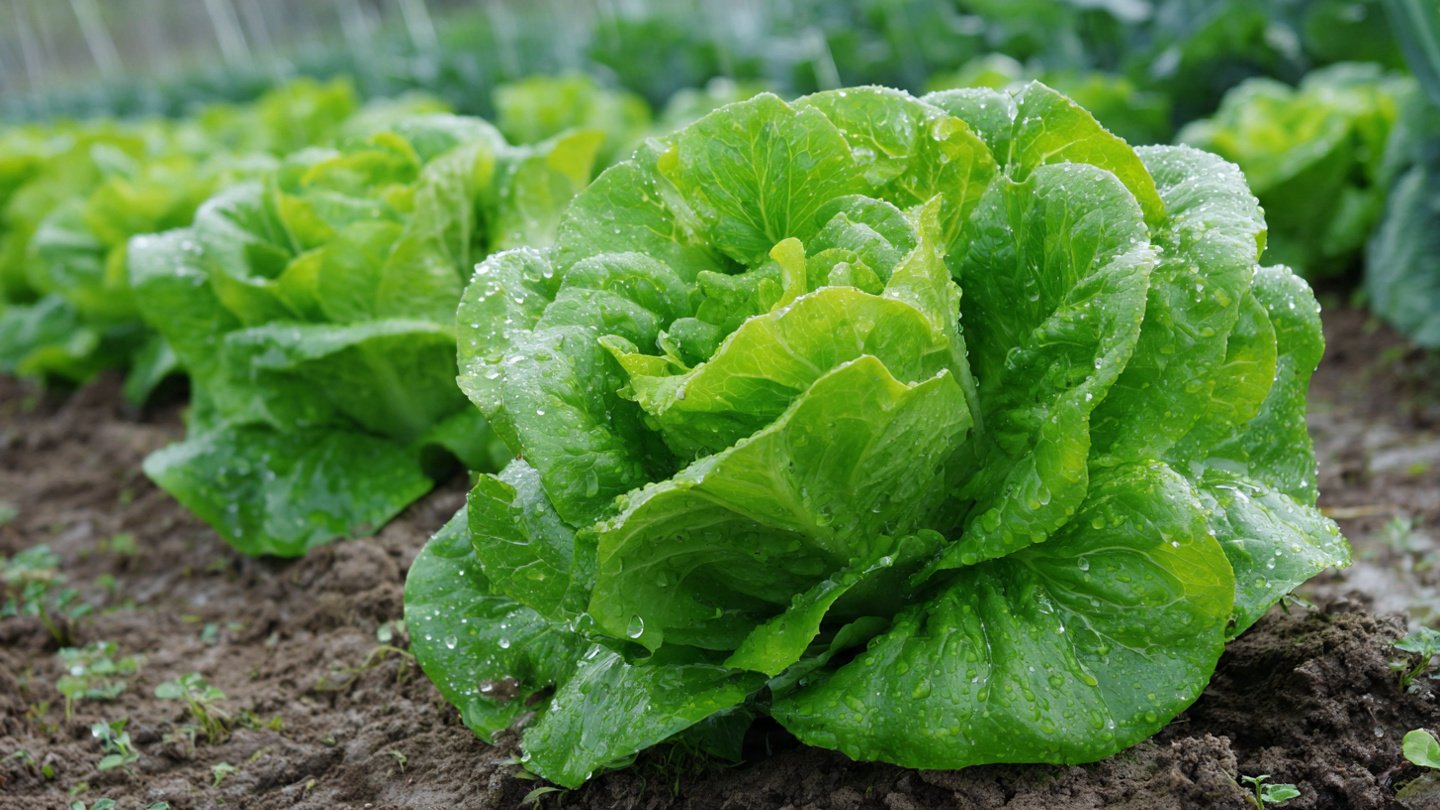
Lettuce (Lactuca sativa) is one of the most popular and versatile vegetables in home gardens, prized for its crisp leaves and delicate flavor. Whether you prefer romaine, butterhead, or leaf lettuce, nothing is more frustrating than watching your carefully nurtured plants bolt—sending up a flower stalk, turning bitter, and becoming inedible.
Fortunately, bolting is largely preventable with the right strategies. By understanding what triggers it and implementing effective gardening techniques, you can enjoy a bountiful, year-round harvest of fresh, tender lettuce.
Understanding Lettuce Bolting
Bolting occurs when a lettuce plant shifts from vegetative growth (leaves) to reproductive growth (flowers and seeds). While bolting is a natural part of the plant’s life cycle, it is undesirable for gardeners aiming for fresh, edible leaves.
Common causes of bolting:
- High temperatures: Lettuce is a cool-season crop; prolonged heat can trigger flowering.
- Day length: Some varieties are sensitive to long daylight hours and will bolt sooner.
- Stress: Water stress, nutrient deficiency, or sudden environmental changes can accelerate bolting.
- Plant maturity: Older plants naturally bolt once they reach a certain age.
Recognizing these triggers allows gardeners to take preventive measures and maintain leaf quality.
Step 1: Choosing the Right Lettuce Varieties
The first step in preventing bolting is selecting bolt-resistant varieties suited for your climate:
- Leaf lettuce varieties: ‘Buttercrunch,’ ‘Black Seeded Simpson,’ and ‘Oakleaf’ are known for slower bolting.
- Romaine varieties: ‘Parris Island Cos’ and ‘Valmaine’ tolerate heat better than other romaine types.
- Batavia and butterhead types: ‘Nevada’ and ‘Tom Thumb’ resist early flowering.
Planting bolt-resistant varieties significantly extends the harvesting window, even during warm weather.
Step 2: Timing and Succession Planting
Timing is critical to avoid the heat and long days that trigger bolting:
- Cool-season planting: Sow seeds in early spring or late summer for optimal growth.
- Fall planting: Plant lettuce in late summer for a fall harvest, avoiding summer heat stress.
- Succession planting: Sow seeds every 2–3 weeks to ensure a continuous harvest while older plants mature and bolt.
By staggering plantings, you maintain a consistent supply of tender leaves throughout the year.
Step 3: Providing Shade and Microclimate Control
Lettuce thrives in temperatures between 60–70°F (15–21°C). Excess heat is a major cause of bolting. You can prevent heat stress by:
- Using shade cloth: Install lightweight shade cloth over your lettuce beds during hot afternoons.
- Interplanting: Plant lettuce near taller crops like tomatoes or corn to provide partial shade.
- Container gardening: Grow lettuce in pots that can be moved to cooler, shaded areas as needed.
Microclimate management helps maintain cooler soil and leaf temperatures, delaying the onset of flowering.
Step 4: Watering and Soil Management
Stress from inconsistent watering can trigger bolting. Maintaining moist, fertile soil is essential:
- Water consistently: Lettuce requires even moisture; dry periods encourage bolting.
- Mulching: Apply organic mulch such as straw, shredded leaves, or compost to retain soil moisture and regulate temperature.
- Well-drained soil: Avoid waterlogged soil, which can cause root rot and stress.
A stable water supply keeps lettuce healthy, reducing stress-induced bolting.
Step 5: Fertilization
Nutrient availability directly influences lettuce growth and bolting:
- Nitrogen: Leafy growth is promoted by nitrogen-rich fertilizers; nitrogen deficiency can trigger premature bolting.
- Balanced fertilizer: Use a slow-release or liquid fertilizer to supply phosphorus and potassium for root and overall plant health.
- Organic amendments: Compost, worm castings, and seaweed extracts improve soil fertility while supporting sustained growth.
Healthy, well-nourished plants are less likely to bolt under environmental stress.
Step 6: Harvesting Techniques
Proper harvesting can delay bolting and encourage continuous leaf production:
- Cut-and-come-again method: Harvest outer leaves while leaving the inner leaves and growing point intact. This allows the plant to continue producing new leaves.
- Regular harvesting: Frequent picking reduces stress and stimulates new growth.
- Avoid damaging the crown: Cutting too close to the stem can weaken the plant and trigger flowering.
Consistent, careful harvesting maintains the plant in a vegetative state longer.
Step 7: Companion Planting
Strategically planting lettuce with compatible companions can reduce stress and enhance growth:
- Tall plants for shade: Corn, sunflowers, or beans can protect lettuce from harsh sunlight.
- Herbs: Dill, cilantro, and chives may deter pests that stress lettuce, indirectly preventing bolting.
- Groundcover crops: Low-growing herbs or clover can retain soil moisture and regulate temperature.
Companion planting creates a supportive garden ecosystem that reduces environmental stressors.
Step 8: Temperature Control and Season Extension
For year-round lettuce production, consider temperature management techniques:
- Cold frames and row covers: Protect lettuce from frost in winter and provide partial shade in summer.
- Greenhouses: Maintain ideal growing temperatures and humidity levels to prevent bolting.
- Indoor cultivation: Hydroponics or container gardening indoors ensures a controlled environment regardless of season.
Temperature control is a powerful tool to prevent premature flowering and extend the harvest season.
Step 9: Managing Day Length Sensitivity
Some lettuce varieties are sensitive to long days, which can trigger flowering:
- Select slow-bolting varieties for long summer days.
- Plant during shorter days: Early spring and late summer sowings are ideal.
- Artificial shading: Reduce perceived day length by providing shade during peak daylight hours.
Managing day length helps delay bolting, especially in regions with extended daylight during summer.
Step 10: Pest and Disease Prevention
Stressed lettuce plants are more prone to pests and diseases, which can accelerate bolting:
- Common pests: Aphids, leaf miners, and slugs.
- Common diseases: Downy mildew, powdery mildew, and bacterial leaf spot.
- Prevention: Regularly inspect plants, remove damaged leaves, and encourage beneficial insects like ladybugs.
- Organic control: Use neem oil, insecticidal soap, or diatomaceous earth to manage pests without stressing the plants.
Healthy, pest-free lettuce remains in a vegetative state longer, producing more edible leaves.
Step 11: Techniques for Continuous Harvest
To maintain a year-round supply of lettuce:
- Succession planting: Plant new seeds every 2–3 weeks.
- Cut-and-come-again: Harvest outer leaves regularly to prolong plant life.
- Microclimate management: Use shade and mulch to reduce heat stress.
- Temperature management: Use row covers, cold frames, or greenhouses for off-season growing.
By combining these strategies, gardeners can enjoy a continuous supply of fresh, tender lettuce.
Advantages of Preventing Bolting
- Extended harvest: Maximizes the productive lifespan of each plant.
- Better flavor: Avoids bitterness associated with bolting leaves.
- Higher yield: Continuous vegetative growth produces more edible leaves over time.
- Cost-effective: Reduces the need for frequent replanting.
- Gardening satisfaction: Healthy, lush plants are visually appealing and rewarding.
Preventing bolting is the key to a productive, enjoyable lettuce garden.
Step 12: Year-Round Lettuce Gardening
With careful planning, gardeners can enjoy fresh lettuce throughout the year:
- Winter: Use cold frames, greenhouses, or indoor cultivation.
- Spring: Direct sow seeds outdoors or transplant seedlings.
- Summer: Use shade cloths, mulch, and heat-tolerant varieties.
- Fall: Sow quick-maturing varieties for a late-season harvest.
By adjusting strategies for each season, it’s possible to maintain a steady supply of fresh, crisp lettuce year-round.
Conclusion
Lettuce bolting is a common challenge for gardeners, but it is preventable with the right techniques. By selecting bolt-resistant varieties, optimizing planting schedules, providing shade and consistent water, and practicing cut-and-come-again harvesting, you can maintain healthy plants and enjoy bountiful harvests year-round.
Additionally, companion planting, temperature management, and pest control reduce plant stress and further delay bolting. With patience and strategic care, your lettuce garden can thrive, providing crisp, flavorful leaves for months on end.
Preventing bolting is not only about improving yield; it’s about creating a sustainable, resilient garden that produces high-quality, nutritious vegetables consistently. Whether you are a beginner or an experienced gardener, implementing these strategies ensures that your lettuce garden remains productive, vibrant, and full of life throughout the year.