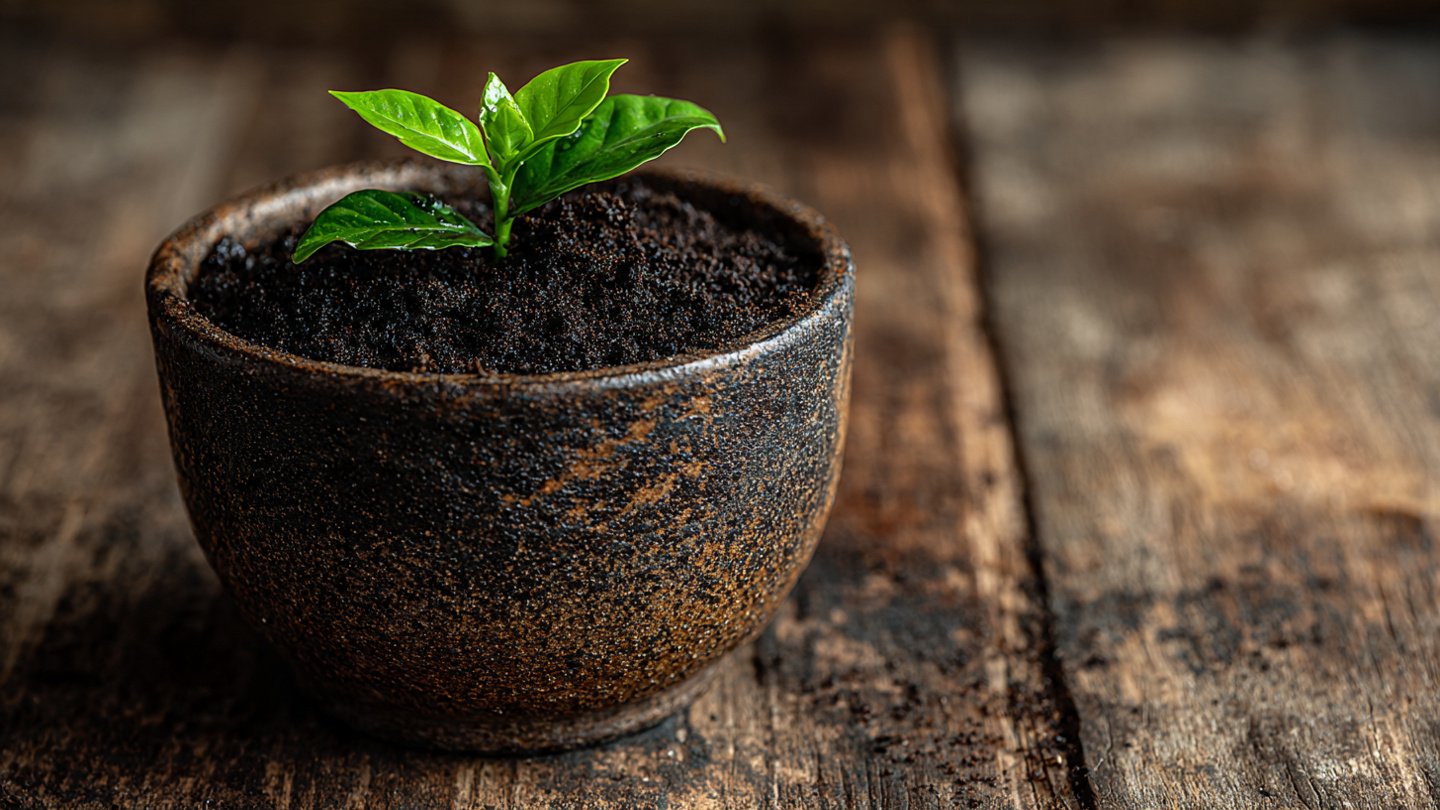
Coffee is a daily ritual for millions, but few realize that the used coffee grounds left in your cup have tremendous benefits for your garden. Instead of throwing them away, you can recycle coffee grounds to improve soil health, boost plant growth, and even deter pests. From enriching soil nutrients to enhancing compost, coffee grounds are a sustainable and natural resource that every gardener can use. This guide explores the many ways coffee grounds can transform your garden and offers practical tips for incorporating them safely and effectively.
Nutrient-Rich Soil Amendment
Coffee grounds are packed with organic matter and nutrients that improve soil fertility. They are particularly rich in nitrogen, an essential element for healthy plant growth, as well as small amounts of phosphorus and potassium.
How Coffee Grounds Help Soil:
- Improve soil structure by increasing aeration
- Enhance water retention in sandy soils
- Provide slow-release nutrients for plants
Using coffee grounds as a soil amendment is especially beneficial for leafy vegetables, flowers, and acid-loving plants like tomatoes, azaleas, and blueberries.
Using Coffee Grounds as Compost
Coffee grounds are an excellent “green” component for composting because of their high nitrogen content. When added to a compost pile, they help balance carbon-rich materials like dry leaves, straw, or shredded paper.
Composting Tips:
- Mix used coffee grounds with dry materials in a 1:2 ratio
- Turn the compost regularly to ensure even decomposition
- Avoid adding too many grounds at once, as they can become compacted and slow down composting
The result is nutrient-rich compost that feeds your plants and improves soil health naturally.
Natural Fertilizer for Your Plants
Beyond composting, coffee grounds can be applied directly to garden soil as a gentle fertilizer.
Application Tips:
- Sprinkle thin layers of coffee grounds around the base of plants
- Mix them lightly into the topsoil to prevent clumping
- Avoid thick layers that may repel water or create mold
Regular use of coffee grounds provides a slow-release source of nitrogen, encouraging greener foliage and stronger growth.
Acidifying Soil for Acid-Loving Plants
Coffee grounds are slightly acidic, making them ideal for acid-loving plants such as:
- Blueberries
- Rhododendrons
- Azaleas
- Camellias
- Tomatoes
How to Apply:
- Mix grounds into soil or top-dress around the plant
- Monitor soil pH periodically if using large amounts
This natural acidity helps maintain the nutrient availability and vibrant growth of these plants.
Repelling Garden Pests
Coffee grounds can act as a mild deterrent for certain pests in your garden.
Pests Repelled by Coffee Grounds:
- Slugs and snails: The texture and caffeine can discourage them
- Cats: Sprinkling coffee grounds around plants can help keep them out of garden beds
Application Tips:
- Spread used coffee grounds as a thin border around plants
- Avoid direct contact with seedlings, which may be sensitive
While not a foolproof solution, coffee grounds are a natural, chemical-free way to reduce pest damage.
Enhancing Earthworm Activity
Earthworms are natural soil enhancers, improving aeration and nutrient availability. Coffee grounds attract earthworms, providing them with a food source that encourages their activity.
Benefits of Earthworm Activity:
- Improved soil structure
- Faster decomposition of organic matter
- Nutrient-rich castings that act as a natural fertilizer
Mixing coffee grounds lightly into the soil or compost encourages these helpful organisms to thrive in your garden.
Mulching with Coffee Grounds
Coffee grounds can be used as a light mulch for garden beds. Mulching helps retain moisture, suppress weeds, and regulate soil temperature.
Mulching Tips:
- Apply a thin layer (less than ½ inch) of coffee grounds around plants
- Mix with other mulch materials, like straw or leaves, to prevent compaction
- Avoid heavy layers, which may create a water-resistant crust
This approach keeps the soil healthy and prevents waste by repurposing kitchen scraps.
Indoor Plant Benefits
Coffee grounds aren’t just for outdoor gardens; they can also improve indoor plant growth.
Indoor Applications:
- Add a small pinch of coffee grounds to potted plants for nutrients
- Mix into potting soil for acid-loving houseplants
- Combine with composted organic matter to improve soil texture
Use sparingly indoors to prevent over-acidifying the soil or attracting unwanted insects.
Environmental and Economic Benefits
Using coffee grounds in the garden reduces waste and contributes to sustainable gardening practices.
Advantages:
- Reduces landfill waste by recycling kitchen scraps
- Cuts down on chemical fertilizer use
- Saves money while providing natural plant nutrients
Coffee grounds are an eco-friendly solution that turns everyday waste into garden gold.
Practical Tips for Using Coffee Grounds Safely
While coffee grounds are beneficial, excessive use or improper application can cause issues.
Safety Tips:
- Avoid thick layers on soil, which may create mold or repel water
- Combine with other organic materials in compost or mulch
- Monitor soil pH when using large quantities for acid-sensitive plants
- Use dry grounds if storing for long periods to prevent mold
Balanced, careful use ensures maximum benefits without harming your plants.
Creative Ways to Use Coffee Grounds in the Garden
Beyond the basic uses, coffee grounds can be incorporated in innovative ways:
- Seedling starter mix: Mix with soil to give young plants a nutrient boost
- Garden sprays: Brew weak coffee and use it as a foliar feed
- Pathways: Spread lightly on soil paths to deter slugs while enriching the soil over time
- Compost tea: Steep grounds in water and pour over plants as a gentle liquid fertilizer
Experimenting with these methods can increase productivity and keep your garden vibrant.
Final Thoughts
Coffee grounds are more than just a byproduct of your morning cup—they are a versatile, natural resource for the garden. From improving soil fertility and composting to repelling pests and enhancing plant growth, their benefits are numerous. By using coffee grounds responsibly, gardeners can reduce waste, save money, and create healthier, more productive gardens. With consistent use, these everyday kitchen scraps can transform your garden into a thriving, sustainable oasis.