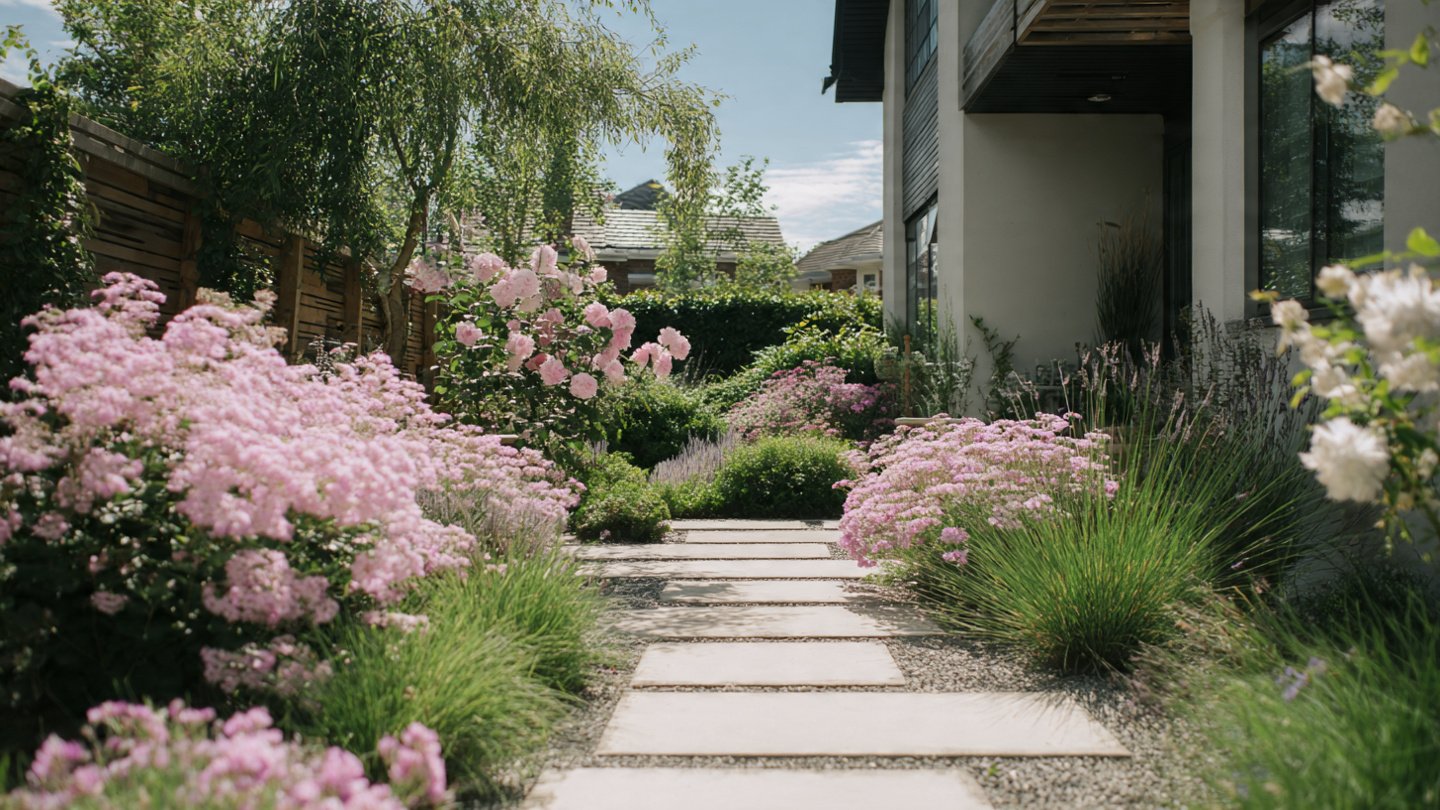
Designing a modern garden doesn’t have to mean expensive landscaping, complicated layouts, or an endless list of plants. In fact, minimalism is at the heart of modern garden design. By carefully selecting just a few unique plants, you can transform your outdoor space into a striking, contemporary oasis. Whether you have a balcony, backyard, or rooftop, this guide will show you how to create a modern garden using just five plants that make a statement while requiring minimal maintenance.
1. Embrace the Principles of a Modern Garden
Modern gardens are defined by simplicity, clean lines, and intentional use of space. Here are a few key principles to keep in mind:
- Minimalism: Focus on fewer plants but choose varieties that create a bold visual impact.
- Geometry and Structure: Use symmetrical layouts, straight lines, and defined borders to maintain a sleek appearance.
- Texture and Contrast: Combine plants with different leaf shapes, colors, and heights to create visual interest.
- Low Maintenance: Opt for hardy plants that require less frequent care while still looking fresh year-round.
With these principles in mind, the right plant selection is the cornerstone of a successful modern garden.
2. Choosing the Right Five Unique Plants
The idea of a five-plant garden might seem limiting, but carefully chosen species can provide variety, texture, and seasonal interest. Here are five plants that are ideal for a modern garden:
a. Boxwood (Buxus spp.)
Boxwood is a classic choice for modern gardens because of its clean, sculptural appearance. Its dense foliage allows you to create topiaries, geometric shapes, or low hedges that define spaces. Boxwood thrives in full sun to partial shade and adapts well to container planting. Regular pruning keeps it neat and structured, making it perfect for minimalistic designs.
b. Ornamental Grasses (e.g., Festuca glauca or Pennisetum)
Ornamental grasses add movement, texture, and a natural softness that contrasts beautifully with structured plants like boxwood. Varieties like blue fescue or fountain grass are ideal for modern gardens. They require minimal care, tolerate drought, and provide a dynamic element as their leaves sway with the wind, creating a sense of life and rhythm in your garden.
c. Succulents (e.g., Agave or Aloe)
Succulents are low-maintenance, sculptural, and striking. Agave and aloe species, in particular, offer bold shapes that become natural focal points. Their architectural forms complement the clean lines of a modern design, and their tolerance for dry conditions makes them ideal for urban balconies or rooftop gardens. Grouping a few succulents together in decorative containers can enhance visual impact without overcrowding the space.
d. Japanese Maple (Acer palmatum)
A Japanese maple adds elegance, color, and seasonal interest to a modern garden. Its delicate leaves and striking autumn colors provide contrast against evergreen foliage and grasses. Compact varieties are suitable for small spaces, and their natural, airy form softens the rigid lines of modern garden layouts. Planted strategically, a Japanese maple can serve as a stunning focal point in your minimalist design.
e. Flowering Perennials (e.g., Lavender or Salvia)
A pop of color adds vibrancy and seasonal variation to your modern garden. Lavender or salvia is perfect because they are hardy, aromatic, and attract pollinators. Their linear growth and tidy form work well in minimalist spaces, while their blooms introduce texture and subtle color that complements other structural plants. Additionally, lavender thrives in sunny locations with well-draining soil, making it practical for various garden setups.
3. Planning Your Layout
Even with only five plants, careful planning is essential for a cohesive modern look:
- Focal Point: Choose one plant, like a Japanese maple or a large succulent, as the garden’s centerpiece.
- Layering: Arrange plants by height and texture—taller plants in the back or center, medium ones around, and low-growing perennials near the edges.
- Spacing: Give each plant room to grow naturally. Minimalism relies on negative space to let each plant shine.
- Containers vs. Ground Planting: Depending on your space, use raised beds or decorative containers to elevate plants and create clean lines.
By keeping symmetry, repetition, and spacing in mind, your garden will look intentional and polished, even with a minimal plant palette.
4. Color, Texture, and Seasonal Interest
Modern gardens benefit from subtle contrasts and textures rather than a chaotic explosion of colors. Consider:
- Foliage color: Mix green shades with silver, blue, or burgundy tones for visual interest.
- Leaf texture: Combine spiky succulents, soft grasses, and smooth boxwood for a multi-dimensional look.
- Seasonal blooms: Perennials like lavender provide seasonal color, while Japanese maple adds autumnal beauty.
This approach ensures your modern garden is visually appealing year-round, without overcrowding or visual clutter.
5. Maintenance Tips for a Modern Garden
Minimalism doesn’t mean neglect. Regular maintenance keeps your garden looking sleek:
- Pruning: Trim boxwood and flowering perennials to maintain structure.
- Watering: Group plants with similar water requirements. Succulents need minimal water, while perennials may need more frequent irrigation.
- Fertilization: Use slow-release or organic fertilizers to support plant growth without creating excessive maintenance work.
- Pest Management: Keep an eye out for common pests, and use eco-friendly solutions like neem oil or insecticidal soap when needed.
Keeping your modern garden tidy reinforces its minimalist aesthetic while promoting healthy growth.
6. Accessorizing Your Space
Even in a minimalist garden, a few accessories can enhance the modern feel:
- Planters: Use sleek, geometric containers in neutral tones like black, gray, or white.
- Pathways: Incorporate stone slabs or gravel paths to define areas without cluttering the space.
- Lighting: Subtle garden lights highlight architectural plants at night, creating a serene atmosphere.
- Furniture: Add minimal seating or a small bench for relaxation without compromising open space.
Accessories should enhance the garden’s simplicity rather than compete with your five unique plants.
7. Benefits of a Five-Plant Modern Garden
Limiting your garden to five plants has several advantages:
- Simplicity: Easy to maintain and visually appealing.
- Cost-effective: Fewer plants mean lower costs for soil, fertilizers, and irrigation.
- Focus: Each plant becomes a feature, creating a curated and intentional design.
- Space-efficient: Ideal for small balconies, rooftops, and urban gardens.
By carefully choosing plants that combine structure, color, and texture, your garden can make a big impact with minimal effort.
Conclusion
Creating a modern garden using just five unique plants is both achievable and transformative. By embracing minimalist principles, selecting structural and visually striking plants like boxwood, ornamental grasses, succulents, Japanese maple, and flowering perennials, and planning your layout carefully, you can turn any outdoor space into a stylish, contemporary retreat. With a focus on simplicity, texture, and intentional design, even small balconies or rooftops can become urban oases.
A modern garden isn’t about having the most plants; it’s about having the right ones, thoughtfully arranged. So, take these five plants, apply the principles of minimalism, and watch as your outdoor space transforms into a sleek, serene, and inviting modern garden.