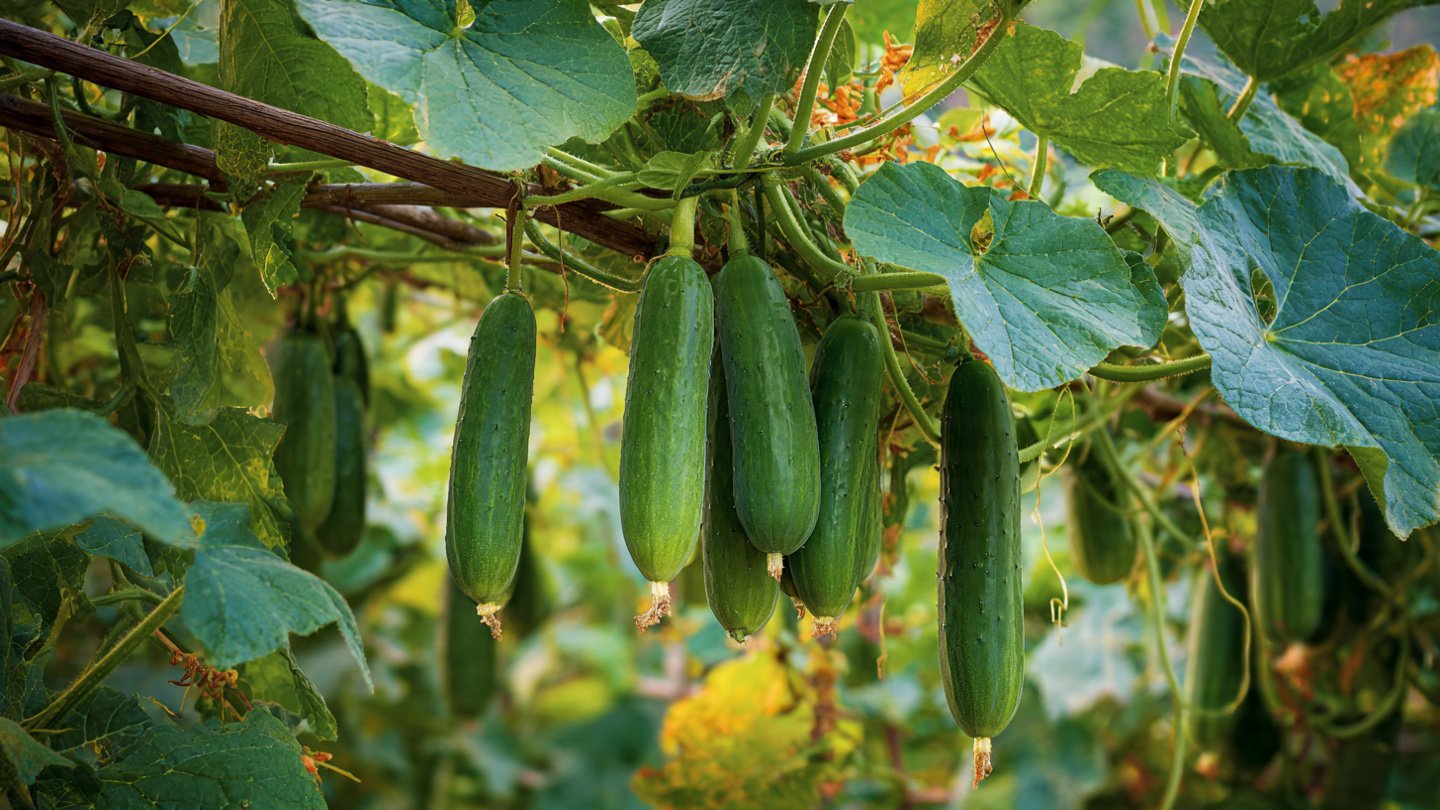
Cucumbers are one of the most satisfying vegetables to grow at home. They are crisp, refreshing, and incredibly versatile in the kitchen. The best part? With the right techniques, even gardeners with limited space—balconies, patios, or small backyard plots—can enjoy a bountiful cucumber harvest. By combining smart planting methods, proper care, and vertical growing techniques, you can turn a small area into a productive cucumber garden.
This guide provides step-by-step tips to grow high-yield cucumbers in small spaces and make your harvesting easy and abundant.
Why Grow Cucumbers at Home?
Homegrown cucumbers are fresher and more flavorful than store-bought ones. They are free from harmful pesticides and preservatives, and harvesting them straight from your garden ensures peak crunch and taste. Growing cucumbers at home is also cost-effective—just a few plants can produce a steady supply of fruit throughout the season.
For small-space gardeners, cucumbers are ideal because they are vining plants that can grow vertically, making efficient use of limited areas. Even a balcony or small patio can support a productive cucumber crop with the right setup.
Choosing the Right Cucumber Varieties
Selecting the right variety is crucial for high yields in small spaces. There are two main types:
- Bush Cucumbers – These are compact plants that stay small and produce fruit without support. They are perfect for containers and small gardens. Varieties like ‘Bush Champion’ or ‘Patio Snacker’ are ideal.
- Vining Cucumbers – These are classic cucumber plants that climb and require trellises or support structures. Varieties like ‘Marketmore’ or ‘Lemon Cucumbers’ produce more fruit and are well-suited for vertical growing.
For maximum production in a limited area, vining varieties grown vertically often yield the most cucumbers per square foot.
Starting Seeds and Transplants
Cucumbers are sensitive to cold, so start seeds indoors 3–4 weeks before the last expected frost if you live in a cooler climate. Use seed trays or small pots with well-draining potting soil. Keep the soil moist and warm (70–80°F / 21–27°C) to encourage germination.
Once seedlings develop 2–3 true leaves, they can be transplanted into larger pots or garden beds. Harden off seedlings by gradually exposing them to outdoor conditions for 7–10 days before planting them outside.
Container and Soil Requirements
For small spaces, container gardening is a game-changer. Cucumbers grow well in pots, grow bags, or raised beds. Choose containers that are at least 12–18 inches deep with good drainage holes.
Use a rich, well-draining soil mix. Combine garden soil, compost, and a small amount of sand or perlite to keep it light and airy. Cucumbers are heavy feeders, so adding compost or organic fertilizer ensures healthy growth and abundant fruit.
Vertical Growing for Maximum Yield
Vertical growing is the key to high yields in small spaces. Cucumbers naturally vine and can climb trellises, fences, or even strings attached to hooks. Vertical growing offers several advantages:
- Saves space by using height instead of width.
- Reduces fruit rot by keeping cucumbers off the ground.
- Improves air circulation, which reduces fungal diseases.
- Makes harvesting easier, as fruit hangs visibly and is easy to pick.
Trellises can be made from wood, metal, or even repurposed materials. Ensure the structure is sturdy enough to support mature plants laden with fruit.
Watering and Mulching
Cucumbers require consistent moisture to grow well and produce crisp fruits. Water deeply 1–2 times per week, depending on weather and container size. Avoid overhead watering, which can promote leaf diseases; instead, water at the base of the plant.
Mulching around the base helps retain soil moisture, keeps roots cool, and reduces weed growth. Organic mulches like straw or shredded leaves work well for cucumbers.
Fertilization for High Yields
Cucumbers are nutrient-hungry plants, especially when fruiting. Feed plants regularly with balanced organic fertilizers or compost tea. A typical schedule includes:
- Fertilizer at planting time to establish strong roots.
- Side dressing with compost or liquid fertilizer every 2–3 weeks during active growth.
- Additional feeding when flowers appear to support fruit set and development.
Avoid over-fertilizing nitrogen-heavy fertilizers, as this can result in lots of leafy growth but fewer cucumbers.
Pruning and Training
Pruning cucumber vines is important for high production in small spaces. Remove yellowing or damaged leaves to improve airflow. For vining varieties, train side shoots to climb the trellis and prevent overcrowding.
Regularly check for flowers and developing fruit. Pinch off small fruits if there are too many on a single vine—this ensures the remaining cucumbers grow larger and healthier.
Pest and Disease Management
Even in small spaces, cucumbers can attract pests like aphids, cucumber beetles, and spider mites. Fungal issues like powdery mildew can also occur.
- Inspect plants regularly for pests. Remove insects by hand or use organic sprays such as neem oil.
- Provide good air circulation around vertical plants to prevent disease.
- Avoid wetting leaves while watering to reduce fungal problems.
Healthy, well-fed, and properly spaced plants are naturally more resistant to pests and diseases.
Harvesting Cucumbers
Cucumbers grow fast and can be harvested in 50–70 days, depending on the variety. For best flavor and texture, pick cucumbers when they are firm and uniformly green. Leaving them on the vine too long can result in bitter or overgrown fruit.
Regular harvesting encourages the plant to produce more. For continuous harvest, check your vines every 2–3 days during peak season.
Tips for Continuous Production
- Succession planting: Sow seeds every 2–3 weeks to ensure a steady supply.
- Rotate containers: If space allows, rotate pots or beds to avoid soil nutrient depletion.
- Companion planting: Grow cucumbers near beans, radishes, or lettuce to maximize space and deter pests.
By following these strategies, even a small balcony or patio can produce a surprisingly large cucumber harvest throughout the season.
Final Thoughts
Growing cucumbers in small spaces is entirely achievable with proper planning, vertical gardening, and attentive care. By selecting the right varieties, providing consistent water and nutrients, and training vines on trellises, you can enjoy crisp, homegrown cucumbers without needing a large garden.
With these tips, harvesting cucumbers becomes easy, rewarding, and consistent—allowing you to enjoy fresh salads, pickles, and snacks straight from your own space.