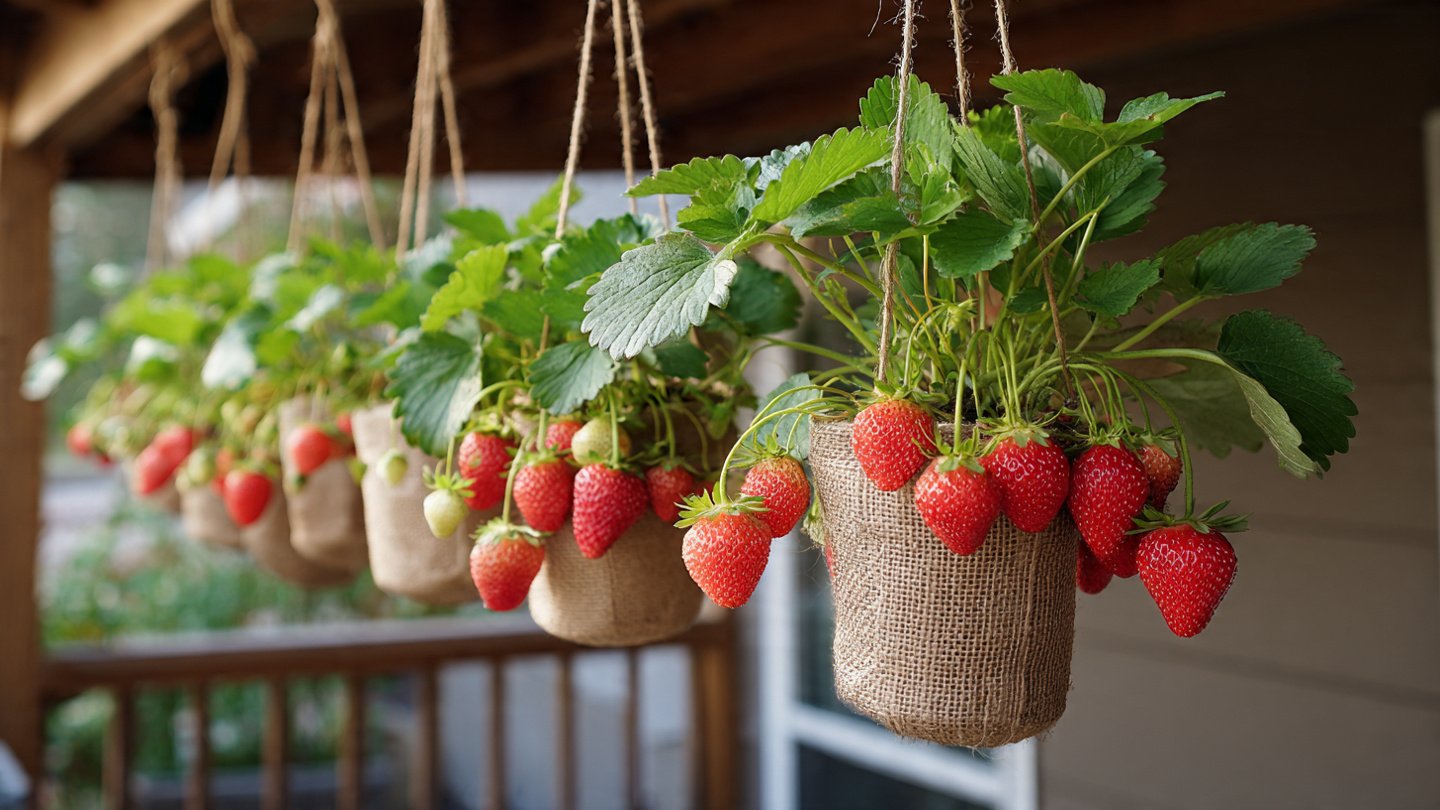
Growing strawberries at home is a dream for many gardening enthusiasts, but limited space often prevents people from cultivating these sweet, juicy fruits. Traditional garden beds require significant room, making it challenging for apartment dwellers or those with small yards. Fortunately, innovative hanging strawberry pots and vertical gardening solutions offer a practical and creative way to maximize space while achieving a bountiful harvest.
This comprehensive guide explores how to use hanging pots effectively, the best practices for planting strawberries, and tips to ensure your vertical strawberry garden thrives throughout the season.
Why Choose Hanging Strawberry Pots?
Hanging strawberry pots are more than just a space-saving solution—they offer multiple advantages for both the gardener and the plants:
- Space Efficiency: Vertical gardens allow you to grow more plants in a smaller footprint, making them perfect for balconies, patios, and small yards.
- Healthier Plants: Elevating strawberries improves air circulation, reduces soil-borne diseases, and protects fruits from pests like slugs or snails.
- Ease of Maintenance: Hanging pots are easier to water, fertilize, and harvest without bending or kneeling.
- Aesthetic Appeal: Vertical strawberry gardens add visual interest, turning edible plants into living decor.
With these benefits, hanging pots make strawberry cultivation accessible, even in compact living spaces.
Choosing the Right Hanging Strawberry Pots
The choice of container is critical for healthy growth and maximum fruit production. Consider these factors when selecting pots:
- Material:
- Plastic or resin pots are lightweight, durable, and retain moisture well.
- Fabric grow bags provide excellent drainage and airflow to roots.
- Ceramic or terracotta pots offer aesthetic appeal but are heavier and dry out faster.
- Size:
- Each pot should hold at least 6–8 inches of soil depth for healthy root development.
- Multi-tier or stackable pots allow for more plants in vertical arrangements.
- Design:
- Pots with side pockets or multi-level tiers maximize the number of plants in a small area.
- Ensure the container has adequate drainage holes to prevent root rot.
Selecting the Best Strawberry Varieties for Hanging Pots
Not all strawberry varieties are ideal for vertical gardens. Choose types that thrive in containers and produce abundant fruit:
- Ever-bearing varieties: Produce fruit continuously from late spring to fall. Examples: ‘Seascape,’ ‘Albion.’
- Day-neutral varieties: Yield berries regardless of day length and offer a long harvest period.
- Compact varieties: Perfect for small pots; their smaller size suits tiered and hanging arrangements.
Selecting the right variety ensures a continuous harvest and healthier plants.
Soil Preparation for Optimal Growth
Healthy strawberries require nutrient-rich, well-draining soil:
- Use a potting mix enriched with compost for fertility.
- Add perlite or vermiculite to improve drainage.
- Maintain a slightly acidic pH of 5.5 to 6.5, which strawberries prefer.
- Avoid garden soil directly in pots, as it can compact and harbor pests.
Proper soil preparation ensures strong roots, lush foliage, and juicy berries.
Planting Strawberries in Hanging Pots
Planting strawberries correctly is key to a thriving vertical garden:
- Position the crown: The strawberry crown should sit just above the soil level, not buried.
- Spacing: For side-pocket pots, place one plant per pocket; for multi-tier containers, leave enough room for leaves to spread.
- Watering after planting: Water gently to help plants settle and prevent air pockets around roots.
- Orientation: Hang pots where plants receive 6–8 hours of sunlight daily.
Correct planting maximizes growth and fruiting potential.
Watering and Moisture Management
Hanging strawberry pots dry out faster than ground beds, so consistent watering is critical:
- Water frequently, keeping soil moist but not waterlogged.
- Water at the base of the plant to prevent fungal diseases on leaves and fruit.
- Mulch the soil surface with straw or coco coir to retain moisture.
- Consider self-watering pots or drip irrigation for high-maintenance vertical setups.
Adequate hydration ensures tender, sweet strawberries.
Fertilizing for Abundant Fruit
Container strawberries rely entirely on the nutrients in their soil. To encourage flowering and fruiting:
- Use a balanced, slow-release fertilizer at planting.
- Apply liquid organic fertilizer every 2–3 weeks during the growing season.
- Avoid excessive nitrogen, which encourages leafy growth at the expense of flowers and fruit.
- Incorporate compost tea to boost microbial activity and nutrient availability.
Regular feeding supports vigorous growth and maximum berry production.
Supporting Strawberry Plants in Hanging Pots
Even in pots, strawberries benefit from structural support:
- Use trellises or netting for trailing varieties to prevent stems from breaking.
- Remove runners (long offshoots) if the goal is fruit rather than plant expansion.
- Keep leaves and fruit elevated to reduce the risk of rot and pest damage.
Supporting plants ensures clean, healthy berries and more consistent yields.
Pest and Disease Management in Vertical Gardens
Hanging strawberries are less prone to soil-borne pests, but they can still face challenges:
- Common pests: Aphids, spider mites, and whiteflies.
- Preventive measures: Inspect plants regularly, use neem oil or insecticidal soap, and encourage natural predators.
- Disease prevention: Ensure adequate airflow, avoid overhead watering, and remove diseased leaves promptly.
Healthy plants in well-maintained pots thrive with minimal intervention.
Creative Arrangements to Maximize Space
Vertical gardening offers opportunities for innovative designs:
- Tiered Hanging Pots: Stack multiple pots vertically, allowing several layers of strawberries in a small area.
- Wall-Mounted Planters: Utilize vertical wall space with pockets or shelves for individual plants.
- Hanging Baskets: Traditional baskets work well for trailing varieties, creating a lush, cascading effect.
- DIY Pallet Gardens: Reuse wooden pallets with pockets for strawberry plants, saving space and adding charm.
These arrangements make strawberry gardening both functional and visually appealing.
Harvesting Strawberries from Vertical Gardens
Harvesting properly ensures continuous fruit production:
- Pick berries when fully red and firm.
- Harvest every 2–3 days to prevent overripe fruit from spoiling.
- Handle berries gently to avoid bruising, especially when using hanging arrangements.
- Encourage successive fruiting by removing old flowers and promoting new blooms.
Frequent harvesting keeps plants productive and maximizes yield.
Benefits of Vertical Strawberry Gardening
Using hanging pots for strawberries provides:
- Efficient use of small spaces without compromising yield
- Healthier plants with reduced disease risk
- Continuous access to fresh, homegrown berries
- Aesthetic enhancement of balconies, patios, and small yards
- Educational and fun gardening experience for families
Vertical strawberry gardens combine practicality, productivity, and beauty in one solution.
Final Thoughts
Hanging strawberry pots and vertical gardening make growing these delicious fruits possible even in limited spaces. By selecting the right containers, varieties, and soil, maintaining consistent watering and fertilization, and managing pests effectively, you can create a thriving vertical garden that produces sweet, tender strawberries throughout the season.
Beyond just space efficiency, vertical strawberry gardening transforms your home or balcony into a lush, productive, and visually striking green oasis. With creativity, care, and attention to detail, you can enjoy the ultimate convenience of fresh, homegrown strawberries without the need for a traditional garden bed.