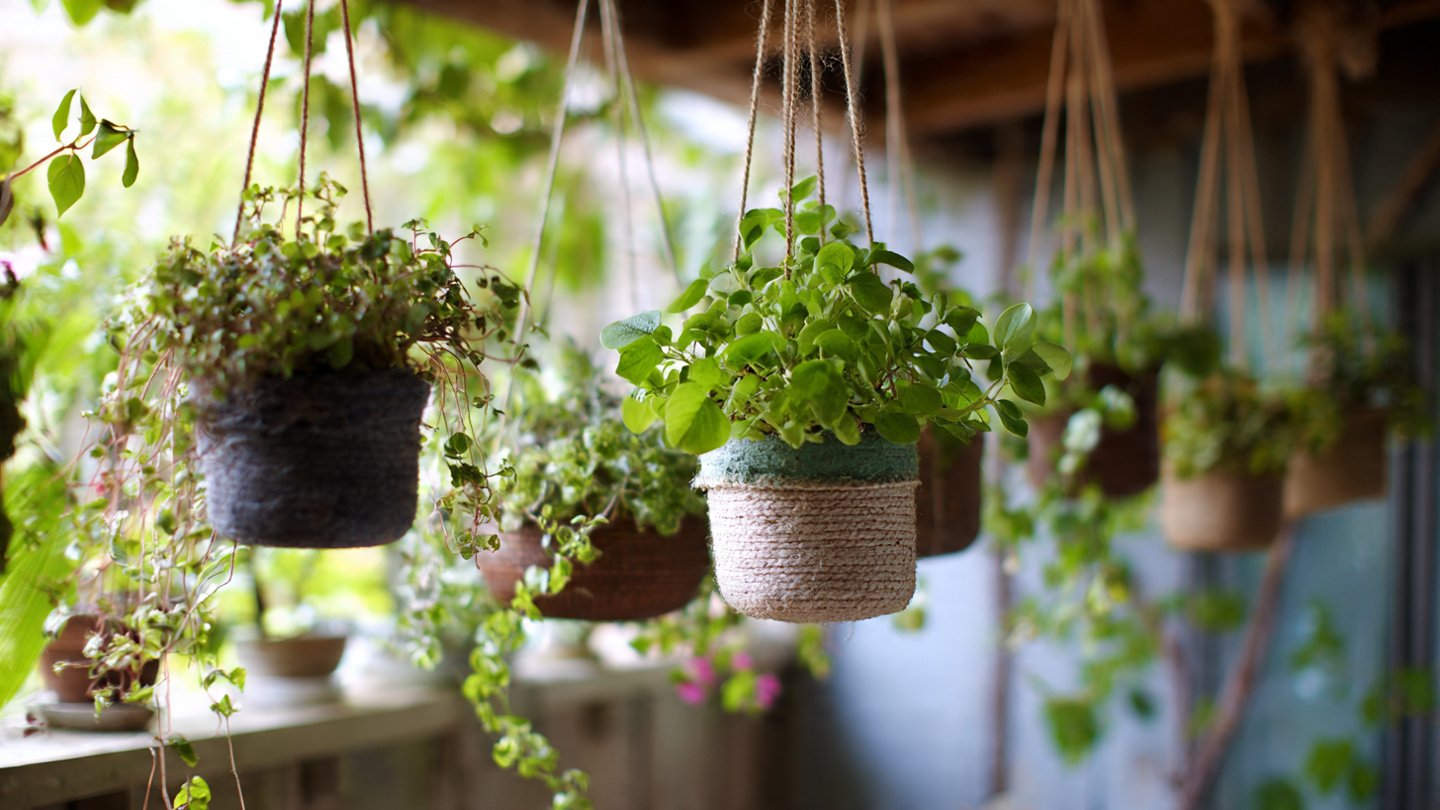
Urban living and limited outdoor space no longer need to stop you from enjoying a vibrant, green environment. Hanging gardens offer an ingenious way to bring life, color, and tranquility into small areas such as balconies, patios, kitchen windows, or even indoor corners. With vertical planting techniques, you can maximize your space while creating a visually stunning and environmentally beneficial sanctuary.
This complete guide will walk you through the steps of designing, planting, and maintaining a thriving hanging garden, along with practical tips for choosing plants, containers, and care routines. Whether you’re a beginner or an experienced gardener, you can turn even the tiniest spaces into lush green retreats.
Why Choose a Hanging Garden?
Hanging gardens are more than just decorative. They offer several advantages, especially for small spaces:
- Space Efficiency: Vertical planting frees up floor space, allowing you to grow more plants in a limited area.
- Improved Air Quality: Plants naturally filter pollutants, reduce dust, and increase oxygen levels, creating a healthier living environment.
- Aesthetic Appeal: Cascading foliage and vibrant flowers add texture, color, and life to otherwise dull spaces.
- Pest and Disease Management: Elevating plants reduces their contact with soil-borne pests and fungal infections.
- Psychological Benefits: Studies show that greenery and indoor plants reduce stress, boost mood, and improve focus.
With the right design, a hanging garden can serve as both a practical growing space and a beautiful sanctuary in urban environments.
Step 1: Choosing the Right Location
Before creating a hanging garden, assess your available space:
- Sunlight: Most plants thrive with 4–6 hours of sunlight daily. Consider areas near windows, balconies, or walls that receive indirect light.
- Accessibility: Place your hanging garden where watering, pruning, and harvesting are easy.
- Structural Support: Ensure the ceiling, wall, or balcony railing can support the weight of containers filled with soil and water.
A well-chosen location maximizes plant growth and simplifies maintenance.
Step 2: Selecting Containers for Hanging Gardens
The type of container determines the health and productivity of your hanging plants:
- Hanging Pots and Baskets: Perfect for flowers, herbs, and trailing plants. Ensure they have drainage holes to prevent waterlogging.
- Wall-mounted Planters: Ideal for vertical gardens. Use pockets, modular systems, or recycled materials like wooden crates.
- Repurposed Items: Old plastic bottles, jars, or tin cans can be converted into creative hanging planters.
Consider lightweight materials for easy handling and ensure proper drainage to prevent root rot.
Step 3: Choosing Plants for a Hanging Garden
Selecting the right plants is critical for a thriving garden. Consider growth habit, light requirements, and maintenance:
Edible Options
- Herbs: Basil, mint, thyme, rosemary, and parsley grow well in containers.
- Vegetables: Cherry tomatoes, lettuce, and spinach can thrive in hanging gardens.
- Fruits: Strawberries are ideal for cascading growth.
Ornamental Plants
- Trailing Plants: Ivy, pothos, and creeping jenny create lush greenery.
- Flowering Plants: Petunias, fuchsias, and geraniums add color and fragrance.
- Succulents: Sedums and echeverias require minimal maintenance and are perfect for vertical setups.
Choose a mix of plants that complement each other in color, texture, and care requirements.
Step 4: Preparing the Soil
Healthy soil is the foundation of a successful hanging garden:
- Use lightweight potting mix rather than garden soil to ensure proper drainage and reduce weight.
- Mix in organic compost to supply nutrients for growing plants.
- Consider adding perlite or vermiculite to improve aeration and prevent compaction.
Good soil promotes strong root growth, improves water retention, and reduces the risk of disease.
Step 5: Planting Techniques
Proper planting ensures that your hanging garden thrives:
- Fill the container with soil, leaving 1–2 inches from the top.
- Gently remove plants from nursery pots, loosen the roots, and place them in the soil.
- Ensure the crown or base of the plant sits at soil level to avoid stem rot.
- Water immediately to settle the soil and eliminate air pockets.
Arrange taller plants at the back or top and trailing plants to cascade over edges for a layered, visually appealing design.
Step 6: Watering and Nutrient Management
Hanging gardens dry out faster than ground-level gardens, so consistent care is essential:
- Watering: Keep soil consistently moist but not soggy. Water at the base rather than spraying leaves to reduce fungal issues.
- Fertilizing: Use liquid organic fertilizers every 2–4 weeks for continuous growth and flowering.
- Mulching: Light mulch or coco coir can help retain moisture and regulate temperature.
Consider a drip irrigation system or self-watering planters for easier maintenance, especially for vertical installations.
Step 7: Maintenance Tips
Maintaining a hanging garden ensures long-term health and productivity:
- Pruning: Remove dead or yellowing leaves regularly to promote airflow and prevent disease.
- Training Trailing Plants: Use ties or hooks to guide vines and prevent tangling.
- Pest Management: Check for aphids, spider mites, or fungal infections. Treat naturally with neem oil or insecticidal soap.
- Re-potting: Replace soil or move plants to larger containers as they grow to maintain optimal health.
Consistent maintenance not only improves plant longevity but also keeps your garden attractive year-round.
Creative Hanging Garden Ideas
- Tiered Hanging Garden: Stack hanging pots vertically for a layered effect.
- Wall-Mounted Vertical Garden: Use pocket planters or recycled wooden panels to grow herbs or succulents.
- Recycled Bottle Garden: Convert old bottles into mini planters for a low-cost, eco-friendly solution.
- Balcony Rail Garden: Attach small pots along the railing for a cascading display of flowers or strawberries.
These creative ideas allow you to personalize your hanging garden while maximizing space and impact.
Benefits Beyond Beauty
Hanging gardens are not just visually pleasing—they provide several practical and psychological benefits:
- Air Purification: Plants absorb pollutants and improve indoor air quality.
- Urban Farming: Grow your own herbs, vegetables, and small fruits for sustainable living.
- Stress Reduction: Greenery promotes relaxation and mental well-being.
- Wildlife Attraction: Flowers can attract pollinators like bees and butterflies, enriching your micro-ecosystem.
A hanging garden transforms small spaces into productive, serene, and environmentally friendly sanctuaries.
Final Thoughts
Creating a hanging garden is an effective, practical, and beautiful solution for maximizing limited space. By selecting the right plants, containers, and planting techniques, you can transform even the smallest balcony, patio, or indoor corner into a lush green sanctuary.
Whether your goal is fresh herbs, vibrant flowers, or a calming green environment, hanging gardens combine aesthetics, functionality, and sustainability. With consistent care, watering, and maintenance, you can enjoy a flourishing garden that enhances your living space, improves air quality, and brings a touch of nature closer to home.
A hanging garden is more than just a decorative feature—it’s a lifestyle choice, a source of nourishment, and a personal sanctuary that can thrive anywhere, regardless of space limitations.