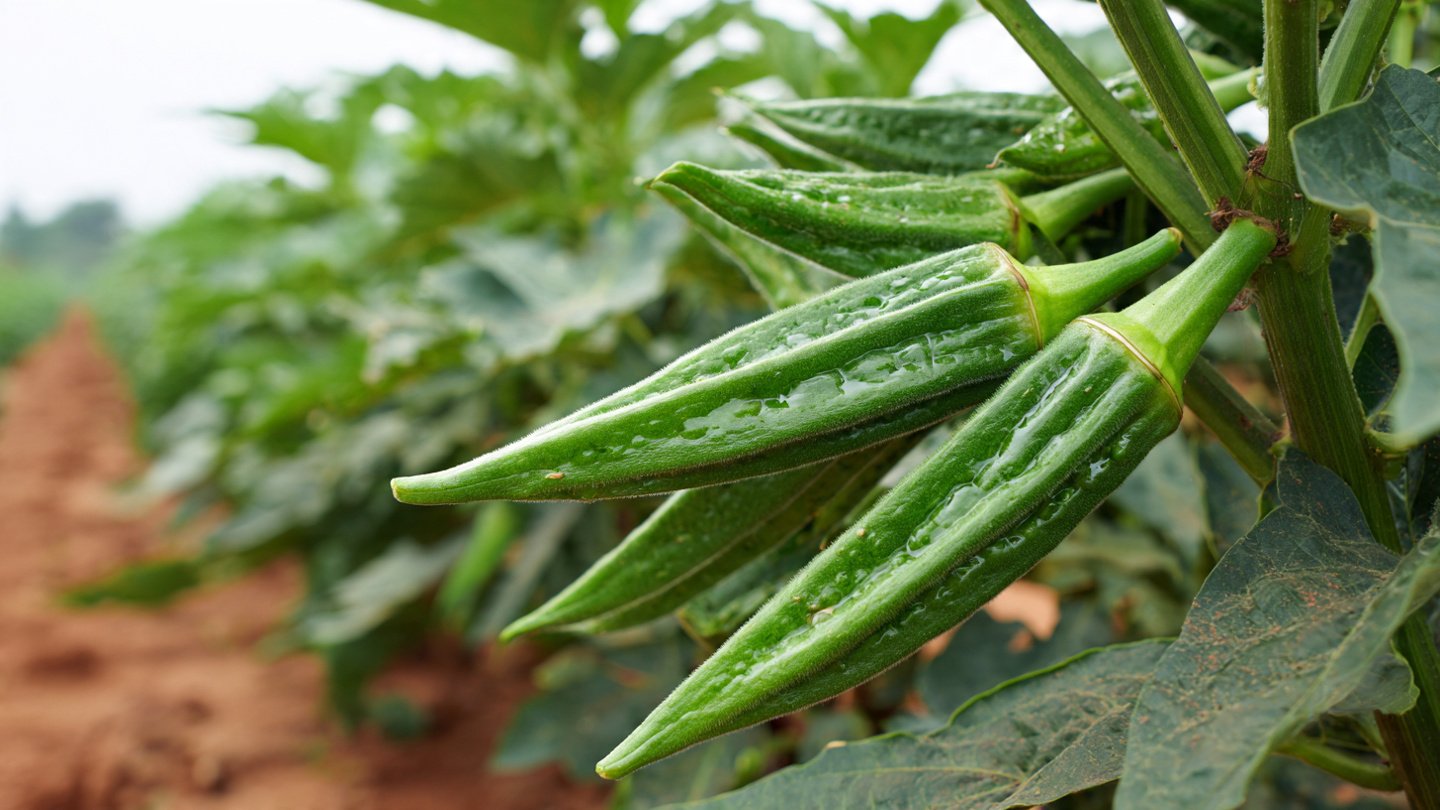
Bhindi, also known as okra, is a nutritious, versatile, and easy-to-grow vegetable that thrives in warm climates. Known for its tender pods and delicious flavor, bhindi is a staple in many households and cuisines. With proper care and planning, it is possible to harvest fresh bhindi continuously throughout the growing season, making it a valuable addition to any vegetable garden.
This comprehensive guide will take you through everything you need to know to grow bhindi successfully—from choosing the right seeds and soil preparation to planting, maintenance, and strategies for continuous harvesting throughout the year.
Why Grow Bhindi?
Bhindi is an excellent crop for home gardeners for several reasons:
- Nutrient-rich: High in fiber, vitamins A and C, calcium, and iron.
- Easy to grow: Thrives in warm weather with minimal maintenance.
- Continuous harvest: With proper planning, you can harvest bhindi pods multiple times during the season.
- Versatile: Can be used in curries, stir-fries, soups, and even pickled for long-term storage.
Growing bhindi at home ensures a fresh supply, better taste, and chemical-free produce compared to store-bought options.
Selecting the Right Bhindi Variety
Choosing the right variety is essential for a continuous harvest. There are two main types:
- Short-statured varieties: Suitable for container gardening and small spaces. Examples include Arka Anamika, Parbhani Kranti, and Clemson Spineless.
- Tall, vigorous varieties: Produce more pods but require staking or support. Examples include Radhuni and Pusa Sawani.
For year-round harvesting, choose varieties that are suited to your local climate and resistant to common pests and diseases.
Preparing the Soil
Bhindi prefers well-draining, fertile soil rich in organic matter. Key steps for soil preparation include:
- Loosen the soil: Bhindi roots require aeration, so break up compacted soil.
- Add compost or manure: Enrich the soil with organic matter to improve fertility and moisture retention.
- pH level: Maintain a slightly acidic to neutral soil (pH 6.0–7.0) for optimal growth.
- Drainage: Ensure the soil does not retain excess water to prevent root rot.
For container planting, use a mix of garden soil, compost, and perlite or coco peat for ideal drainage and fertility.
Planting Bhindi
Bhindi can be grown directly from seeds. Follow these steps for successful planting:
- Seed preparation: Soak seeds in water for 12–24 hours to improve germination.
- Sowing depth: Plant seeds about 1 inch deep in prepared soil or pots.
- Spacing: For continuous harvest, space seeds 12–18 inches apart to allow adequate air circulation and sunlight.
- Timing: In most climates, sow bhindi seeds after the last frost when temperatures are consistently warm. For continuous harvest, plant new seeds every 2–3 weeks during the growing season.
Watering Requirements
Bhindi requires consistent moisture, especially during flowering and pod development. Key watering tips include:
- Water deeply once or twice a week, depending on weather conditions.
- Avoid waterlogging, which can cause root diseases.
- Mulching around the base helps retain soil moisture and regulate temperature.
Regular watering encourages healthy growth and abundant pod production.
Fertilization for Continuous Harvest
Fertilization plays a crucial role in maintaining continuous flowering and fruiting:
- Nitrogen: Supports leafy growth in the early stages.
- Phosphorus: Promotes root development and flowering.
- Potassium: Enhances pod quality and disease resistance.
Use balanced fertilizers every 3–4 weeks or apply compost tea for organic feeding. Avoid over-fertilization with nitrogen once flowering begins, as it can reduce pod production.
Providing Support
Some bhindi varieties, especially taller ones, may require staking or support. Use bamboo sticks or trellises to prevent plants from bending or breaking under their own weight. This also improves air circulation and reduces fungal problems.
Pest and Disease Management
Bhindi is generally hardy, but certain pests and diseases can affect growth:
- Pests: Aphids, caterpillars, and jassids. Inspect plants regularly and use neem oil, insecticidal soap, or natural predators for control.
- Diseases: Powdery mildew, leaf spots, and wilt. Ensure proper spacing, adequate sunlight, and avoid overwatering to prevent disease outbreaks.
Early detection and proper preventive measures ensure a healthy, continuous harvest.
Pruning and Maintenance
Pruning bhindi encourages multiple flushes of pods. Key practices include:
- Remove old or diseased leaves regularly.
- Pinch the tips of young plants to encourage branching.
- Harvest pods regularly, as leaving mature pods on the plant can reduce new pod formation.
Regular pruning and maintenance keep the plant vigorous and productive.
Strategies for Continuous Harvest
To achieve a year-round harvest, consider these strategies:
- Succession planting: Sow new seeds every 2–3 weeks to maintain a steady supply of young plants.
- Temperature management: In cooler climates, use greenhouses, poly tunnels, or indoor pots to extend the growing season.
- Variety selection: Combine early, mid, and late-maturing varieties to stagger harvests.
- Regular harvesting: Pick pods when they are tender, usually 2–3 inches long, to encourage further production.
By implementing these strategies, you can enjoy fresh bhindi throughout the year without interruption.
Harvesting Tips
Bhindi pods are best harvested when they are young and tender. Overgrown pods become fibrous and less palatable. Harvest every 2–3 days during peak production. Use a sharp knife or scissors to avoid damaging the plant.
Freshly picked bhindi should be stored in a cool, dry place or refrigerated to maintain freshness.
Common Mistakes to Avoid
- Planting too close together, reducing air circulation.
- Overwatering, leading to root rot.
- Ignoring regular fertilization or pruning.
- Leaving mature pods on the plant, which slows new pod formation.
- Planting only once without succession, causing gaps in harvest.
Avoiding these mistakes ensures a continuous, productive crop.
Final Thoughts
Growing bhindi for continuous harvest requires careful planning, proper care, and consistent attention to watering, feeding, and pest management. By selecting suitable varieties, preparing fertile soil, practicing succession planting, and maintaining healthy plants, gardeners can enjoy a steady supply of fresh bhindi pods throughout the growing season.
Whether grown in traditional garden beds or containers, bhindi rewards patience and consistent care with abundant, nutritious pods. By following this comprehensive guide, you can achieve a continuous harvest and enjoy fresh, homegrown bhindi year-round.