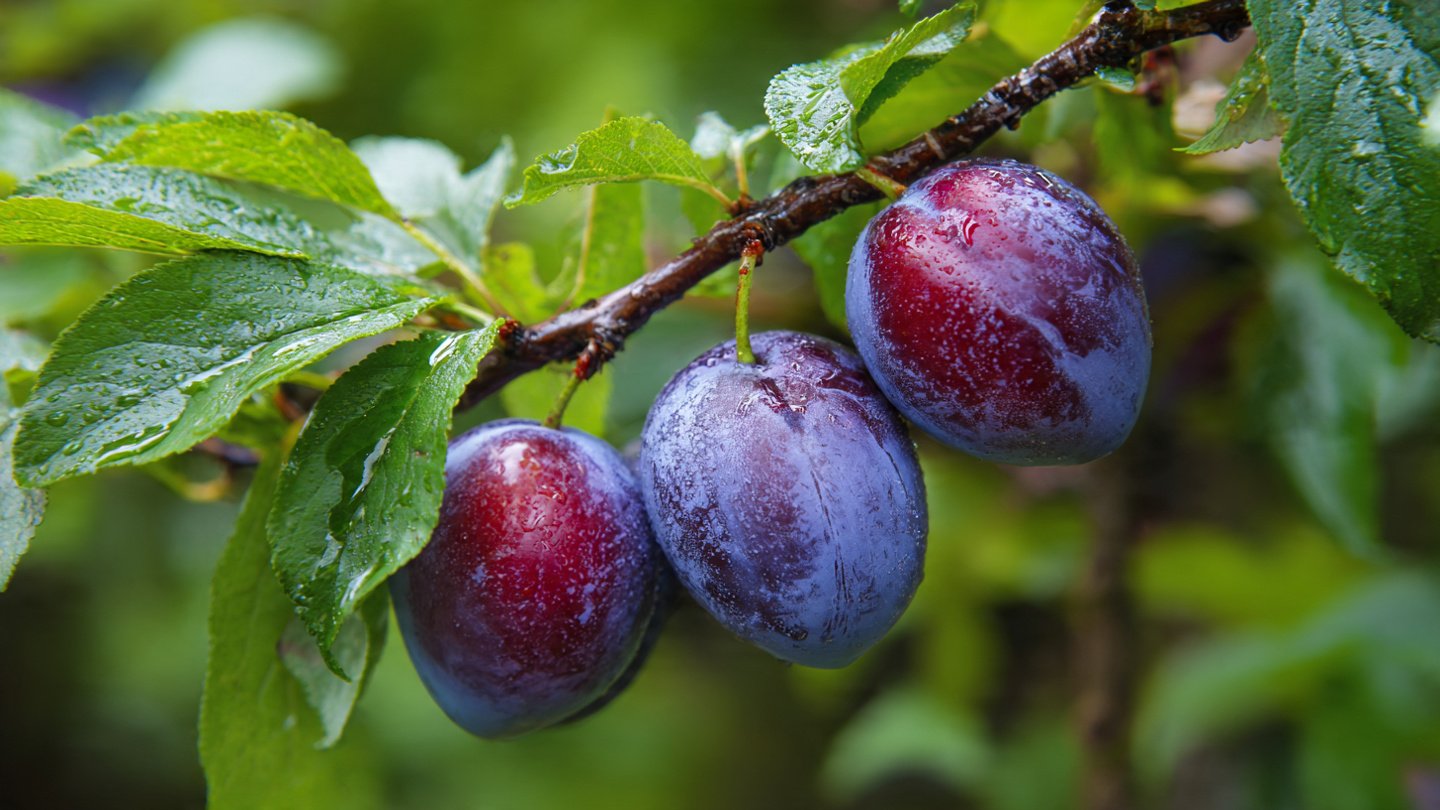
Growing plums in a Canadian garden can be a highly rewarding experience, especially if you choose early-bearing varieties. Plums are not only delicious but also rich in vitamins, antioxidants, and dietary fiber. Early-bearing varieties provide the advantage of harvesting fruit sooner in the season, maximizing your yield in Canada’s shorter growing period.
This comprehensive guide will walk you through everything you need to know—from selecting the right plum varieties, preparing your garden, planting, and caring for trees, to harvesting and troubleshooting common issues.
Why Choose Early-Bearing Plum Varieties?
Canada’s climate presents unique challenges for fruit gardeners. Shorter summers, late frosts, and variable soil conditions require careful planning. Early-bearing plum varieties are particularly suited for Canadian gardens because they:
- Produce fruit sooner than standard varieties, allowing harvesting before late summer or early fall.
- Mature within the Canadian growing season, reducing the risk of frost damage.
- Provide quick returns, making them appealing for gardeners eager to enjoy homegrown fruit.
- Offer excellent flavor and texture, often sweeter and juicier than late-season varieties.
Some popular early-bearing plum varieties for Canada include ’Pembina,’ ’Toka,’ ’Underwood,’ and ’Mount Royal.’ These varieties are hardy, disease-resistant, and suited to cooler climates.
Selecting the Right Site
Choosing the correct location for your plum tree is critical for early fruit production and long-term health.
Sunlight
Plums require full sun, ideally 6–8 hours per day. Sunlight promotes flowering, fruit set, and sugar development in the fruit.
Soil Requirements
- Well-draining soil is essential to prevent root rot.
- Loamy soil enriched with organic matter is ideal.
- Avoid heavy clay soils or low-lying areas prone to standing water.
Spacing
Plant trees at least 15–20 feet apart to allow for proper air circulation, sunlight penetration, and growth. Crowding can lead to disease and poor fruit production.
Planting Early-Bearing Plums
Step 1: Preparing the Planting Hole
Dig a hole twice as wide and slightly deeper than the root ball. Mix the excavated soil with compost to enhance fertility and structure.
Step 2: Planting the Tree
- Place the tree in the hole at the same depth it was growing in the nursery container.
- Spread the roots evenly to avoid circling.
- Backfill with amended soil, firm gently, and water thoroughly.
Step 3: Mulching
Apply a 2–3 inch layer of mulch around the base, leaving space around the trunk. Mulch helps retain moisture, suppress weeds, and regulate soil temperature.
Watering and Fertilization
Young plum trees need consistent moisture during establishment. Water deeply once or twice per week depending on rainfall. Avoid overwatering, as this can lead to root disease.
Fertilization supports growth and fruit production:
- Apply balanced fertilizer (10-10-10) in early spring before bud break.
- Avoid excessive nitrogen, which promotes leaf growth at the expense of flowers and fruit.
- Repeat light feeding after fruit set to encourage fruit size and quality.
Pruning for Early Fruit Production
Proper pruning is essential to encourage early fruiting and maintain tree health. Key tips include:
- Prune in late winter or early spring while the tree is dormant.
- Remove dead, diseased, or crossing branches.
- Open the center of the tree to improve sunlight penetration.
- Shorten long shoots to stimulate lateral growth, where flowers and fruit develop.
Regular pruning helps maintain a manageable tree size and encourages consistent early harvests.
Pollination Tips
Most early-bearing plums require cross-pollination with another compatible variety for optimal fruit set. Before planting, consider:
- Planting two or more compatible varieties within 20–30 feet of each other.
- Checking bloom times to ensure they overlap for effective pollination.
- Attracting pollinators such as bees by planting flowering companion plants.
Some self-fertile varieties, like ’Pembina’, can produce fruit alone, but pollination will still improve yield and quality.
Pest and Disease Management
Plum trees are susceptible to several pests and diseases, but early preventive care can keep problems minimal.
Common Pests
- Plum curculio: A small beetle that damages fruit. Handpick or use traps during early summer.
- Aphids: Feed on new growth, causing curled leaves. Introduce beneficial insects or use mild insecticidal soap.
- Mites and scale insects: Regular monitoring and pruning help prevent infestations.
Common Diseases
- Brown rot: Fungal disease causing fruit decay. Prune for airflow, remove infected fruit, and consider fungicide applications if needed.
- Leaf curl or leaf spot: Proper sanitation, pruning, and resistant varieties help reduce impact.
Regular inspection, early action, and good garden hygiene are key to keeping your trees healthy.
Harvesting Early-Bearing Plums
Timing is crucial to enjoy the best flavor:
- Plums are typically ready 4–6 weeks after bloom depending on variety.
- Fruit should be fully colored and slightly soft to the touch.
- Pick gently to avoid bruising.
- Early harvesting helps prevent damage from birds or late-season pests.
Plums can be eaten fresh, frozen, canned, or used in jams, sauces, and baked goods.
Extending Success with Canadian Gardens
Growing early-bearing plums in Canada requires attention to climate and seasonal changes. Tips to improve success include:
- Protect blossoms from late frost with row covers or frost blankets.
- Select hardy rootstocks that tolerate Canadian winters.
- Use raised beds or mounded soil in areas with heavy rainfall or poor drainage.
- Consider container planting for mobility and winter protection if your garden faces extreme cold.
Benefits of Early-Bearing Plum Trees
Early-bearing plums are a smart choice for Canadian gardeners because they:
- Provide fruit within the first few years of planting
- Reduce risk of crop loss due to frost or early disease
- Require less maintenance than late-bearing varieties
- Produce nutrient-rich, delicious fruit for fresh consumption or processing
Homegrown plums also enhance the beauty of your garden with their spring blossoms, vibrant foliage, and colorful fruit.
Final Thoughts
Growing early-bearing plum varieties in Canadian gardens is entirely achievable with the right planning, planting, and care. By selecting hardy varieties, choosing a sunny, well-drained location, and following best practices for watering, fertilization, pruning, and pest management, you can enjoy fresh, homegrown plums much earlier in the season than traditional varieties.
Early-bearing plums not only provide a delicious harvest but also add year-round visual appeal to your garden. With patience, attention, and careful maintenance, these trees can become a reliable and rewarding part of your Canadian home garden for years to come.