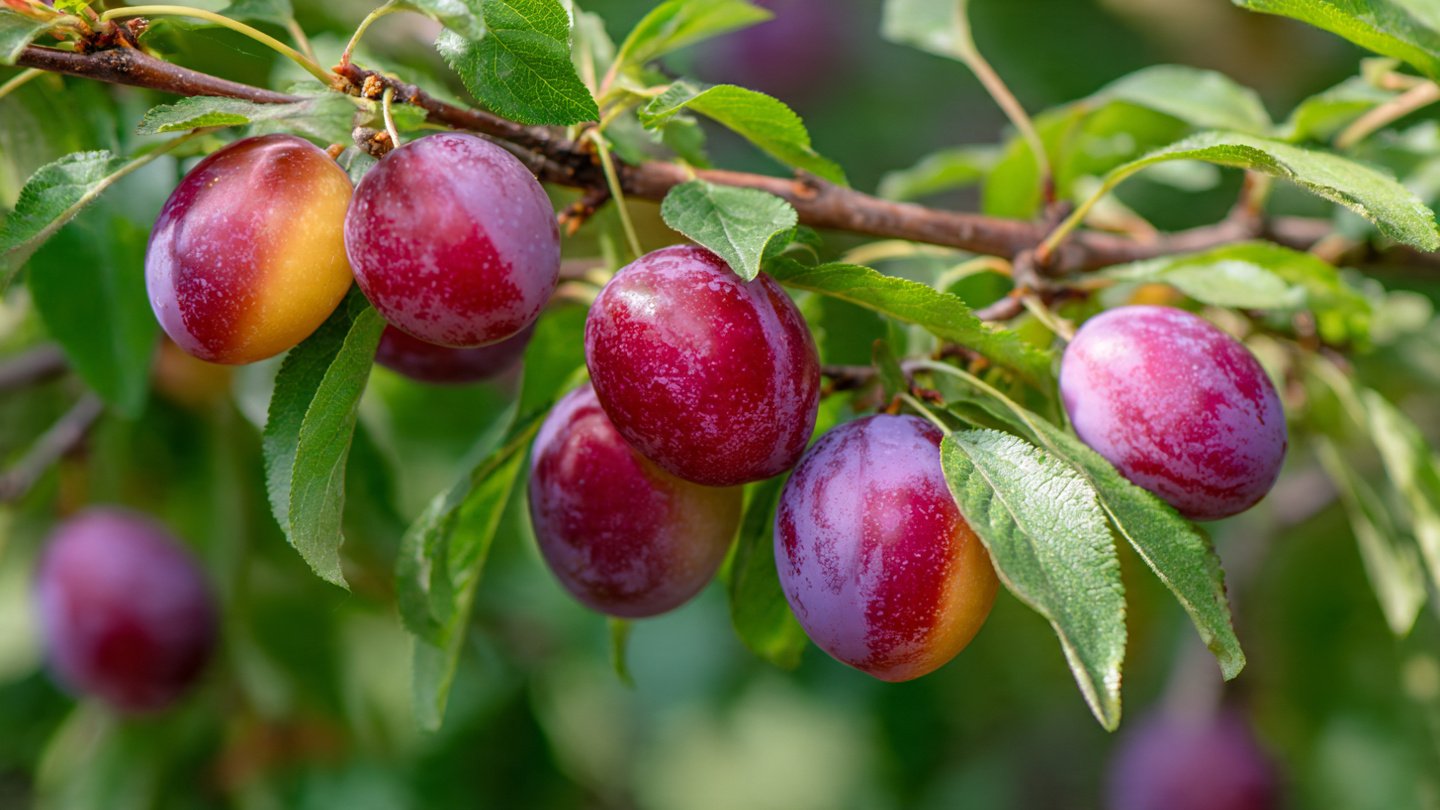
Growing fruit trees in cold climates presents unique challenges, but it is entirely possible with careful planning, proper techniques, and knowledge of hardy varieties. Among the most rewarding choices for northern regions is the plum tree. Known for its juicy fruits and beautiful spring blossoms, the plum tree can thrive even in areas with long winters and short growing seasons—provided the right methods are applied.
This guide is designed to walk you through every step of cultivating hardy plum trees in cold climates, from selecting the right variety to pruning, fertilizing, and protecting your trees from frost. By following these strategies, you can enjoy healthy trees and a bountiful harvest year after year.
Choosing Cold-Hardy Plum Varieties
The first step to success in colder regions is selecting varieties that are resistant to frost and winter damage. Not all plums tolerate extremely low temperatures, so choosing the right cultivar is critical.
Recommended cold-hardy plum varieties include:
- European Plums (Prunus domestica): Known for winter hardiness and excellent flavor.
- Canadian Plums (Prunus × canadensis): Extremely cold-tolerant and disease-resistant.
- Japanese Plums (Prunus salicina) ‘Methley’ or ‘Superior’: Some varieties can handle moderate cold if properly protected.
When choosing a variety, consider:
- Minimum winter temperatures in your area
- Frost dates and length of growing season
- Pollination requirements (some plums require a pollinator tree nearby)
Selecting the Ideal Planting Site
Location is crucial for plum tree success in cold climates. A proper site ensures adequate sunlight, protection from harsh winds, and well-draining soil.
- Sunlight: Plum trees need at least 6–8 hours of full sun daily for optimal fruit production.
- Shelter: Plant near a windbreak, such as a fence or taller shrubs, to protect young trees from harsh winter winds.
- Soil: Well-draining soil is essential; avoid areas prone to waterlogging, which can damage roots in freezing conditions.
- Slope: South-facing slopes are ideal, as they maximize sun exposure and reduce frost risk.
Preparing the Soil
Cold climates often have compacted or clay-heavy soils, so soil preparation is key.
- Test soil pH: Plum trees thrive in slightly acidic to neutral soil (pH 6.0–7.0).
- Amend the soil: Incorporate organic matter like compost or well-rotted manure to improve drainage and fertility.
- Raised beds (optional): For areas with heavy clay or poor drainage, planting in slightly raised beds can prevent root rot and cold damage.
Planting Hardy Plum Trees
Timing is critical when planting in cold climates.
- Ideal time: Early spring after the last severe frost, or late fall when the tree is dormant.
- Spacing: Allow 15–20 feet between trees for European plums; Japanese varieties may require slightly more.
- Planting steps:
- Dig a hole twice as wide as the root ball and as deep as the roots.
- Place the tree in the hole, spreading roots evenly.
- Fill with soil, gently firming around the roots.
- Water thoroughly to settle the soil.
Mulching with straw or wood chips helps retain moisture and insulates roots from temperature fluctuations.
Protecting Trees from Frost and Cold Damage
Winter protection is essential for young trees and late-blooming varieties.
- Mulch: Apply 3–4 inches of organic mulch around the base to protect roots from freezing.
- Tree wraps: Use trunk guards or protective wraps on young trees to prevent frost cracks and rodent damage.
- Windbreaks: Install temporary barriers to reduce exposure to icy winds.
- Frost covers: Use frost cloths during late spring frost events to protect blossoms.
Pruning for Hardy Growth
Pruning is vital for establishing strong structure, improving airflow, and maximizing fruit production.
- Timing: Dormant season (late winter or early spring before buds swell)
- Technique:
- Remove dead, damaged, or crossing branches
- Establish a central leader or open vase shape for even sunlight exposure
- Thin excessive shoots to reduce wind damage risk
Regular pruning improves fruit size, prevents disease, and strengthens branches against winter snow loads.
Fertilizing in Cold Climates
Nutrient management ensures healthy growth and optimal fruiting.
- Initial fertilization: Incorporate balanced organic fertilizers or compost at planting.
- Growing season: Apply nitrogen-based fertilizer in early spring to promote leaf and shoot growth.
- Fruit development: Reduce nitrogen in summer and increase potassium and phosphorus to support blossoms and fruiting.
- Avoid over-fertilizing: Excess nitrogen can produce weak, frost-sensitive growth.
Watering and Irrigation
Plum trees need consistent moisture, especially during the first few years, but waterlogging can be fatal in cold climates.
- Spring and summer: Deep watering once or twice per week, depending on rainfall.
- Fall: Reduce watering as trees enter dormancy, but prevent soil from drying out completely.
- Mulch: Helps retain soil moisture and moderates soil temperature.
Pollination for Optimal Fruit Yield
Most plum varieties benefit from cross-pollination. Planting compatible varieties nearby ensures better fruit set.
- European plums: Often require a second variety for pollination.
- Japanese plums: Some are self-fertile; check cultivar information.
- Encourage pollinators: Bees and other insects are vital. Avoid pesticides during bloom periods.
Pest and Disease Management
Cold climates can reduce some pest populations, but plum trees are still susceptible to:
- Plum curculio and aphids: Apply natural insecticides or neem oil.
- Brown rot: Remove infected fruit and prune for better airflow.
- Bacterial canker: Ensure proper pruning and avoid wetting branches during irrigation.
Maintaining strong, healthy trees reduces the risk of disease and ensures better fruit quality.
Harvesting for Maximum Flavor
Harvest time depends on the variety and climate.
- Timing: Plums are ready when they have full color and slight softness to the touch.
- Handling: Gently pick fruit to avoid bruising.
- Storage: Refrigerate immediately to prolong shelf life. Plums can also be preserved by freezing, canning, or drying.
Winter Care and Dormancy
Healthy dormancy is crucial for cold climate plum trees.
- Mulch: Protect roots from deep freezes.
- Pruning: Dormant pruning strengthens structure and removes winter damage.
- Inspect for damage: Check for rodent chewing or frost cracks and repair or wrap as needed.
Maximizing Fruit Yield
To ensure optimal harvest in cold climates:
- Plant hardy varieties suited to your region
- Properly prune for structure and airflow
- Fertilize at appropriate times
- Provide winter protection and frost mitigation
- Encourage pollinators and maintain tree health
Consistency and patience are key; plum trees may take a few years to reach full production but will reward you with abundant fruit when managed correctly.
Final Thoughts
Cultivating hardy plum trees in cold climates is entirely feasible with the right preparation and care. From choosing frost-resistant varieties to proper planting, pruning, and winter protection, each step contributes to tree health and fruit quality. By understanding your local climate and following these best practices, you can enjoy juicy, flavorful plums year after year, turning even the coldest garden into a thriving fruit oasis.
With diligence, patience, and careful attention, your plum trees will thrive despite harsh winters, providing not only a bountiful harvest but also beauty and vitality to your landscape. Hardiness does not mean compromise—cold climates can yield some of the sweetest, most rewarding plums when cultivated wisely.