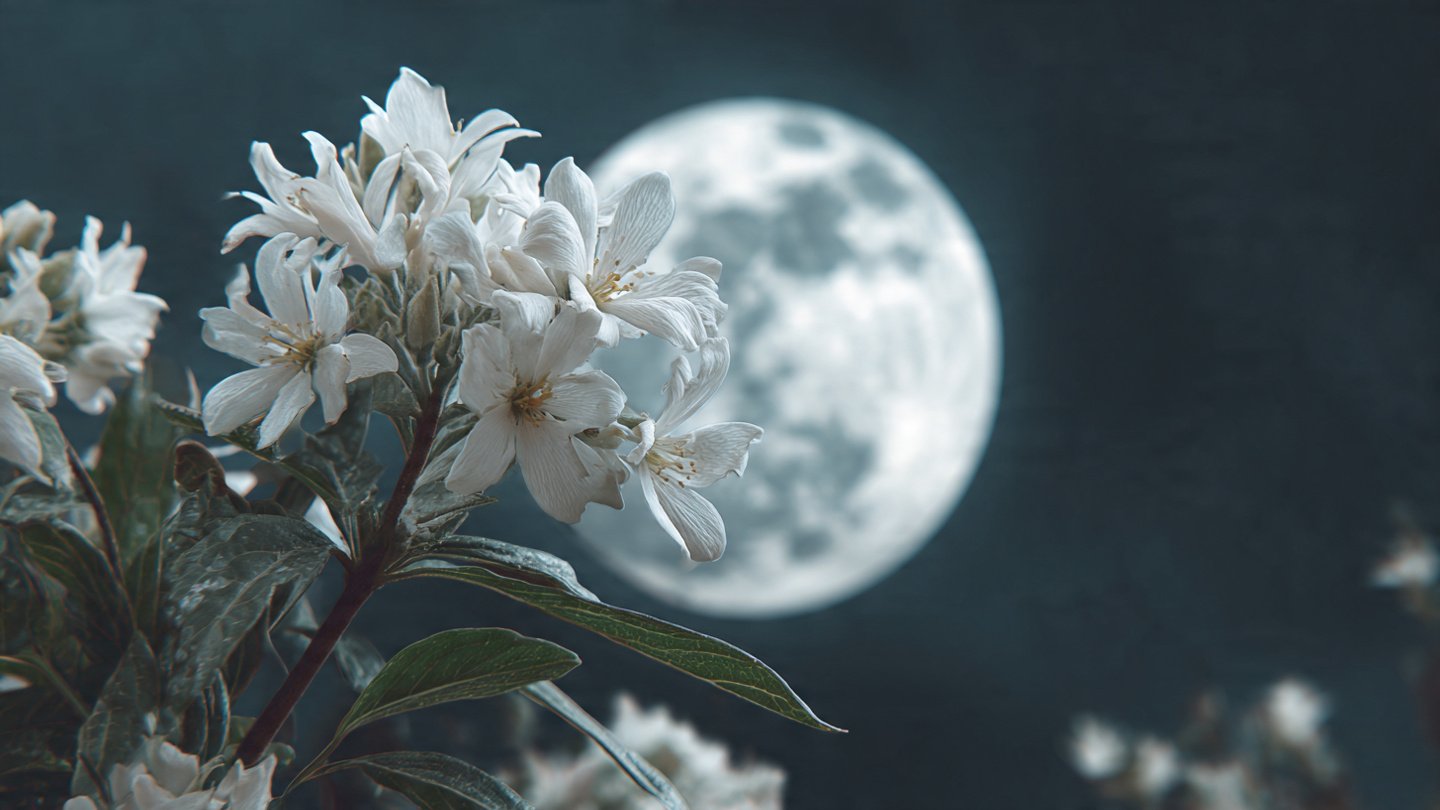
A moon garden is a magical addition to any outdoor space. Designed to be enjoyed under the soft glow of moonlight, these gardens typically feature white or pale-colored flowers, silver foliage, and plants with fragrant blooms that release their aroma in the evening. Moon gardens are not just visually enchanting—they create a serene retreat for relaxation, reflection, and nighttime enjoyment. One of the easiest ways to cultivate such a garden is by using white flower cuttings. In this guide, we’ll explore how to create a moon garden from cuttings, step by step.
Understanding the Concept of a Moon Garden
Moon gardens are designed with nocturnal beauty in mind. The pale colors reflect moonlight, making the garden appear luminous at night. Fragrant flowers attract evening pollinators such as moths, and the gentle rustle of foliage under a night breeze adds to the garden’s calm ambiance.
White flowers are essential because they catch and reflect moonlight better than darker hues, creating the “moonlit” effect. Examples of popular white flowers for moon gardens include gardenias, white roses, moonflowers, jasmine, hydrangeas, and white lilies.
Why Use Cuttings?
Using cuttings is a cost-effective and efficient way to propagate plants for your moon garden. Cuttings allow you to reproduce the parent plant’s exact characteristics, including flower color, fragrance, and growth habit. Moreover, it’s a sustainable practice because you can multiply plants from ones you already own or from friends’ gardens.
Selecting the Right Plants for Cuttings
Not all white flowers are equally suitable for cuttings. Choose plants that root easily and thrive in your local climate. Some excellent choices for moon gardens include:
- Gardenias: Known for their creamy white blooms and strong fragrance.
- Jasmine: Fragrant climbers that release scent in the evening.
- White Hydrangeas: Produce large, showy flowers and propagate well from softwood cuttings.
- Moonflower (Ipomoea alba): Night-blooming vine with large, white blossoms.
- White Lilies: Elegant, fragrant flowers that add vertical interest.
How to Take Cuttings
- Choose Healthy Stems: Select healthy, non-flowering stems from the parent plant. Avoid damaged or diseased branches.
- Cut Correctly: Using sterilized pruning shears, cut a 4–6 inch piece just below a leaf node. Remove the lower leaves to prevent rot and retain the top leaves to promote photosynthesis.
- Prepare the Cutting: Dip the cut end in rooting hormone to encourage root development. Rooting hormone is particularly helpful for woody or semi-woody plants like gardenias and hydrangeas.
Rooting the Cuttings
- Select a Suitable Medium: Use a well-draining medium such as a mix of perlite, vermiculite, or peat moss. This ensures proper aeration and prevents waterlogging.
- Plant the Cutting: Insert the cut end into the medium, ensuring that at least one node is buried. Firm the soil gently around the stem.
- Provide Proper Conditions: Place the cuttings in a warm, humid environment with indirect sunlight. A mini-greenhouse or a plastic cover over a tray can maintain humidity levels.
- Water Carefully: Keep the soil consistently moist but not soggy. Too much water can cause fungal infections, while too little will dry out the cutting.
Roots usually develop in 2–6 weeks, depending on the plant type. You’ll know the cutting has rooted when you notice new leaf growth or gentle resistance when tugging the stem.
Designing Your Moon Garden
Once your cuttings are rooted and growing, it’s time to plan the garden layout. Moon gardens are not only about the flowers but also about how light, fragrance, and foliage work together.
- Choose a Location: Select a spot that receives partial to full sunlight during the day. While the garden is designed for nighttime enjoyment, sunlight is essential for plant growth.
- Plan the Layout: Place taller plants like moonflowers or white lilies at the back and shorter plants like jasmine and small hydrangeas in the front. Group plants with strong evening fragrances near pathways or seating areas.
- Add Reflective Elements: Incorporate white stones, silver foliage plants, or mirrors to enhance the moonlight effect. Light-colored paths or mulch can also reflect light and make the garden appear brighter at night.
Caring for Your Moon Garden
Even though moon gardens are low-light attractions, their plants need regular care to thrive:
- Watering: Most white flowers prefer consistent moisture. Water deeply in the early evening to avoid evaporation and help roots absorb moisture overnight.
- Fertilization: Use balanced fertilizers or organic compost to promote healthy growth and abundant blooms.
- Pruning: Trim dead or faded flowers regularly to encourage new blooms. Cut back overgrown branches to maintain shape and airflow.
- Pest Control: Keep an eye out for aphids, spider mites, and fungal infections. Organic insecticides and good garden hygiene can prevent most problems.
Enhancing the Moon Garden Experience
A true moon garden is more than flowers—it’s an immersive sensory experience. Consider these enhancements:
- Pathways and Seating: Install gentle pathways with white gravel or stepping stones. Add a bench or hammock to enjoy the garden under moonlight.
- Lighting: Soft, subtle lighting can complement the moonlight without overpowering it. Solar lanterns or string lights add charm.
- Companion Plants: Include fragrant herbs like lavender, mint, or night-blooming nicotiana to intensify the scent and attract pollinators.
- Water Features: A small fountain or birdbath can reflect moonlight and add soothing sounds.
Seasonal Considerations
Moon gardens can change with the seasons. Some plants bloom in summer, while others extend into fall. Plan your garden with a variety of flowering times to maintain nighttime beauty throughout the growing season. Additionally, consider using evergreen foliage to provide structure when blooms are scarce.
Conclusion
Creating a moon garden with white flower cuttings is a rewarding way to transform your outdoor space into a nocturnal haven. By selecting the right plants, propagating them from cuttings, and carefully designing the layout, you can enjoy a luminous and fragrant garden all year round. Whether you’re looking to relax under the stars, entertain guests, or attract night pollinators, a moon garden offers endless beauty and serenity. With patience, creativity, and thoughtful care, your moon garden will become a captivating centerpiece of your home’s landscape.