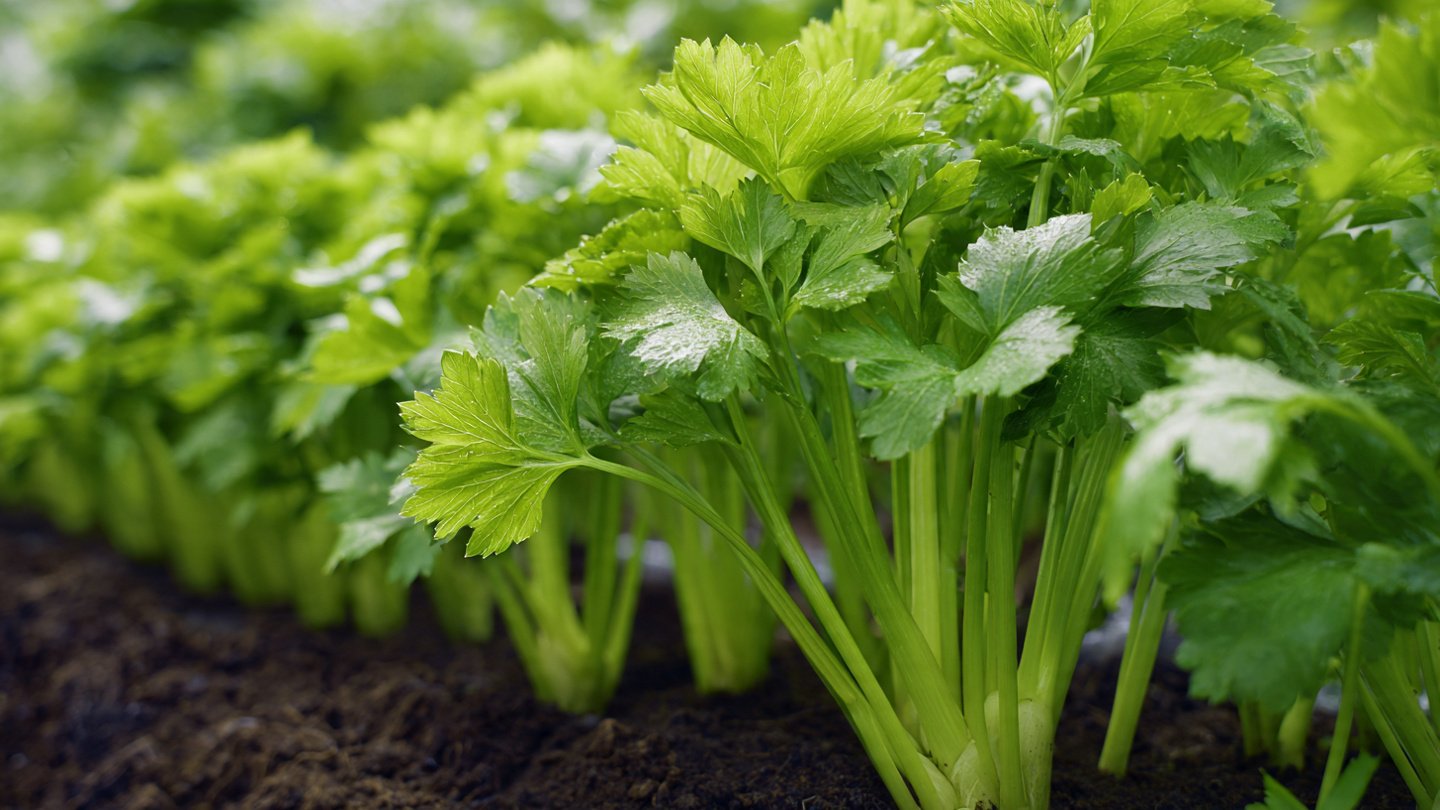
Celery is a crunchy, nutrient-rich vegetable that adds flavor and texture to soups, salads, and snacks. Its crisp stalks are high in vitamins A, C, and K, as well as dietary fiber and antioxidants. However, one common problem many gardeners face is bolting—when the celery plant prematurely produces flowers and seeds, making the stalks bitter, tough, and inedible. Preventing bolting is crucial for a successful harvest, especially if you want tender, flavorful stalks.
In this guide, we’ll explore how you can successfully grow celery without bolting, covering everything from variety selection and soil preparation to watering, fertilization, and harvesting techniques.
Understanding Celery and Bolting
Bolting occurs when a plant transitions from vegetative growth (stalk development) to reproductive growth (flowering and seed production). Celery is particularly sensitive to environmental stress, and several factors can trigger bolting:
- High Temperatures: Celery is a cool-season crop and prefers temperatures between 60–70°F (15–21°C). Excessive heat can trigger flowering.
- Day Length: Long days with extended sunlight can signal the plant to reproduce.
- Water Stress: Inconsistent watering or drought stress accelerates bolting.
- Nutrient Imbalance: Lack of essential nutrients, especially nitrogen, can weaken the plant and lead to early flowering.
By understanding these factors, gardeners can implement strategies to prolong vegetative growth and prevent bolting.
Selecting the Right Celery Varieties
The first step in preventing bolting is choosing bolt-resistant celery varieties:
- ‘Tango’ and ‘Conquistador’ – Popular bolt-resistant hybrids suitable for home gardens.
- ‘Green Utah’ and ‘Pascal’ – Traditional varieties known for long, tender stalks and slow bolting.
- ‘Golden Self-Blanching’ – Ideal for warmer climates due to moderate heat tolerance.
Selecting varieties adapted to your local climate is crucial for success. Bolt-resistant varieties give you more time to harvest tender stalks before flowering begins.
Choosing the Right Growing Location
Celery thrives in cool, well-drained, fertile soil with consistent moisture. Ideal growing conditions include:
- Sunlight: Celery needs 6–8 hours of sunlight daily but benefits from partial shade during hot afternoons to prevent heat stress.
- Soil: Loose, fertile, and well-draining soil rich in organic matter encourages strong root and stalk development. Avoid heavy clay soils that retain too much water.
- Air Circulation: Adequate spacing between plants (8–12 inches apart) reduces stress and fungal disease risk.
- Temperature Management: Use shade cloth or row covers during hotter months to maintain cooler temperatures.
A carefully chosen location helps celery grow vigorously while reducing the risk of bolting.
Soil Preparation
Proper soil preparation is key to strong, bolt-resistant celery plants:
- Soil Testing: Ensure pH is between 6.0–7.0 for optimal nutrient uptake.
- Organic Matter: Incorporate compost, well-rotted manure, or leaf mold to enrich soil, retain moisture, and support root development.
- Fertility: Celery is a heavy feeder. Pre-plant application of nitrogen-rich fertilizers promotes leafy growth. Phosphorus and potassium support strong roots and stalks.
- Aeration: Loosen soil to a depth of 8–10 inches to allow roots to grow without restriction.
Well-prepared soil supports continuous growth and reduces environmental stress that could trigger bolting.
Sowing Celery Seeds
Celery is slow-growing, and proper sowing techniques improve success:
- Timing: Start seeds indoors 8–10 weeks before the last frost in spring or 10–12 weeks before fall planting.
- Seed Depth: Sow seeds 1/8 inch deep in seed trays or small pots.
- Germination Conditions: Maintain soil temperature between 65–70°F (18–21°C) and keep soil consistently moist. Seeds typically germinate in 14–21 days.
- Transplanting: Harden off seedlings before transplanting outdoors. Plant when they have 4–6 true leaves.
Starting seeds indoors allows for a longer growing season and better control over environmental conditions, reducing the risk of early bolting.
Watering and Moisture Management
Celery requires consistent moisture to grow tender stalks and avoid stress:
- Frequency: Water deeply every 1–2 days, keeping soil evenly moist but not waterlogged.
- Mulching: Use straw, leaf mold, or grass clippings to retain soil moisture, regulate temperature, and suppress weeds.
- Avoid Water Stress: Drought conditions or irregular watering can stress the plant and trigger bolting.
Maintaining optimal moisture helps celery grow crisp, tender stalks while preventing heat and drought stress.
Fertilization
Celery is a nutrient-demanding plant, and proper fertilization prevents stress-induced bolting:
- Nitrogen: Supports leafy growth. Apply nitrogen-rich fertilizers every 2–3 weeks during the growing season.
- Potassium and Phosphorus: Encourage strong roots and stalk development.
- Organic Fertilizers: Compost tea or liquid fish emulsion can be used to supplement nutrients naturally.
Balanced fertilization ensures healthy plants capable of producing long, tender stalks without flowering prematurely.
Temperature and Climate Management
Celery thrives in cool, stable temperatures:
- Optimal Temperature: 60–70°F (15–21°C) for vegetative growth.
- Heat Protection: Use shade cloth, row covers, or temporary shade during extreme heat.
- Seasonal Timing: Plant early in spring or late in summer to avoid peak summer heat that triggers bolting.
Temperature management is crucial for extending the leaf-producing phase and preventing bitter, woody stalks.
Harvesting Techniques
Proper harvesting encourages continuous growth and reduces stress:
- Outer Stalks First: Remove outer stalks while leaving the inner stalks to grow.
- Cut-and-Come-Again: Harvest regularly to promote continuous leaf and stalk production.
- Early Harvest: Harvest before stalks become tough or plants start showing flower buds.
Correct harvesting methods reduce plant stress and delay the onset of bolting.
Pests and Disease Management
Healthy plants are less likely to bolt. Monitor for common pests and diseases:
Common Pests:
- Aphids: Spray with neem oil or insecticidal soap.
- Slugs and snails: Use barriers or traps.
Common Diseases:
- Downy Mildew: Avoid overhead watering and ensure good spacing.
- Root Rot: Maintain proper drainage and avoid waterlogged soil.
Regular inspection and proactive care maintain plant health and support prolonged vegetative growth.
Additional Tips to Prevent Bolting
- Succession Planting: Plant seeds every 2–3 weeks to ensure a continuous supply of tender celery.
- Container Gardening: Grow celery in pots or raised beds to control soil, water, and temperature.
- Companion Planting: Plant celery alongside heat-tolerant crops to provide natural shading and reduce stress.
- Early-Maturing Varieties: Select varieties that mature quickly to harvest before heat or long days induce bolting.
These strategies collectively reduce stress and prolong the harvest window.
Final Thoughts
Celery can indeed be successfully grown without bolting if you carefully manage environmental conditions and plant care. Selecting bolt-resistant varieties, preparing fertile soil, maintaining consistent watering, providing cool growing conditions, and implementing proper fertilization and harvesting techniques are key to preventing early flowering. By understanding the factors that trigger bolting and proactively managing stress, gardeners can enjoy crisp, flavorful celery stalks throughout the growing season.
Whether you are a beginner or an experienced gardener, following these strategies ensures a successful, productive celery crop. With patience, attention to detail, and proper care, you can enjoy fresh, tender, and bolt-free celery from your garden all season long.