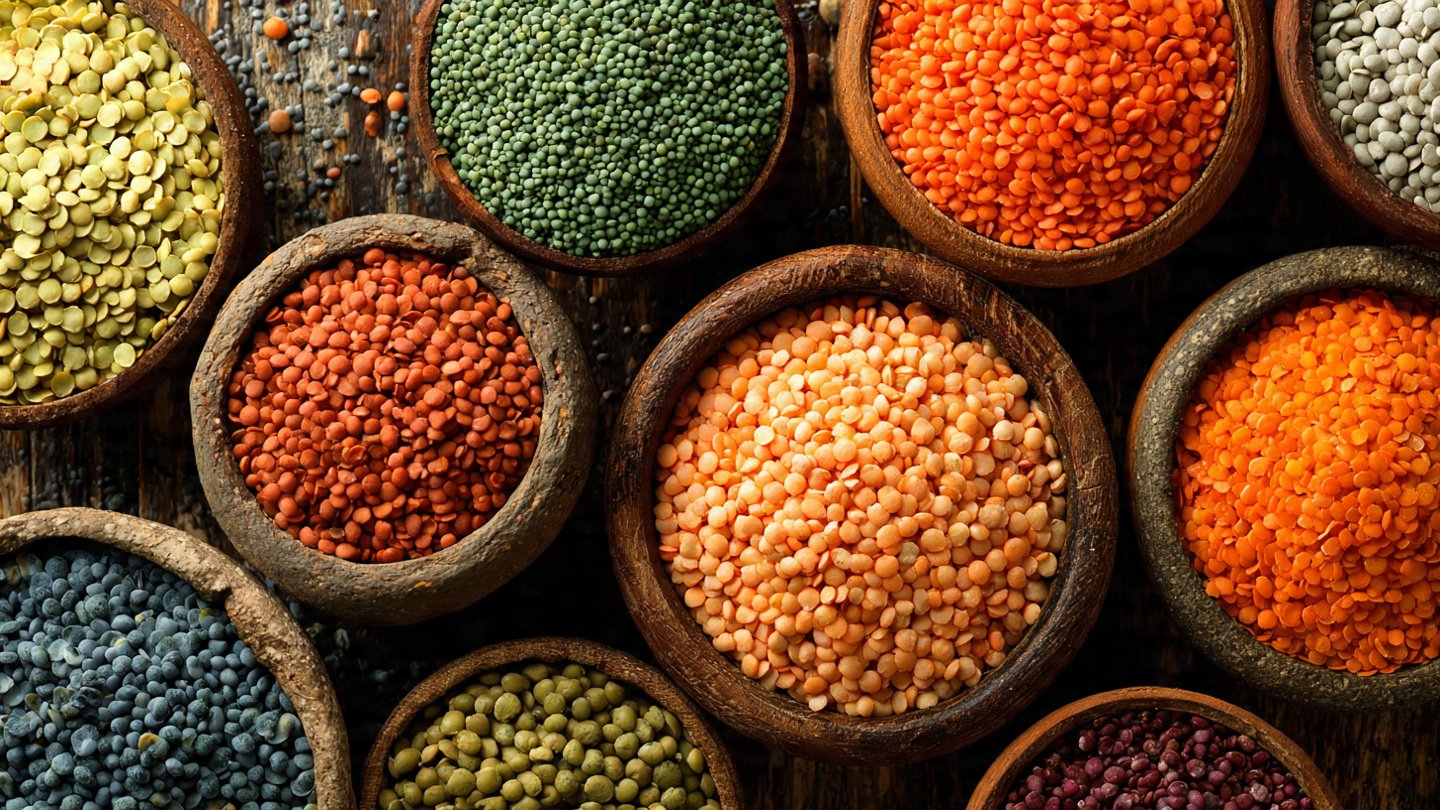
Lentils are a staple in kitchens around the world, prized for their high protein content, versatility, and ease of storage. While they are often thought of as a crop grown on large farms, the good news is that lentils can be successfully cultivated in a small garden. With careful planning, proper soil preparation, and understanding of their growth requirements, even gardeners with limited space can enjoy fresh, homegrown lentils. Here’s a comprehensive guide to growing lentils in a small garden.
Understanding Lentils and Their Growth Requirements
Lentils (Lens culinaris) are legumes, closely related to beans and peas. Like other legumes, they have the unique ability to fix nitrogen in the soil, improving fertility for future crops. They are typically grown as an annual, meaning they complete their life cycle—from seed to harvest—within one growing season.
Lentils thrive in cool climates with well-draining soil. They prefer full sun and moderate temperatures, generally ranging between 18°C to 30°C (65°F to 85°F). Excessive heat or heavy rainfall can negatively affect flowering and pod development, so selecting the right growing season is crucial for success.
Choosing the Right Lentil Variety
Several lentil varieties are suitable for small gardens. Common options include:
- Green Lentils: Mild flavor, hold shape well in cooking.
- Red Lentils: Cook quickly and often used in soups and stews.
- French Green (Puy) Lentils: Slightly peppery taste, excellent for salads.
When choosing a variety, consider your local climate, space, and culinary preferences. Some varieties are bushier and more compact, which makes them ideal for small plots or raised beds.
Preparing Your Garden Space
Even a small garden can support lentil cultivation if the soil is properly prepared. Follow these steps:
- Choose a Sunny Location: Lentils need at least 6–8 hours of sunlight daily.
- Test Soil Drainage: Lentils do not tolerate waterlogged soil. Raised beds or well-draining soil improve success.
- Amend the Soil: Add compost or organic matter to improve fertility and structure. Avoid excessive nitrogen fertilizer; lentils naturally fix nitrogen and too much fertilizer encourages leafy growth at the expense of pods.
- Ensure Loose Soil: Lentils produce pods close to the ground. Loose soil helps prevent disease and makes harvesting easier.
Planting Lentils in Small Spaces
Lentils are typically sown directly into the garden once the soil has warmed sufficiently. Here’s how to plant efficiently in small spaces:
- Row Spacing: Space rows 12–18 inches apart. If using a raised bed or compact area, consider multiple short rows or a block planting pattern.
- Seed Spacing: Sow seeds 1–2 inches apart within each row. Cover lightly with soil and water gently.
- Timing: In temperate climates, plant lentils in early spring for a summer harvest or in late summer for a fall harvest. Avoid planting in the hottest months.
Care and Maintenance
Lentils are relatively low-maintenance, which is ideal for small gardens. Key tasks include:
- Watering: Keep the soil evenly moist, especially during flowering and pod formation. Avoid overwatering, as lentils are prone to root rot in saturated soil.
- Weeding: Remove competing weeds to reduce stress and allow optimal growth.
- Supporting Plants: Taller varieties may benefit from light staking or trellising to prevent flopping in windy conditions.
Pest and Disease Management
Even in small gardens, lentils can encounter pests and diseases. Common issues include:
- Aphids: Can be managed with neem oil, insecticidal soap, or by introducing beneficial insects like ladybugs.
- Fungal Diseases: Powdery mildew and root rot can appear in damp conditions. Ensure proper spacing, good airflow, and avoid overhead watering.
- Birds: Birds may eat seeds or young seedlings. Covering seedlings with netting can prevent loss.
Using natural remedies and preventive measures is particularly effective in small gardens, where chemical use is less desirable and easier to control.
Harvesting Your Lentils
Lentils are ready to harvest when most pods turn brown and dry. In small gardens, you can check individual plants for readiness rather than harvesting the entire bed at once. Key steps include:
- Cutting Plants: Pull or cut entire plants at the base.
- Drying: Lay plants in a warm, dry location to finish drying for a few days.
- Threshing: Once fully dry, shake or gently rub pods to release lentil seeds.
- Cleaning: Remove debris and damaged seeds before storing.
Homegrown lentils can be stored for up to a year in airtight containers in a cool, dry place. They maintain flavor and texture far better than prepackaged store-bought lentils.
Benefits of Growing Lentils at Home
Growing lentils in a small garden offers several advantages:
- Freshness: Homegrown lentils have superior taste and nutrition.
- Soil Health: As legumes, lentils improve nitrogen levels for future crops.
- Space Efficiency: Lentils produce a good yield even in compact spaces.
- Sustainability: Reduces reliance on store-bought legumes and packaging.
For gardeners interested in crop rotation, lentils are especially valuable because they contribute to soil fertility for subsequent crops like leafy greens or root vegetables.
Tips for Maximizing Yield in Small Gardens
To get the most out of limited space, consider these strategies:
- Succession Planting: Sow seeds in intervals of 2–3 weeks to extend the harvest period.
- Intercropping: Plant fast-growing vegetables like radishes or lettuce between lentil rows. They mature before lentils take over, maximizing space.
- Container Gardening: Lentils can also grow in large pots or deep containers, making them perfect for patios or balconies.
Conclusion
Yes, you can definitely grow your own lentils in a small garden. With the right planning, soil preparation, and care, small-scale lentil cultivation is both feasible and rewarding. Not only do homegrown lentils provide fresh, nutritious food, but they also improve soil health, reduce your grocery bills, and add diversity to your garden. Whether you’re a beginner or an experienced gardener, lentils are a versatile crop that proves even small spaces can yield big rewards.