Lentils are a staple in kitchens around the world, known for their nutritional value, affordability, and versatility in soups, stews, salads, and curries. But have you ever considered growing your own lentils at home? While they are commonly thought of as a large-scale crop, lentils are surprisingly adaptable to small gardens, container setups, and urban gardening. With the right conditions and a bit of care, even gardeners with limited space can enjoy the satisfaction of homegrown lentils.
This guide explores everything you need to know about planting, nurturing, and harvesting lentils in a small garden, including tips for maximizing yield and avoiding common pitfalls.
Why Grow Lentils at Home?
Homegrown lentils come with several advantages:
- Freshness and Flavor – Lentils that are harvested at the peak of maturity have a richer, fresher flavor than store-bought varieties.
- Nutritional Benefits – Lentils are packed with protein, fiber, iron, and essential minerals. Growing your own ensures you have a clean, chemical-free source.
- Sustainability – By cultivating your own lentils, you reduce packaging waste and the carbon footprint associated with transporting commercially produced legumes.
- Educational and Rewarding – For small-space gardeners, lentils offer a unique opportunity to learn about legumes, nitrogen fixation, and crop rotation while enjoying the harvest of a rare backyard crop.
Choosing the Right Lentil Variety
There are several types of lentils, each with unique characteristics:
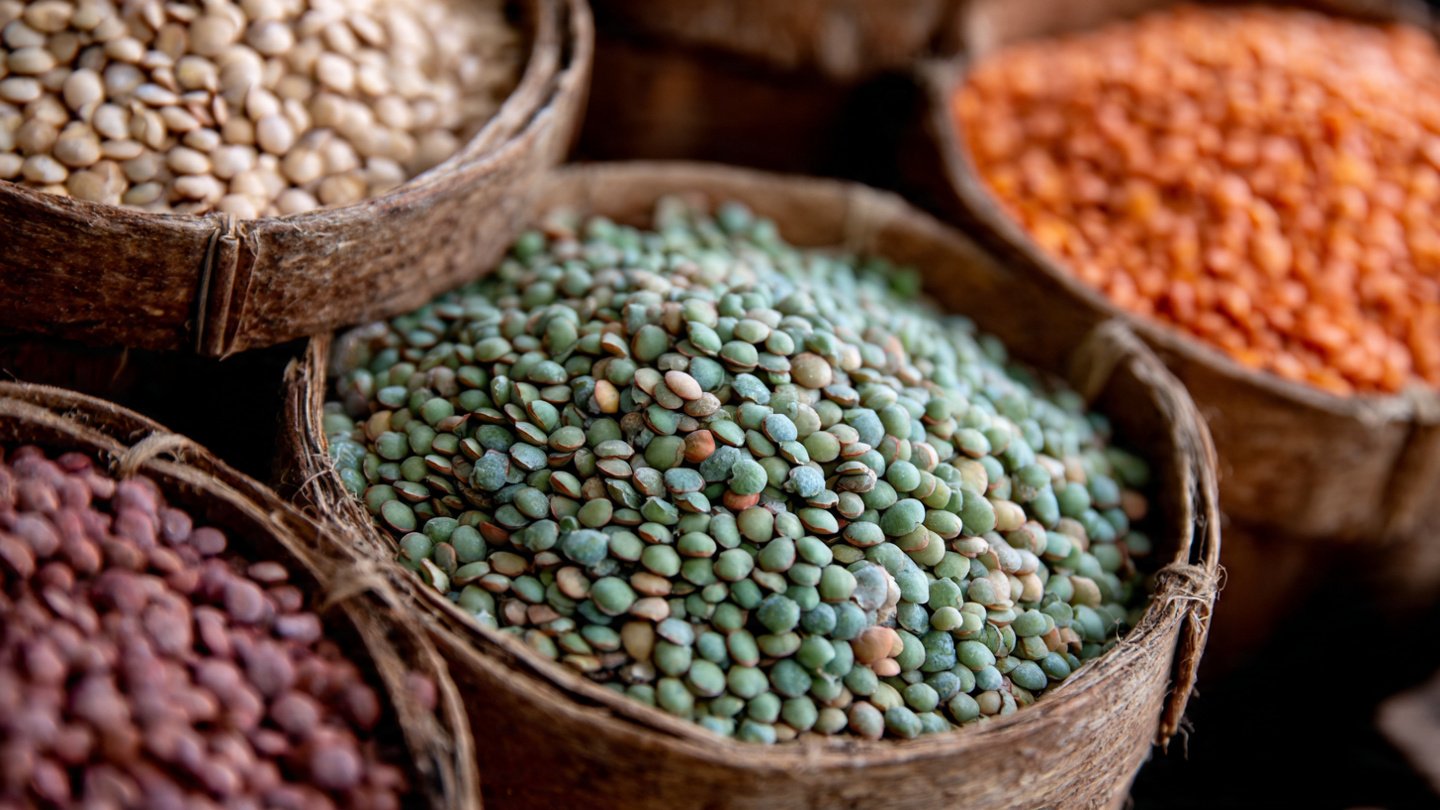
- Green or French Lentils – Larger, slightly peppery, and hold shape well after cooking.
- Red or Split Lentils – Smaller, softer, and cook quickly.
- Brown Lentils – Versatile with a mild flavor, great for soups and stews.
For small gardens, compact, bush-type varieties are ideal. These stay smaller than tall, sprawling types, making them easier to manage and suitable for raised beds or containers.
Preparing Your Garden Space
Lentils thrive in well-draining soil with a pH between 6.0 and 7.5. For small gardens, raised beds, large containers, or even deep pots can work if soil quality and drainage are ensured.
- Soil Preparation – Mix compost or well-rotted organic matter into the soil to enrich it. Lentils, like other legumes, can fix nitrogen, but adding a small amount of fertilizer during planting can boost early growth.
- Sunlight Requirements – Lentils need at least 6–8 hours of full sun per day. Choose a sunny location in your garden or on a balcony.
- Spacing – Plant lentils 1–2 inches apart in rows that are 12–18 inches apart. For containers, aim for similar spacing and use supportive trellises if necessary.
Planting Lentils
- Timing – Lentils prefer cool weather for germination and early growth. Plant seeds in early spring for a summer harvest, or in late summer for a fall harvest, depending on your climate.
- Seed Soaking – Soaking seeds overnight can improve germination rates.
- Sowing Depth – Plant seeds about 1 inch deep in soil. Cover lightly with soil and water gently.
- Watering – Keep soil consistently moist during germination, but avoid waterlogging. Once plants are established, lentils are relatively drought-tolerant.
Care and Maintenance
Lentils are generally low-maintenance, making them ideal for small-space gardeners.
- Weeding – Regularly remove competing weeds to give lentils room to grow.
- Mulching – Apply a thin layer of mulch around the base to retain soil moisture and prevent weed growth.
- Support – Tall or vining varieties may benefit from small trellises or stakes. Bush types usually remain compact.
- Pests and Diseases – Lentils are susceptible to aphids, leaf miners, and fungal diseases in humid climates. Inspect plants regularly, and remove affected leaves. Companion planting with herbs such as cilantro or basil may help deter pests naturally.
Encouraging Maximum Yield
- Nitrogen Fixation – Lentils naturally improve soil by fixing nitrogen. You can boost growth by inoculating seeds with rhizobium bacteria before planting, which helps roots form nodules and capture nitrogen more effectively.
- Water Management – Lentils require consistent moisture during flowering and pod formation. Water deeply but infrequently to encourage strong root development.
- Harvest Timing – Lentils are ready for harvest when pods turn yellow-brown and dry, and seeds rattle inside. Harvest promptly to prevent pods from splitting or falling to the ground.
Harvesting and Post-Harvest Tips
- Cutting – Use scissors or garden shears to cut plants at the base.
- Drying – Allow harvested plants to dry further in a shaded, well-ventilated area for a few days.
- Threshing – Shake or gently rub the dried pods to release the lentils.
- Cleaning – Remove debris, broken seeds, or empty pods.
- Storage – Store lentils in airtight containers in a cool, dark, dry place. Properly dried and stored, they can last up to a year.
Growing Lentils in Containers
For gardeners with extremely limited space, lentils can thrive in large pots or grow bags:
- Container Size – A depth of 12–15 inches and diameter of 12 inches or more per plant is ideal.
- Soil – Use a mix of garden soil, compost, and sand for excellent drainage.
- Watering – Containers dry out faster than garden soil, so regular monitoring is key.
- Mobility – Containers can be moved to catch maximum sunlight, which is especially helpful in small urban gardens.
Why Small Garden Lentils Are Worth the Effort
Growing lentils in a small garden may seem ambitious, but the benefits outweigh the effort:
- Self-Sufficiency – Homegrown lentils mean less dependency on packaged foods.
- Sustainable Gardening – Lentils improve soil health while requiring minimal fertilizers.
- Flavor and Nutrition – Freshly harvested lentils taste richer and retain maximum nutrients.
- Garden Diversity – Legumes like lentils help create a balanced garden ecosystem, attracting beneficial insects and improving soil quality for future crops.
Even a few plants in a backyard or container setup can yield enough lentils to experiment with homemade soups, stews, or sprouting.
Common Mistakes to Avoid
- Planting Too Late – Lentils need cooler conditions to thrive early; planting too late can result in stunted growth.
- Overwatering – Excess moisture can lead to root rot and fungal diseases.
- Ignoring Pests – Regular inspection is necessary; even small infestations can reduce yields.
- Harvesting Too Early – Immature lentils are small and soft; wait for pods to dry fully for best results.
Final Thoughts
Yes, you can grow your own lentils in a small garden. With proper planning, sunlight, soil, and watering, lentils can thrive in compact spaces, containers, and raised beds. Growing your own offers fresh, nutritious legumes for your kitchen, strengthens your garden’s ecosystem, and provides a rewarding connection to the food you eat.
Whether you’re a backyard gardener, urban container grower, or hobbyist looking for a unique addition to your garden, lentils are a versatile, low-maintenance, and surprisingly productive choice. From planting to harvest, this small legume delivers big rewards for home gardeners willing to give it a try.