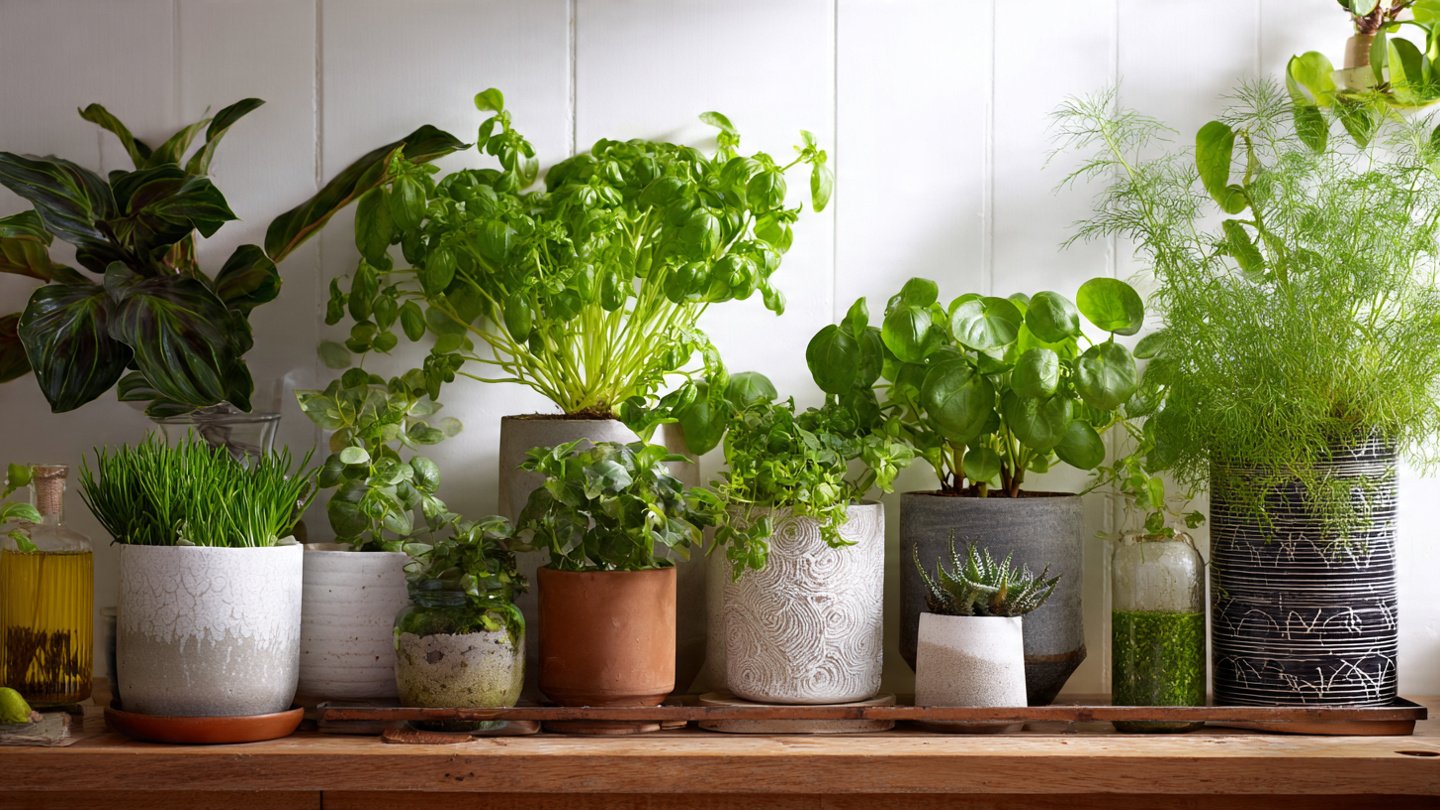
Indoor air quality has become an increasing concern for modern homeowners. Dust, chemical pollutants, and allergens can accumulate in homes, affecting health and well-being. Fortunately, nature has a simple solution: air-purifying plants. But what if you could grow these beneficial plants not from store-bought seedlings, but from kitchen scraps? It sounds almost too good to be true—but with a little know-how, it is possible to turn your leftover vegetable and fruit pieces into green, oxygen-boosting additions to your home.
Understanding Air-Purifying Plants
Certain plants are known to improve indoor air quality by removing harmful toxins such as formaldehyde, benzene, and ammonia. Popular examples include:
- Spider Plant (Chlorophytum comosum)
- Snake Plant (Sansevieria trifasciata)
- Pothos (Epipremnum aureum)
- Peace Lily (Spathiphyllum)
- Aloe Vera (Aloe barbadensis miller)
These plants naturally absorb pollutants through their leaves and roots, converting them into safer compounds. Having multiple air-purifying plants indoors can reduce dust, boost humidity, and improve the overall air you breathe.
The Idea of Growing Plants from Kitchen Scraps
Growing plants from kitchen scraps involves taking parts of fruits or vegetables that would normally be discarded—like peels, ends, or stems—and encouraging them to sprout roots and grow. Not only is this method cost-effective, but it’s also environmentally friendly, reducing food waste and creating sustainable green décor.
Not every plant can grow from scraps, but many common air-purifying varieties respond well to propagation techniques such as:
- Water propagation
- Soil propagation
- Leaf or stem cuttings
Which Air-Purifying Plants Can Be Grown from Scraps?
- Pothos
Pothos is one of the easiest indoor plants to propagate. You can grow a new plant from a stem cutting with at least one node. Place the cutting in water until roots develop, then transfer it to soil. Pothos is an excellent air purifier, filtering out formaldehyde and carbon monoxide. - Spider Plant
Spider plants produce small “pups” or offshoots that can be rooted in water or soil. Simply detach a pup and place it in water until roots form. Once mature, the new plant can be potted. Spider plants are highly effective at removing pollutants like xylene and formaldehyde. - Aloe Vera
Aloe vera can be grown from offsets or leaves. Take an offset (small plant growing near the base of the parent) and plant it in a well-draining soil mix. Aloe purifies the air by producing oxygen and can also be used topically for skin care. - Herbs (Basil, Mint, Rosemary)
Many kitchen herbs are also air purifiers and can regrow from cuttings. Simply place a fresh cutting in water until roots appear, then plant in soil. They provide both aromatic and air-cleaning benefits. - Lemon or Citrus Plants
The seeds from citrus fruit can be used to grow seedlings that eventually become indoor air-purifying trees. It takes patience, but the reward is fragrant leaves and small decorative fruit.
Step-by-Step Guide to Growing Plants from Kitchen Scraps
1. Choose Healthy Scraps
Select pieces that are fresh, firm, and free from mold or rot. For instance, the bottom part of green onions, the end of celery stalks, or leaves from herbs are ideal.
2. Prepare for Propagation
- Water Method: Place the scrap in a jar of water with the bottom side submerged. Change the water every 2–3 days to prevent bacterial growth.
- Soil Method: Plant the scrap in moist potting soil, burying the base or nodes where roots are likely to form. Keep the soil consistently damp but not waterlogged.
3. Provide Proper Light
Most air-purifying plants prefer bright, indirect sunlight. Avoid harsh direct sunlight that can scorch new growth.
4. Wait for Roots to Form
Roots typically begin to appear within 1–3 weeks, depending on the plant. Once roots are robust, transplant to a larger pot with well-draining soil.
5. Care and Maintenance
Continue caring for the new plant as you would a mature plant:
- Water regularly but allow soil to dry slightly between waterings
- Fertilize occasionally with organic plant food
- Prune dead leaves to encourage new growth
Benefits of Growing Air-Purifying Plants from Kitchen Scraps
- Cost-Effective Gardening
Instead of buying new plants, you can recycle scraps and propagate new ones, saving money. - Sustainable and Eco-Friendly
Reduces food waste and contributes to a greener home environment. - Healthier Indoor Air
Air-purifying plants reduce toxins, improve humidity, and promote cleaner breathing spaces. - Educational and Fun
Watching plants grow from scraps is rewarding, educational, and encourages sustainable habits for families and children.
Common Challenges and How to Overcome Them
- Rotting Scraps: Make sure scraps are not too old or damaged. Change water regularly to prevent bacteria.
- Slow Growth: Some plants take weeks to root; patience is key.
- Pest Issues: Indoor plants grown from scraps may attract pests. Inspect frequently and use natural remedies like neem oil if necessary.
- Lighting Issues: Insufficient light slows growth. Consider using a grow light in darker rooms.
Creative Ways to Display Your Scrap-Grown Plants
Once your plants are established, displaying them stylishly can enhance your indoor environment:
- Glass Jars or Mason Jars: Perfect for water-propagated plants.
- Hanging Planters: Ideal for trailing plants like Pothos or Spider Plant.
- Mini Indoor Herb Garden: Grow herbs in repurposed containers for easy cooking access.
- Tiered Shelves or Plant Stands: Create a dynamic, layered look for multiple plants.
The aesthetic appeal makes them feel magazine-worthy while also performing the practical role of purifying your indoor air.
Final Thoughts
Yes—you can grow air-purifying plants from kitchen scraps, and the process is both practical and rewarding. By choosing the right scraps, providing proper care, and maintaining patience, even novice gardeners can create lush indoor greenery that cleans the air and brightens living spaces. Beyond the environmental and health benefits, growing plants from scraps fosters creativity, sustainability, and a deeper connection with nature.
With a little effort, your kitchen scraps can transform into thriving indoor plants, turning your home into a naturally vibrant and oxygen-rich environment.