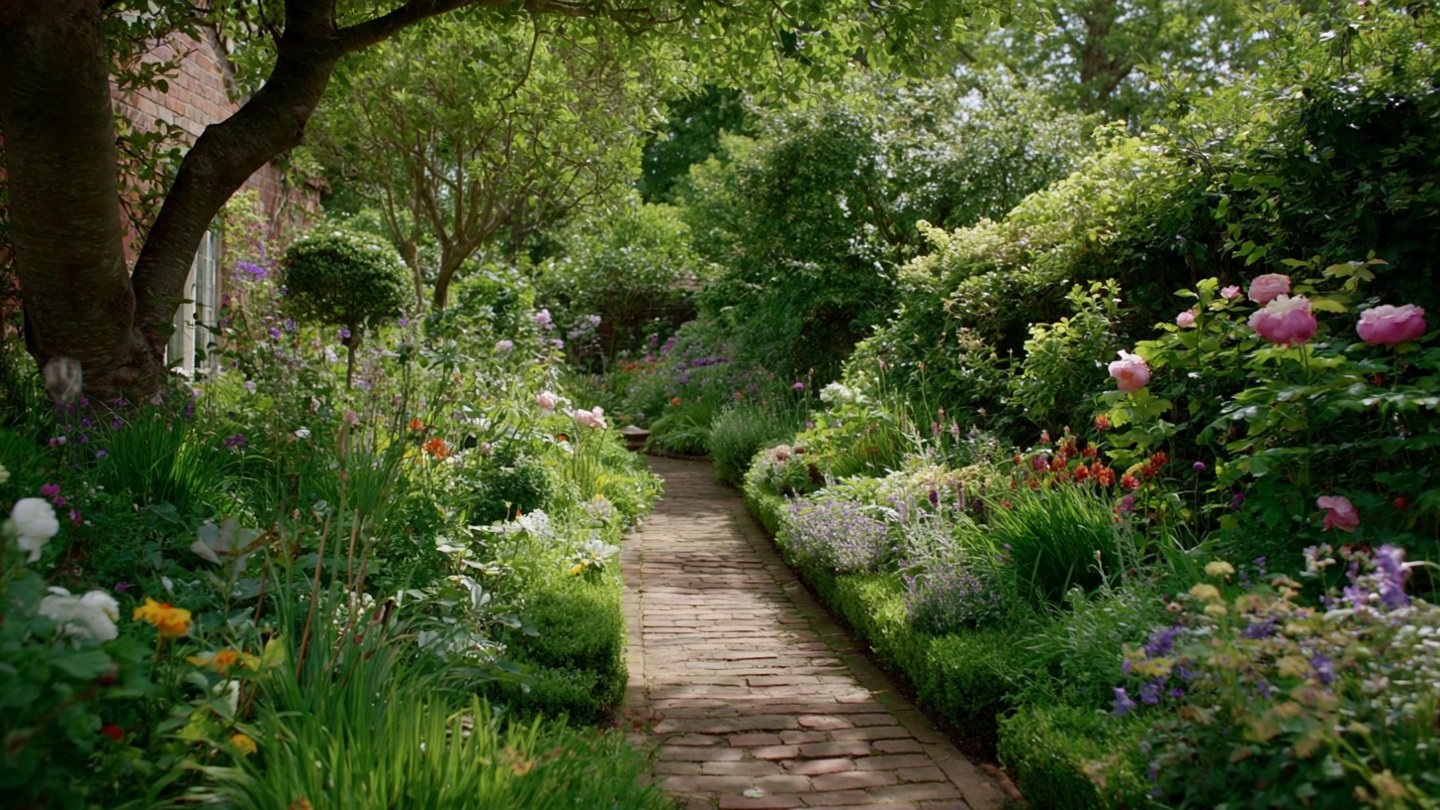
Gardening doesn’t have to be complicated to be beautiful. In fact, a thoughtfully designed garden with just a handful of plant varieties can look lush, sophisticated, and harmonious. Limiting yourself to five different plants encourages creativity, careful planning, and a focus on structure, texture, and color, proving that less truly can be more.
This guide explores how to create a visually striking garden using only five plants, covering plant selection, layout, design principles, and maintenance tips to ensure your garden thrives year-round.
Why Fewer Plants Can Be Better
Using a small number of plant varieties has several advantages:
- Cohesion and Simplicity: A limited palette prevents a chaotic or cluttered look, creating a harmonious and unified garden.
- Easy Maintenance: Fewer plant types mean simpler care routines, including watering, pruning, and fertilizing.
- Better Focus on Form and Texture: With fewer species, you can highlight unique foliage, interesting growth habits, or vibrant blooms.
- Cost-Effective: Investing in five strong, versatile plants is often more practical than buying dozens of different varieties.
By selecting plants carefully and arranging them strategically, you can achieve a garden that looks complex and layered without needing a long plant list.
Choosing the Right Five Plants
The key to success is selecting plants that complement each other in terms of height, texture, color, and seasonality. Consider including:
- A Structural Plant: Provides height and form, such as a small tree or upright shrub. Example: Boxwood or Murraya kamini.
- A Flowering Plant: Adds seasonal color. Example: Petunias, marigolds, or bougainvillea.
- A Foliage Plant: Offers texture and contrast with interesting leaves. Example: Coleus or hostas.
- A Groundcover: Fills gaps, reduces weeds, and adds a lush feel. Example: Creeping thyme, mondo grass, or ivy.
- A Trailing or Climbing Plant: Adds vertical interest or softens edges. Example: Climbing jasmine, ivy, or trailing petunias.
Choosing plants that serve different visual purposes ensures a balanced and dynamic garden despite the limited variety.
Planning Your Garden Layout
Even with only five plants, proper planning ensures the garden looks intentional and layered:
- Layering: Place taller plants at the back or center and step down to shorter plants and groundcovers in front.
- Repeating Elements: Repeat each plant throughout the garden to create rhythm and continuity.
- Focal Points: Use one or two plants with striking features as focal points to anchor the garden visually.
- Symmetry vs. Asymmetry: Decide if you want a formal, symmetrical garden or a natural, flowing layout. Both can work beautifully with five plants.
Sketching a simple layout before planting helps visualize spacing, height progression, and color balance.
Emphasizing Color, Texture, and Form
With a limited plant palette, texture and form become just as important as color:
- Leaf Shape: Combine broad, dramatic leaves with fine or feathery foliage to create contrast.
- Leaf Color: Use plants with different shades of green or variegated leaves to add interest even when flowers aren’t in bloom.
- Growth Habit: Mix upright, mounded, and trailing plants for a dynamic, multi-dimensional effect.
- Flower Timing: Stagger flowering times to ensure continuous color throughout the season.
By focusing on these visual elements, your five-plant garden will look rich and varied, even without dozens of species.
Creating a Year-Round Impact
A successful five-plant garden should remain attractive throughout the year:
- Evergreens: Include at least one evergreen to maintain structure during winter.
- Seasonal Bloomers: Choose flowering plants that bloom at different times to extend visual interest.
- Variegated Foliage: Plants with colorful or patterned leaves add appeal when flowers are absent.
- Leaf Texture: Mix glossy, matte, serrated, or lobed leaves for year-round visual intrigue.
Even with only five plants, careful selection allows your garden to evolve naturally and remain captivating in every season.
Companion Planting Principles
Even with limited species, companion planting can enhance growth, health, and visual appeal:
- Beneficial Neighbors: Some plants deter pests or attract pollinators, supporting a thriving garden. For example, marigolds repel certain insects and boost nearby plants.
- Height and Shade Considerations: Taller plants can provide shelter to shade-tolerant species.
- Root Competition: Space plants with similar water and nutrient needs together to avoid competition and promote healthy growth.
Understanding these principles ensures your garden flourishes without overcrowding or plant stress.
Maintenance Tips for a Small, Impactful Garden
A five-plant garden is easier to maintain but still requires regular care:
- Watering: Maintain consistent soil moisture based on each plant’s needs. Mulch helps retain moisture naturally.
- Fertilizing: Use balanced or plant-specific organic fertilizers to encourage healthy growth.
- Pruning: Regularly trim structural plants, flowering shrubs, and trailing vines to maintain form and encourage blooms.
- Pest Management: Monitor plants for pests and diseases. Use natural remedies like neem oil, insecticidal soap, or companion planting to minimize issues.
- Weeding: Keep groundcover and beds free of invasive weeds to reduce competition.
With these steps, your garden remains healthy and visually appealing with minimal effort.
Using Containers for Flexibility
A five-plant garden doesn’t need a large plot of land. Containers allow flexibility:
- Grouping Plants: Arrange taller plants in the back and trailing varieties in front.
- Mobility: Move pots to optimize light conditions or protect from frost.
- Soil Control: Container planting allows better control over soil quality and moisture levels.
For balconies, patios, or small urban gardens, containers are ideal for creating a lush, five-plant oasis.
Example of a Balanced Five-Plant Garden
Here’s a sample plant combination for a visually striking and balanced garden:
- Boxwood: Upright evergreen for structure.
- Marigold: Seasonal color and pest deterrence.
- Coleus: Variegated foliage for texture and interest.
- Mondo Grass: Low groundcover to fill spaces and suppress weeds.
- Climbing Jasmine: Trailing or climbing plant for vertical appeal and fragrance.
This combination offers height variation, foliage contrast, seasonal blooms, and aromatic interest—all with just five plants.
Conclusion
Creating a beautiful garden with just five plants is entirely possible. By carefully selecting complementary species, planning your layout, emphasizing texture and form, and maintaining healthy growth practices, a small palette can produce a lush, visually dynamic garden.
Limiting yourself to five plants encourages creativity and intentional design, resulting in a cohesive, low-maintenance space that still delights the senses. Whether in the backyard, on a balcony, or in a front yard bed, a thoughtfully crafted five-plant garden proves that beauty doesn’t require complexity—just careful planning, attention, and a touch of imagination.