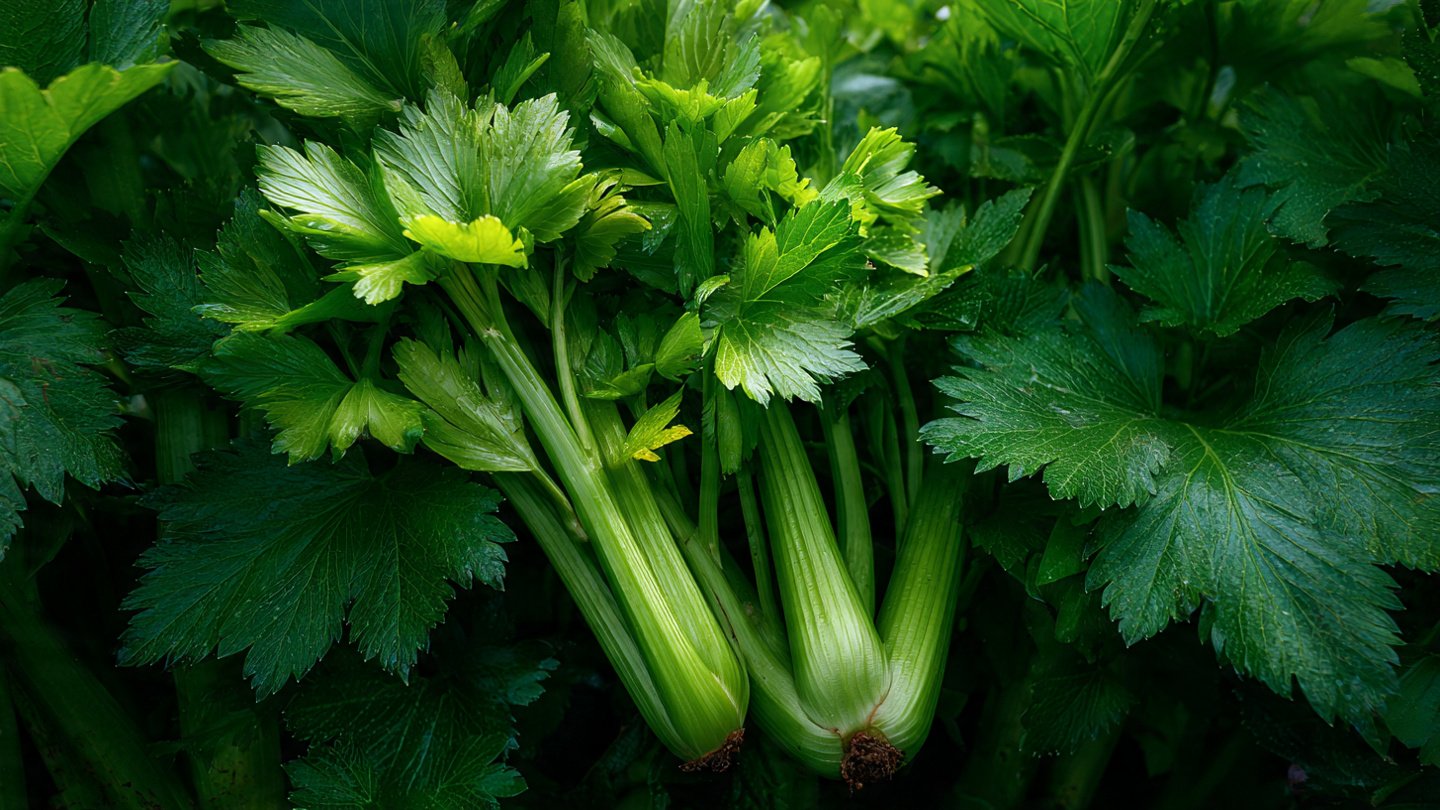
Celery is often grown for its crisp stalks, but many gardeners overlook one of its most valuable parts: the leaves. Celery leaves are packed with flavor, nutrients, and versatility, making them a fantastic addition to any kitchen garden. Learning how to grow celery specifically for leaf harvest can dramatically increase your yields while requiring less space and patience than growing full-sized stalks. This article will guide you step by step through mastering the celery leaf harvest method so you can enjoy a continuous, bountiful supply straight from your garden.
Why Grow Celery for Leaf Harvest?
Celery leaves are intensely aromatic and often more flavorful than the stalks. They are widely used in soups, stocks, salads, stir-fries, and garnishes. From a gardening perspective, harvesting leaves allows you to enjoy the plant early and repeatedly, rather than waiting months for thick stalks to mature.
Growing celery for leaf harvest is also ideal for small gardens, containers, balconies, and even indoor setups. Since you are not focusing on large stalk formation, the plant can thrive in tighter spaces and be harvested continuously without being uprooted.
Choosing the Right Celery Variety
Most celery varieties can be grown for leaf production, but leafy or cutting celery types are especially suitable. These varieties are bred to produce abundant foliage rather than thick stalks. When selecting seeds, look for descriptions that emphasize leaf yield, aroma, or culinary use.
Healthy seeds are essential for good germination. Since celery seeds are tiny and slow to sprout, patience and proper technique are key during the early stages.
Starting Celery from Seed
Celery seeds require light to germinate, so they should be sown on the surface of the soil rather than buried deeply. Use a fine, well-draining seed-starting mix and gently press the seeds into the soil. Mist lightly to keep the surface moist.
Germination can take 2–3 weeks, so maintain consistent moisture and warm temperatures. Once seedlings develop a few true leaves, they can be transplanted into larger containers or garden beds.
Soil Preparation for Lush Leaf Growth
Celery is a heavy feeder and thrives in rich, moisture-retentive soil. For leaf harvesting, soil fertility is even more important because frequent cutting demands continuous regrowth.
Prepare the soil by mixing in generous amounts of compost or well-rotted organic matter. The soil should be loose, fertile, and able to hold moisture without becoming waterlogged. Slightly acidic to neutral soil works best for optimal nutrient uptake.
Ideal Light Conditions
Celery prefers full sun to partial shade. For leaf-focused growth, 4–6 hours of direct sunlight daily is usually sufficient. In hotter climates, partial afternoon shade can help prevent stress and bitter-tasting leaves.
If growing celery indoors or in low-light conditions, supplemental grow lights can help maintain steady growth and vibrant green leaves.
Watering: The Key to Tender Leaves
Consistent moisture is critical when growing celery. Uneven watering can result in tough, bitter leaves and slow regrowth. The soil should always remain evenly moist, especially during warm weather.
Container-grown celery may need watering daily. Mulching around the base of the plant helps retain moisture and regulate soil temperature, both of which encourage healthy leaf production.
Fertilizing for Continuous Harvest
Since you will be harvesting celery leaves frequently, the plant needs regular feeding. Apply a balanced liquid fertilizer or organic feed every 2–3 weeks. Nitrogen-rich fertilizers are particularly helpful for promoting lush, leafy growth.
Avoid over-fertilizing, as excessive nutrients can lead to overly soft growth or reduced flavor. A steady, moderate feeding schedule is ideal.
The Celery Leaf Harvest Method Explained
The key to mastering celery leaf harvesting lies in how and when you cut. Begin harvesting once the plant reaches about 8–10 inches in height. Use clean scissors or garden shears to cut the outer leaves first, leaving the inner, younger leaves intact.
Always harvest no more than one-third of the plant at a time. This ensures the celery continues to photosynthesize efficiently and quickly replaces the harvested leaves. With proper care, you can harvest from the same plant for several months.
Frequency of Harvesting
Celery leaves can be harvested every 1–2 weeks, depending on growth rate. Regular harvesting actually encourages the plant to produce more foliage, resulting in a bushier and more productive plant.
If you notice slower regrowth, allow the plant a short rest period and ensure it is receiving adequate water and nutrients.
Preventing Bolting
Bolting occurs when celery sends up a flower stalk, signaling the end of leaf production. Heat stress, drought, and inconsistent care are common triggers. To prevent bolting, keep the soil consistently moist and provide shade during extreme heat.
Harvesting leaves regularly also helps delay bolting by redirecting the plant’s energy toward foliage production rather than flowering.
Managing Pests and Diseases
Common pests such as aphids, leaf miners, and caterpillars may target celery leaves. Regular inspection is essential, especially since you will be harvesting the leaves for kitchen use.
Natural solutions like neem oil, insecticidal soap, or manual removal are usually sufficient. Good airflow, proper spacing, and avoiding overhead watering help prevent fungal diseases.
Growing Celery Leaves in Containers
Celery adapts well to containers, making it perfect for kitchen gardens and balconies. Choose a pot at least 8–10 inches deep with good drainage. Container-grown celery requires more frequent watering and feeding but offers greater control over growing conditions.
You can even grow celery leaves indoors near a bright window, ensuring a steady supply year-round.
Using and Storing Celery Leaves
Fresh celery leaves can be used immediately after harvest. For short-term storage, keep them in the refrigerator wrapped in a damp paper towel. They can also be dried or frozen for long-term use without losing much flavor.
Regular use in the kitchen ensures nothing goes to waste and keeps your garden productive.
Final Thoughts
Mastering the celery leaf harvest method transforms celery from a slow-growing crop into a continuous source of fresh, flavorful greens. By focusing on soil fertility, consistent moisture, proper feeding, and gentle harvesting techniques, you can enjoy a thriving celery plant that delivers harvest after harvest. Whether grown in a garden bed, container, or indoor setup, celery leaves are a rewarding and practical addition to any kitchen garden.