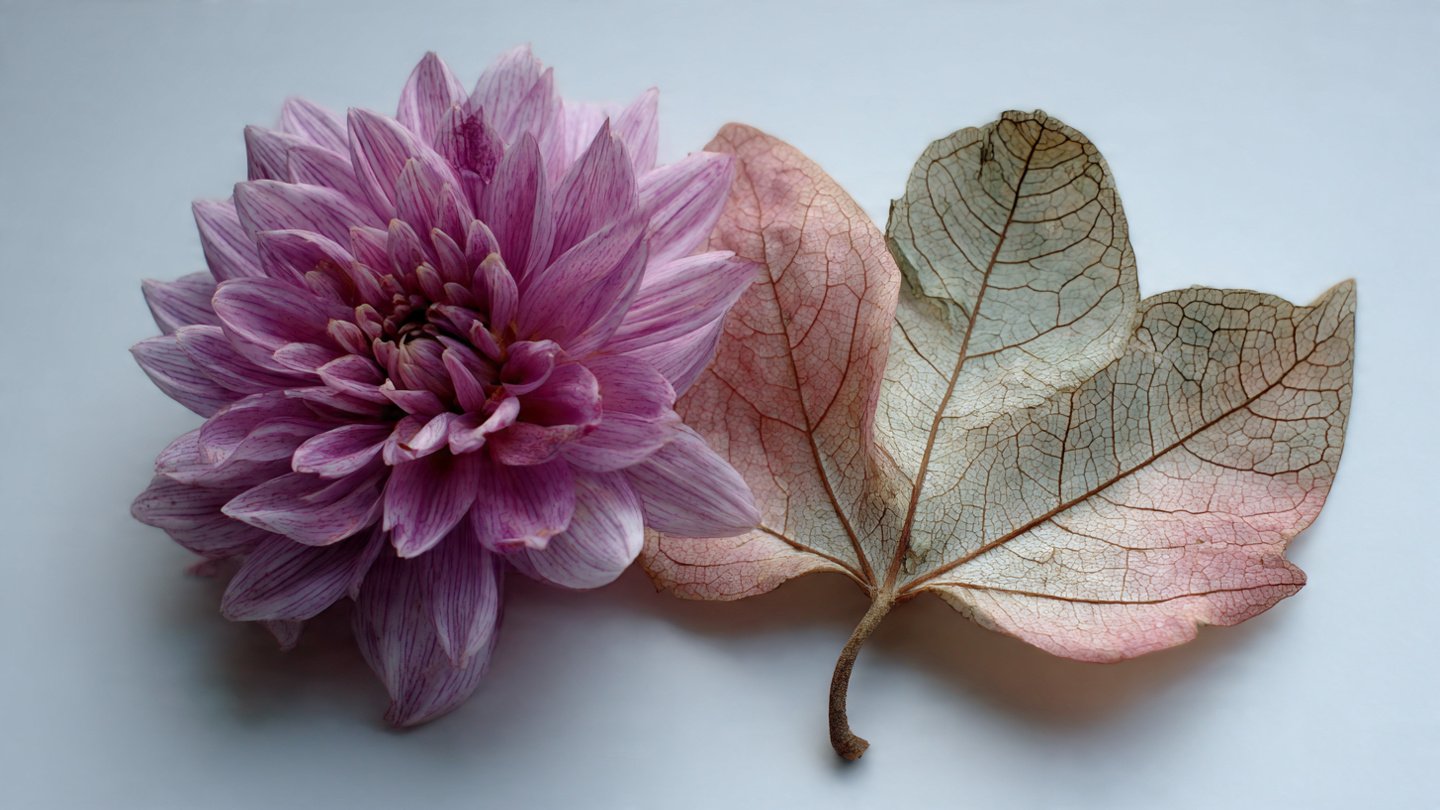
For plant lovers and gardeners, few things are more disheartening than seeing a beloved flower wither and die. Yet, in the world of horticulture, there’s a fascinating concept that a single leaf cutting can sometimes breathe new life into a struggling or dying plant. While this may sound like a gardening myth, many plant enthusiasts and experts have found success using leaf propagation techniques to revive plants, especially certain species known for their resilience. In this article, we’ll explore whether a single leaf cutting can truly revive a dying flower, the science behind it, and practical tips for attempting this remarkable horticultural trick.
Understanding Leaf Cuttings
Leaf cuttings are a form of asexual propagation where a portion of a plant—typically a leaf or a section of a leaf—is used to grow a new plant. Unlike seeds, leaf cuttings create clones of the parent plant, preserving its unique characteristics. This method works particularly well for plants capable of generating roots and shoots from vegetative tissue, such as succulents, African violets, begonias, and certain houseplants.
The idea behind reviving a dying flower with a leaf cutting is based on the plant’s ability to regenerate. Even when the main plant seems near death, the leaf can sometimes develop roots and new shoots, effectively creating a fresh, healthy plant from a fragment of the old one.
Which Plants Respond Best to Leaf Cuttings?
Not all flowers and plants can be revived from a single leaf. Some species are more suited for leaf propagation than others:
- Succulents (e.g., Jade, Echeveria, Kalanchoe) – These plants store water and nutrients in their leaves, making them ideal candidates for leaf propagation. Even a small leaf can produce roots and a new rosette.
- African Violets (Saintpaulia) – Known for their ability to root from leaf petioles, African violets respond well to leaf cuttings and can develop full plants from a single healthy leaf.
- Begonias – Many begonia varieties can propagate from leaf segments, particularly those with prominent veins.
- Other Houseplants – Certain plants like Peperomia, Monstera adansonii, and Snake Plant (Sansevieria) can regenerate from leaf portions under the right conditions.
Flowers with woody stems or complex root systems, such as roses, hibiscus, or lilies, generally do not respond to single leaf propagation. For these species, stem cuttings or grafting techniques are more effective.
How Leaf Cuttings Work
The science behind leaf cuttings involves plant hormones and cellular regeneration. When a leaf is separated from the parent plant, it produces hormones such as auxins and cytokinins, which stimulate root and shoot formation. Under the right conditions of moisture, light, and temperature, these hormones encourage the leaf to develop roots at its base, eventually forming a new plant.
Key factors for successful leaf propagation include:
- Healthy Leaf Selection – Choose a healthy, mature leaf without signs of disease or severe damage.
- Proper Cutting Technique – For many plants, the leaf is cut at the base or along the veins, depending on the species.
- Rooting Medium – Use a well-draining medium such as a mix of perlite, sand, and peat or cactus soil for succulents.
- Humidity and Light – Maintain high humidity and indirect sunlight to reduce stress and encourage root growth.
Step-by-Step Guide to Using a Leaf Cutting to Revive a Dying Flower
- Assess the Plant – If your flower is dying due to poor watering, pests, or disease, a leaf cutting might be the last chance to save its lineage.
- Select a Leaf – Pick a healthy, undamaged leaf. Avoid leaves that are yellowing, wilting, or completely dried out.
- Cut the Leaf – Use sterilized scissors or a knife to remove the leaf. For African violets, cut at the petiole; for succulents, gently twist or slice the leaf near its base.
- Allow to Callous (Succulents) – Let succulent leaves sit in a dry, shaded area for a day or two until the cut end callouses. This prevents rotting once planted.
- Prepare the Rooting Medium – Fill a small pot with well-draining soil, sand, or perlite. Moisten lightly but avoid waterlogging.
- Plant the Leaf – Insert the leaf cut end slightly into the soil. For some plants, lay the leaf flat on the soil and ensure the veins touch the medium.
- Maintain Ideal Conditions – Keep the cutting in bright, indirect light and maintain consistent humidity. Covering with a clear plastic dome can help retain moisture.
- Wait Patiently – Root formation can take several weeks. Check periodically for signs of new growth. Once roots and small shoots appear, gradually acclimate the new plant to normal conditions.
Common Mistakes to Avoid
- Planting Damaged Leaves – Weak or diseased leaves are unlikely to regenerate.
- Overwatering – Excess moisture can cause the cutting to rot before roots form.
- Direct Sunlight – Intense sunlight can scorch the cutting and hinder growth.
- Impatience – Leaf propagation is slow; removing the leaf prematurely can prevent success.
Realistic Expectations
While some plants can indeed be revived from a single leaf cutting, it’s important to understand that the original flower itself may not survive. The leaf cutting does not “revive” the dying flower in the sense of bringing it back to life; rather, it produces a new plant that carries the genetic traits of the original. In this way, gardeners can save the lineage and enjoy a fresh start, even if the parent plant is beyond recovery.
Benefits of Leaf Propagation
- Cost-Effective – Revive plant lineage without buying new seeds or plants.
- Space-Saving – Leaf cuttings take up little space during propagation.
- Eco-Friendly – Reduces waste by repurposing parts of dying plants.
- Educational – Teaches gardeners about plant regeneration and care.
Conclusion
So, can a single leaf cutting really revive a dying flower? The answer is both yes and no. While the leaf itself cannot bring a withering flower back to life, it can grow into a completely new, healthy plant if taken from a species suited for leaf propagation. By understanding which plants respond best, following proper techniques, and providing optimal care, gardeners can transform a seemingly hopeless situation into a rewarding success. This fascinating method of propagation highlights the resilience of plants and the joy of nurturing new life from even the smallest beginnings. With patience, attention, and a little bit of horticultural know-how, a simple leaf cutting can indeed carry forward the legacy of a once-dying flower.