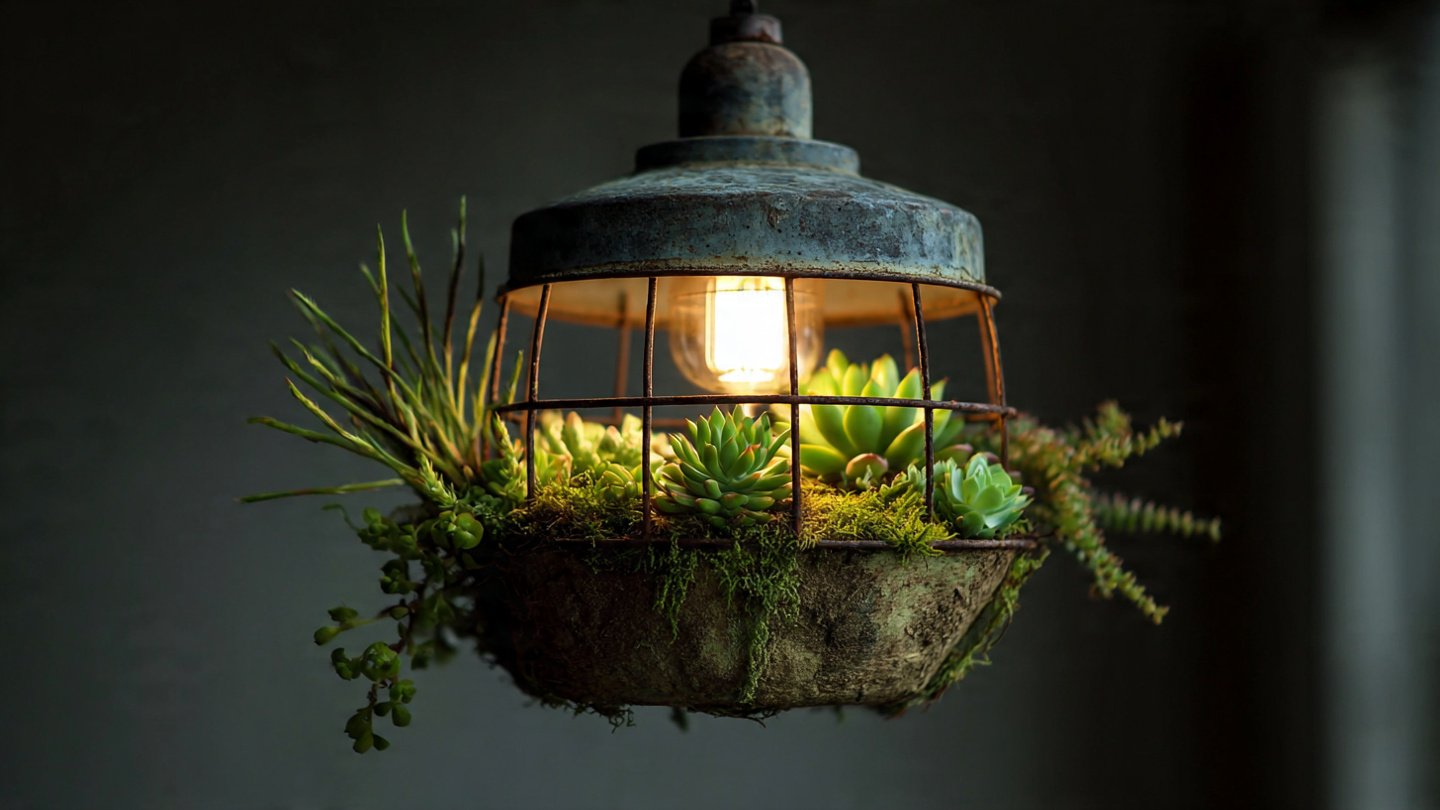
In today’s world of eco-friendly living and home gardening, repurposing old household items has become both a practical and creative trend. One of the most inspiring ideas is transforming old light fixtures into unique hanging planters. Not only does this approach help reduce waste, but it also adds a distinctive touch to your indoor or outdoor space. Imagine your old chandeliers, pendant lights, or lampshades coming back to life as vibrant plant displays, bringing color, texture, and greenery into your home. If you’re ready to explore this innovative gardening hack, here’s a complete guide on how to turn your outdated light fixtures into charming hanging planters.
Why Choose Light Fixtures as Planters?
Old light fixtures often have intricate designs, interesting shapes, and sturdy frames that make them perfect candidates for repurposing. Here are some reasons why light fixtures are ideal for planters:
- Unique Aesthetic Appeal: Unlike standard pots, light fixtures come in a variety of shapes and sizes, offering a creative canvas for your plants. A wire cage pendant, for example, can cradle trailing vines beautifully.
- Durability: Many fixtures, especially metal or glass ones, are designed to last. Their sturdy construction can safely hold soil and plants without worrying about breakage.
- Eco-Friendly: Repurposing reduces waste and promotes sustainable living. Instead of tossing old fixtures into the landfill, you give them a new life as functional decor.
- Versatility: Light fixtures can be used both indoors and outdoors. You can hang them from ceilings, porches, or even trees, making them adaptable to various spaces.
Selecting the Right Light Fixtures
Not all old light fixtures are suitable for planting. Before you begin, consider the following:
- Material: Metal and glass fixtures are ideal. They are durable and can handle moisture. Wooden fixtures may require extra waterproofing.
- Design: Open-frame designs, like wire cages or lanterns, allow for better air circulation and drainage. Fully enclosed fixtures may trap moisture, which can harm plants.
- Size: The fixture should have enough space to accommodate soil and plant roots. Small pendant lights may only work for succulents or air plants. Larger chandeliers can hold a variety of flowering plants or greenery.
Preparing Your Fixture for Planting
Before filling your old light fixture with soil, you need to make some modifications to ensure it is safe and suitable for plants:
- Clean Thoroughly: Remove dust, rust, and old wiring. If the fixture was previously electrical, ensure all wires are safely removed or capped.
- Create Drainage: Plants need proper drainage to avoid root rot. You can add a layer of small stones or pebbles at the bottom. Some metal or wire-frame fixtures may allow water to drain naturally. For glass or enclosed designs, you may need to drill small holes carefully.
- Line the Fixture: To prevent soil from falling out, line the interior with moss, coconut coir, or a piece of breathable fabric. This will also help retain moisture while allowing excess water to escape.
Choosing the Right Plants
The type of plants you select depends on the light, space, and style of your hanging planter. Here are some excellent options:
- Trailing Plants: Plants like pothos, string of pearls, and ivy work well with hanging planters, creating cascading greenery.
- Air Plants (Tillandsia): These plants don’t require soil, making them perfect for fixtures with open designs. Simply tuck them into the frame with moss or wire.
- Succulents: For fixtures with limited drainage, succulents are a low-maintenance option. They require minimal water and thrive in small containers.
- Flowering Plants: If your fixture is large enough, small flowering plants like petunias, begonias, or fuchsias can add bursts of color.
Hanging and Displaying Your Planters
Once your fixture is prepared and planted, it’s time to hang it in its new home. Consider the following tips:
- Location: Ensure the hanging planter receives the appropriate amount of sunlight based on the plant type. Trailing plants like moderate light, while succulents need bright, direct sunlight.
- Support: Make sure the hook or ceiling mount can support the weight of the fixture, soil, and water. Metal chains or strong ropes are recommended for heavier fixtures.
- Height: Hang the planter at a height that allows the plants to cascade naturally without obstruction. For indoor use, ensure it doesn’t interfere with foot traffic or daily activities.
Maintenance Tips
Even though these planters are visually stunning, they do require some maintenance:
- Watering: Use a small watering can or spray bottle to avoid overwatering. Be careful not to let excess water drip onto furniture or floors.
- Pruning: Trim dead leaves or overgrown stems to keep the plants healthy and prevent them from overwhelming the fixture.
- Cleaning: Periodically clean the fixture to remove dust, cobwebs, or algae buildup. A damp cloth works well for metal and glass.
Creative Ideas and Inspiration
The beauty of repurposing light fixtures is the endless possibilities. Here are some creative ideas to get your imagination flowing:
- Chandelier Herb Garden: Convert an old chandelier into a multi-tiered herb garden in your kitchen. Each tier can hold a different herb, offering both visual appeal and culinary convenience.
- Lantern Succulent Display: Hang vintage lanterns in a window or patio and plant succulents inside. The natural light and interesting frame create a miniature desert scene.
- Wire Cage Fairy Garden: Use a wire pendant light to create a whimsical fairy garden with moss, tiny figurines, and trailing plants.
- Mason Jar Fixture: Repurpose mason jar lights into small indoor planters for cacti or air plants, ideal for desktops or windowsills.
Final Thoughts
Turning old light fixtures into hanging planters is a perfect blend of creativity, sustainability, and gardening. Not only does it revive unused items, but it also elevates your space with a unique and eye-catching focal point. Whether you choose a chandelier, pendant light, or vintage lamp, the possibilities for design and plant combinations are virtually limitless. By following the steps outlined above—from selecting the right fixture to choosing appropriate plants and ensuring proper maintenance—you can create stunning living decor that reflects both your personality and love for greenery.
Repurposing light fixtures as planters isn’t just a DIY project; it’s a lifestyle choice that promotes sustainability, creativity, and the joy of gardening. So the next time you look at an old, unused light fixture, don’t toss it aside. Instead, envision it with a cascade of vibrant greens and flowers, turning an ordinary household item into a thriving garden centerpiece.