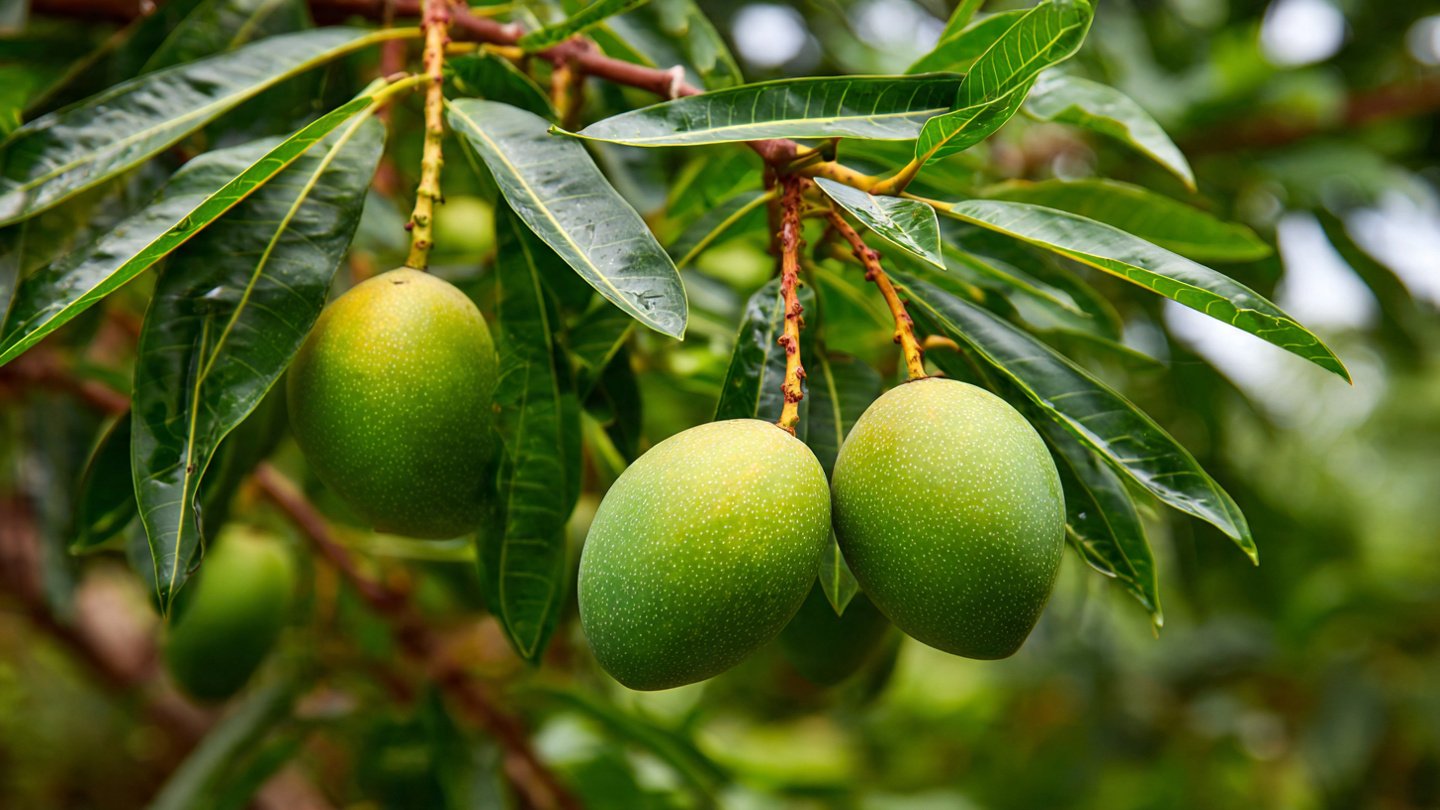
Can an Egg Really Help You Grow a Mango Tree? A Step-by-Step Guide to Boosting Growth Naturally
Mango trees are a dream for gardeners and fruit lovers alike. Their luscious, sweet fruits are enjoyed worldwide, and nothing beats picking a ripe mango straight from your own tree. But growing a mango tree at home can be a slow process, often taking several years before the first fruits appear. Recently, a simple yet intriguing gardening hack has been making rounds: using an egg to help grow a mango tree faster and healthier.
This step-by-step guide explores how an egg can benefit your mango sapling, why it works, and the best way to apply this method for optimal results. Whether you’re planting in a backyard or a large pot, this guide will help you grow a thriving mango tree.
Why Consider an Egg for Your Mango Tree?
Eggs have been used in gardening for centuries in various forms—crushed eggshells as natural fertilizer, whole eggs to boost soil nutrients, or eggs mixed with water for foliar feeding.
The benefits of using an egg for mango growth include:
- Rich in Nutrients – Eggs contain nitrogen, phosphorus, calcium, and potassium, all essential for plant growth.
- Stronger Roots and Stems – Nutrients from the egg support vigorous root and stem development.
- Faster Growth – The natural fertilizer effect can help young mango trees establish more quickly.
- Healthier Leaves and Fruits – Calcium from eggshells improves leaf strength and fruit quality.
When applied correctly, an egg can act as a slow-release nutrient source, providing young mango plants with everything they need to grow faster and healthier.
Step 1: Choosing the Right Mango Seed
Before using any egg-related technique, start with a healthy mango seed:
- Select a ripe, fresh mango from a known variety.
- Remove the seed carefully and wash off any remaining fruit pulp.
- Dry the seed in a shaded area for 1–2 days.
Healthy seeds germinate faster and produce stronger saplings, ensuring the egg technique is more effective.
Step 2: Preparing the Egg
There are different ways to use an egg for mango planting, but the most effective is a combination of whole egg and eggshell.
Materials Needed:
- One fresh chicken egg
- Crushed eggshell
- A pot with soil or a prepared garden spot
Preparation:
- Gently crush the eggshell into small pieces. This provides slow-release calcium for the growing plant.
- Use the egg contents (yolk and white) for nutrient boost. The egg acts as a natural fertilizer.
Step 3: Planting the Mango Seed with an Egg
This method integrates the egg directly into the planting process:
- Fill a pot or planting hole with well-draining soil, rich in organic matter.
- Make a small depression in the soil, about 2 inches deep.
- Place the mango seed in the depression.
- Pour the egg contents gently over the seed, ensuring it seeps into the soil without washing the seed away.
- Sprinkle the crushed eggshell around the base of the seed.
- Cover lightly with soil, keeping the seed top slightly exposed.
- Water gently to settle the soil.
This process ensures that the young seedling receives essential nutrients right from the start, stimulating rapid root and stem growth.
Step 4: Providing Optimal Conditions for Growth
Mango trees thrive under specific conditions, which also help the egg method work effectively:
- Sunlight: Mango seeds need bright sunlight for faster germination. Place pots in a sunny spot or ensure garden plants get at least 6–8 hours of direct sunlight.
- Temperature: Warm climates accelerate growth. Ideal temperatures range from 24°C to 30°C (75°F–86°F).
- Watering: Keep soil consistently moist during germination but avoid waterlogging. Overwatering can rot the seed.
- Soil: Well-draining soil is essential. Mix compost or vermicompost for added nutrients.
Proper care ensures that the egg nutrients are absorbed efficiently, promoting faster and healthier growth.
Step 5: Germination and Early Seedling Care
Mango seeds typically germinate within 2–4 weeks, depending on the variety and conditions. Once sprouts appear:
- Continue watering gently and keep the soil moist.
- Ensure the seedling receives sufficient sunlight but protect it from harsh midday heat initially.
- Apply light compost or organic fertilizer every 2–3 weeks to supplement the egg nutrients.
- Remove weak or damaged leaves to focus energy on strong growth.
Using an egg at planting gives the seedling an early nutrient boost, resulting in sturdier roots, thicker stems, and healthier leaves compared to conventional planting.
Step 6: Transplanting Your Mango Seedling
After 3–6 months, when the seedling has grown several inches tall and developed a strong root system:
- Prepare a larger pot or a garden space with enriched soil.
- Carefully dig around the seedling to avoid root damage.
- Transplant, keeping the soil level consistent and watering immediately after planting.
- Continue using crushed eggshell around the base periodically to maintain calcium levels.
This step ensures that your mango tree continues to grow vigorously and eventually matures into a fruiting tree.
Step 7: Long-Term Care for Fruiting Mango Trees
Once established, the mango tree needs consistent care to grow big and produce sweet fruits:
- Fertilization: Use organic compost, cow manure, or a balanced NPK fertilizer every 2–3 months.
- Pruning: Remove dead branches and shape the tree to promote airflow and sunlight penetration.
- Watering: Deep, infrequent watering is best once the tree is mature.
- Pest Control: Watch for common pests like mango hoppers or mealybugs and use neem oil or natural remedies as needed.
- Mulching: Apply mulch around the base to retain moisture and improve soil fertility.
Over time, a healthy tree grown with the egg method can produce fruits faster than traditionally planted mango trees.
Why This Method Works
Eggs are a natural powerhouse of nutrients:
- Nitrogen: Boosts leafy and stem growth.
- Phosphorus: Supports root development and flowering.
- Calcium: Strengthens cell walls, preventing stem breakage and promoting fruit quality.
- Potassium: Enhances fruit development and sweetness.
By providing these nutrients directly at planting, the egg method accelerates early growth, reduces transplant shock, and sets the foundation for a healthy, productive mango tree.
Tips for Maximizing Success
- Always use fresh, organic eggs for planting.
- Combine egg contents with crushed eggshells for immediate and slow-release nutrients.
- Avoid over-fertilizing after planting; young seedlings are sensitive.
- Ensure consistent sunlight and warm temperatures for germination.
- Monitor the seedling closely, removing pests and ensuring proper moisture.
With these tips, even home gardeners can grow mango trees successfully, starting from seed and getting a head start with an egg.
Conclusion: A Simple Hack for a Healthy Mango Tree
Yes, an egg can really help you grow a mango tree! By providing essential nutrients and promoting stronger roots and stems, this simple, natural method gives young mango trees a healthy boost.
While patience is still required—mango trees take time to mature—the egg technique can shorten the waiting period and improve overall plant health. Combine this with proper sunlight, watering, soil, and long-term care, and your homegrown mango tree could become a prolific producer of sweet, juicy fruits.
From a small seed to a thriving fruiting tree, an egg may just be the secret ingredient you need to grow your own mango paradise.