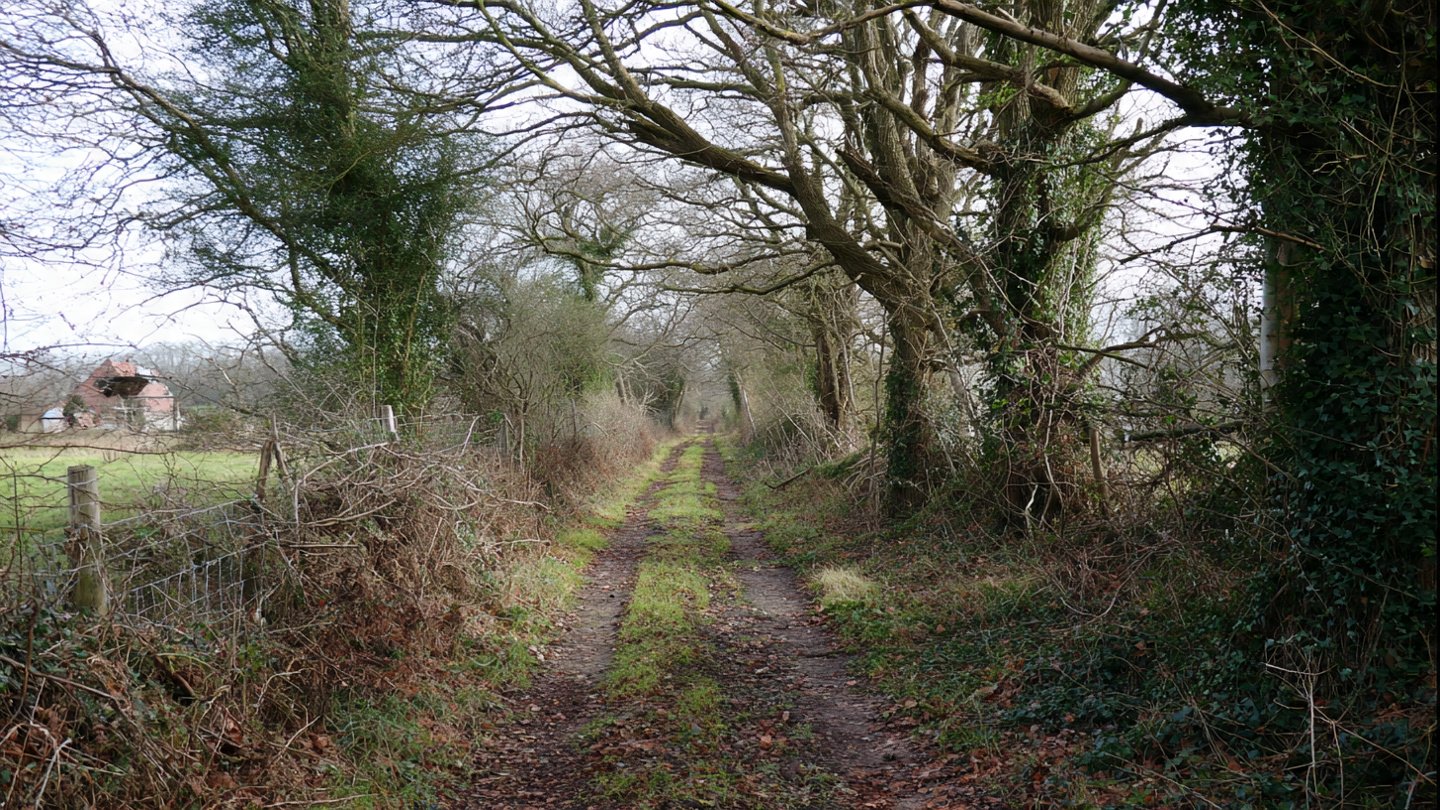
Across vast stretches of farmland, fields once stretched uninterrupted from fence to fence, optimized for machinery but stripped of natural diversity. While this approach increased short-term efficiency, it came at a hidden ecological cost: the disappearance of hedgerows. These living boundaries—once a defining feature of rural landscapes—played a vital role in supporting wildlife. As hedgerows were removed, animals lost shelter, food sources, and safe passage between habitats. Now, with renewed efforts to restore them, wildlife corridors are reappearing, transforming farmland into landscapes where agriculture and nature can thrive together.
What Are Hedgerows and Why Do They Matter?
Hedgerows are dense lines of shrubs, trees, and grasses traditionally planted along field boundaries. Historically, they served practical purposes such as marking property lines, controlling livestock, and reducing wind exposure. Ecologically, however, their value is far greater.
Hedgerows function as miniature ecosystems. They provide nesting sites for birds, shelter for small mammals, and essential food sources such as berries, seeds, and insects. Even more importantly, they act as wildlife corridors—natural pathways that allow animals to move safely between fragmented habitats.
Without these corridors, wildlife populations become isolated, increasing the risk of inbreeding and local extinction. Restoring hedgerows helps reconnect these broken landscapes.
The Impact of Hedgerow Loss on Farmland Wildlife
The widespread removal of hedgerows over the past century dramatically altered rural ecosystems. As farms expanded and machinery grew larger, hedgerows were seen as obstacles rather than assets. Their removal led to simplified landscapes that favored monoculture farming but left wildlife exposed and vulnerable.
Bird populations declined as nesting sites disappeared. Pollinators struggled without flowering plants to sustain them throughout the year. Small mammals lost protective cover, making them more susceptible to predators. Over time, farmland became quieter and less diverse.
These changes didn’t only affect wildlife. Farmers also began to notice unintended consequences, such as increased soil erosion, reduced pollination, and higher pest pressure.
Restoring Hedgerows: A Simple but Powerful Solution
Hedgerow restoration involves replanting native shrubs and trees along field edges, waterways, and boundaries. Species selection is crucial—native plants are better adapted to local conditions and provide the most benefit to local wildlife.
Once established, restored hedgerows quickly begin to function as corridors. Birds use them as safe flight paths, mammals travel along them under cover, and insects move from one feeding area to another. Over time, these corridors reconnect isolated populations, allowing ecosystems to stabilize and recover.
Unlike large-scale conservation projects, hedgerow restoration is relatively low-cost and can be integrated seamlessly into working farmland.
Wildlife Corridors and Biodiversity Recovery
The return of hedgerows has led to measurable improvements in biodiversity. Birds return to nest and forage, pollinators flourish among flowering shrubs, and predators such as owls and foxes reappear, helping regulate rodent populations.
This renewed biodiversity creates a balanced ecosystem. Predatory insects reduce crop pests, birds help control insect outbreaks, and healthy pollinator populations improve crop yields. The land becomes more resilient, less reliant on chemical inputs, and better able to adapt to environmental stress.
Wildlife corridors also allow species to respond to climate change by shifting their ranges gradually rather than facing abrupt barriers.
Benefits for Farmers and Agriculture
Restored hedgerows don’t just benefit wildlife—they also support farmers. By acting as windbreaks, hedgerows reduce soil erosion and protect crops from damage. Their roots stabilize soil, improving water infiltration and reducing runoff during heavy rains.
Hedgerows also enhance natural pest control. By providing habitat for beneficial insects and birds, they reduce the need for pesticides. In many cases, farmers report improved crop health and reduced input costs over time.
Additionally, hedgerows improve the visual appeal of farmland, which can be beneficial for agritourism and community perception of agriculture.
Carbon Storage and Climate Resilience
Hedgerows play an important role in climate mitigation. Trees and shrubs capture carbon dioxide from the atmosphere and store it in their biomass and surrounding soil. While individual hedgerows may seem small, collectively they represent a significant carbon sink across agricultural regions.
They also help farms adapt to climate extremes. By moderating temperatures, reducing wind speeds, and managing water flow, hedgerows make farmland more resilient to droughts, floods, and heatwaves.
Cultural and Landscape Renewal
Beyond ecology and agriculture, hedgerow restoration reconnects communities with traditional landscapes. Hedgerows once defined the character of rural areas, shaping how people experienced and navigated the countryside.
Their return restores a sense of place and heritage, blending productivity with beauty. Walking or driving through farmland with restored hedgerows feels different—more alive, more layered, and more harmonious.
Challenges and Long-Term Commitment
While hedgerow restoration offers clear benefits, it requires patience. Hedgerows take time to establish and reach full ecological value. Proper management, including pruning and protection from overgrazing, is essential during the early years.
There is also a need for education and support. Farmers benefit most when restoration is guided by ecological knowledge and supported by long-term land management strategies.
Despite these challenges, the long-term gains far outweigh the initial effort.
A Model for Sustainable Farmland
The return of wildlife corridors through hedgerow restoration demonstrates that conservation and agriculture do not have to be opposing forces. Instead, they can reinforce each other. Productive farmland can also be vibrant habitat, supporting wildlife while sustaining livelihoods.
As hedgerows spread across agricultural landscapes once again, they stitch together fragmented ecosystems, allowing wildlife to move, adapt, and thrive.
Conclusion
Restoring hedgerows is proving to be one of the most effective ways to bring wildlife corridors back to farmland. These living boundaries reconnect habitats, revive biodiversity, support farmers, and strengthen landscapes against environmental change.
What was once removed in the name of efficiency is now being recognized as essential infrastructure for both nature and agriculture. By planting hedgerows, we are not just restoring plants—we are rebuilding connections, resilience, and balance across the land.