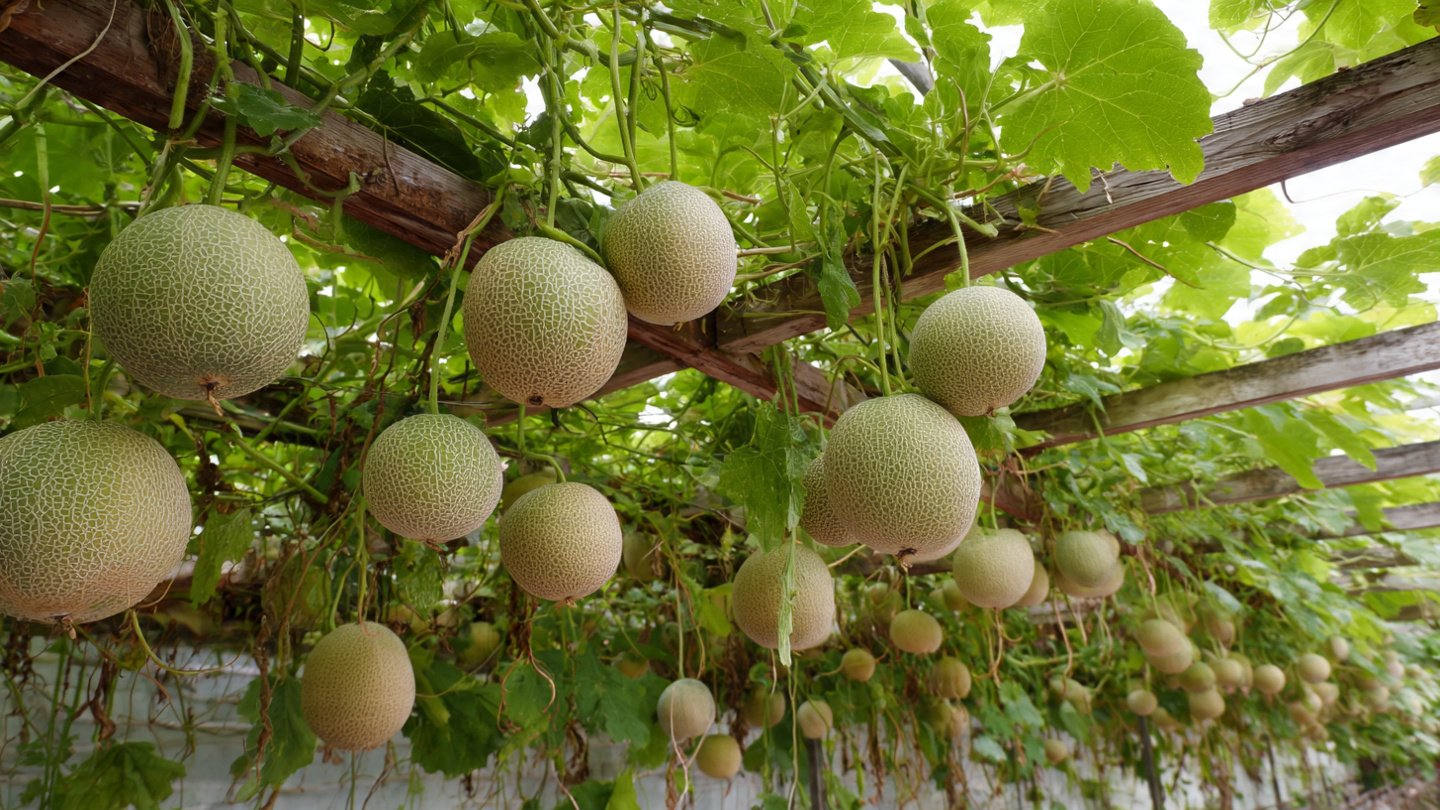
Muskmelon, also known as cantaloupe, is a fragrant, sweet fruit that thrives in warm climates. While traditionally grown in sprawling garden beds, muskmelons can also be successfully cultivated in limited spaces using vertical growing techniques. Vertical gardening allows gardeners to make the most of balconies, patios, and small yards, while also improving air circulation, reducing pest problems, and creating a visually appealing display.
This guide will provide step-by-step strategies for growing muskmelons vertically, including selection of varieties, trellis construction, planting, care, and harvesting techniques to ensure a bountiful and healthy crop even in compact spaces.
Why Grow Muskmelon Vertically?
Vertical growing offers several advantages for muskmelon cultivation:
- Space Efficiency: Vertical trellises enable you to grow muskmelons in small areas, making it ideal for urban gardens or patios.
- Healthier Plants: Elevating vines improves air circulation and reduces the risk of fungal infections and soil-borne diseases.
- Ease of Harvesting: Fruits are more accessible when hanging from a trellis, reducing the risk of damage or rot.
- Aesthetic Appeal: Trailing vines and hanging fruits create a decorative garden element.
- Better Fruit Quality: Vertical growth keeps fruits off the soil, preventing pests and ensuring cleaner, sweeter melons.
Vertical gardening transforms limited space into a productive and attractive growing area while maximizing yield.
Step 1: Choosing the Right Muskmelon Variety
Not all muskmelons are suitable for vertical growth. Selecting a variety with compact vines or vigorous climbing habits will make vertical cultivation easier. Recommended varieties include:
- Sugar Cube: A dwarf, compact variety suitable for containers and trellises.
- Minnesota Midget: Ideal for small spaces, producing sweet, small fruits.
- Honeydew or Charentais: Larger varieties can also be trained vertically with proper support.
Choosing a variety suited to vertical growth ensures manageable vines and a higher success rate.
Step 2: Constructing a Strong Trellis
A sturdy trellis is essential to support muskmelon vines and heavy fruits:
- Material: Use wood, bamboo, metal, or PVC frames that can support the weight of fruits.
- Height: Trellises should be at least 5–6 feet tall to allow vertical growth.
- Design: A-frame, teepee, or flat wall trellis designs are effective. Ensure vines have plenty of space to climb.
- Support for Fruits: Use slings made from cloth, netting, or old stockings to cradle heavier fruits and prevent them from breaking off prematurely.
A well-constructed trellis protects plants, improves yield, and allows fruits to ripen evenly.
Step 3: Planting Muskmelon
Proper planting techniques set the foundation for healthy vertical growth:
- Containers or Beds: Use large containers (15–20 gallons) or raised beds filled with fertile, well-draining soil.
- Spacing: Plant 2–3 seeds per container and thin to one strong seedling per spot once germination occurs.
- Soil: A mix of garden soil, compost, and coco coir or perlite ensures good drainage and nutrient availability.
- Watering: Keep soil moist during germination and early growth, but avoid waterlogging.
Vertical growing requires healthy, vigorous seedlings to climb and produce quality fruits.
Step 4: Training Vines Up the Trellis
Encouraging vines to climb ensures optimal use of vertical space:
- Initial Training: As vines grow, gently guide them onto the trellis, wrapping tendrils around the support.
- Pinching Tips: Pinch back the tips of lateral shoots to encourage upward growth and focus energy on flowering and fruiting.
- Regular Monitoring: Check vines daily to ensure they remain supported and are not overcrowding each other.
Consistent training helps plants grow efficiently, maximizing fruit production in limited space.
Step 5: Watering and Fertilization
Muskmelons are heavy feeders and need consistent moisture for healthy growth and fruit development:
- Watering: Water deeply 2–3 times per week, especially during flowering and fruiting. Use drip irrigation or a watering can to reach roots directly.
- Mulching: Apply straw, coconut coir, or shredded leaves at the base to retain soil moisture and prevent weeds.
- Fertilization: Apply a balanced fertilizer every 2–3 weeks. Organic options like compost tea or vermicompost support strong vine growth and fruit development.
Adequate water and nutrition are crucial for vertical muskmelons to produce multiple healthy fruits per vine.
Step 6: Flowering and Pollination
Muskmelons produce separate male and female flowers, requiring pollination for fruit set:
- Encourage Pollinators: If growing outdoors, attract bees and other pollinators by planting companion flowers nearby.
- Hand Pollination: In indoor or low-pollinator environments, use a small brush or cotton swab to transfer pollen from male to female flowers.
- Timing: Pollinate in the morning when flowers are open for maximum success.
Proper pollination is essential for fruit formation and a successful vertical harvest.
Step 7: Supporting Fruits
As fruits develop, vertical growth can place strain on vines:
- Fruit Slings: Use soft cloth, netting, or stockings to cradle larger fruits and prevent stems from snapping.
- Spacing: Avoid overcrowding fruits along the trellis to ensure proper airflow and sunlight exposure.
- Monitoring Growth: Check fruit weight periodically and adjust slings as needed to accommodate growth.
Supporting fruits helps reduce damage, ensures uniform ripening, and increases overall yield.
Step 8: Pest and Disease Management
Vertical cultivation can reduce some soil-borne issues but pests and diseases still require attention:
- Common Pests: Aphids, whiteflies, and cucumber beetles. Use neem oil, insecticidal soap, or hand-picking for control.
- Diseases: Powdery mildew and downy mildew are common. Ensure proper spacing, airflow, and avoid overhead watering to minimize risk.
- Prevention: Rotate crops each season and remove any diseased leaves promptly.
Healthy plants produce more fruits and maintain consistent growth when pest and disease pressure is managed.
Step 9: Harvesting Muskmelon
Timing the harvest is essential for sweet, flavorful fruits:
- Indicators of Ripeness: Muskmelons emit a fragrant aroma, the stem near the fruit softens, and the fruit may slip slightly from the vine when ready.
- Harvest Carefully: Use pruning shears or gently twist fruits off the vine to prevent damage.
- Storage: Store ripe muskmelons at room temperature or in the refrigerator for later use.
Proper harvesting maximizes taste and ensures that the plant can continue producing additional fruits if space allows.
Additional Tips for Vertical Muskmelon Success
- Choose Compact Varieties: Dwarf or bush types are easier to manage in limited spaces.
- Rotate Plants: For continuous harvest, stagger planting times every 2–3 weeks.
- Monitor Light Exposure: Position containers for maximum sunlight or supplement with grow lights indoors.
- Regular Maintenance: Remove dead or yellowing leaves to maintain plant health.
- Record-Keeping: Note which techniques and supports produce the best yield to refine practices each season.
Following these tips enhances productivity and simplifies vertical muskmelon cultivation.
Final Thoughts
Vertical gardening is an innovative and effective way to grow muskmelons in limited spaces. By choosing the right variety, constructing a sturdy trellis, carefully training vines, and maintaining proper care, you can enjoy sweet, fragrant fruits even in compact gardens, balconies, or patios.
Vertical growth not only maximizes space but also improves plant health, reduces disease risk, and makes harvesting easier. With consistent attention, proper watering, fertilization, and pollination, you can transform a small area into a productive muskmelon paradise, yielding delicious fruits season after season.
Growing muskmelons vertically is more than just a space-saving solution—it’s a practical, rewarding, and visually stunning approach that brings flavor, nutrition, and beauty to even the smallest of gardens.