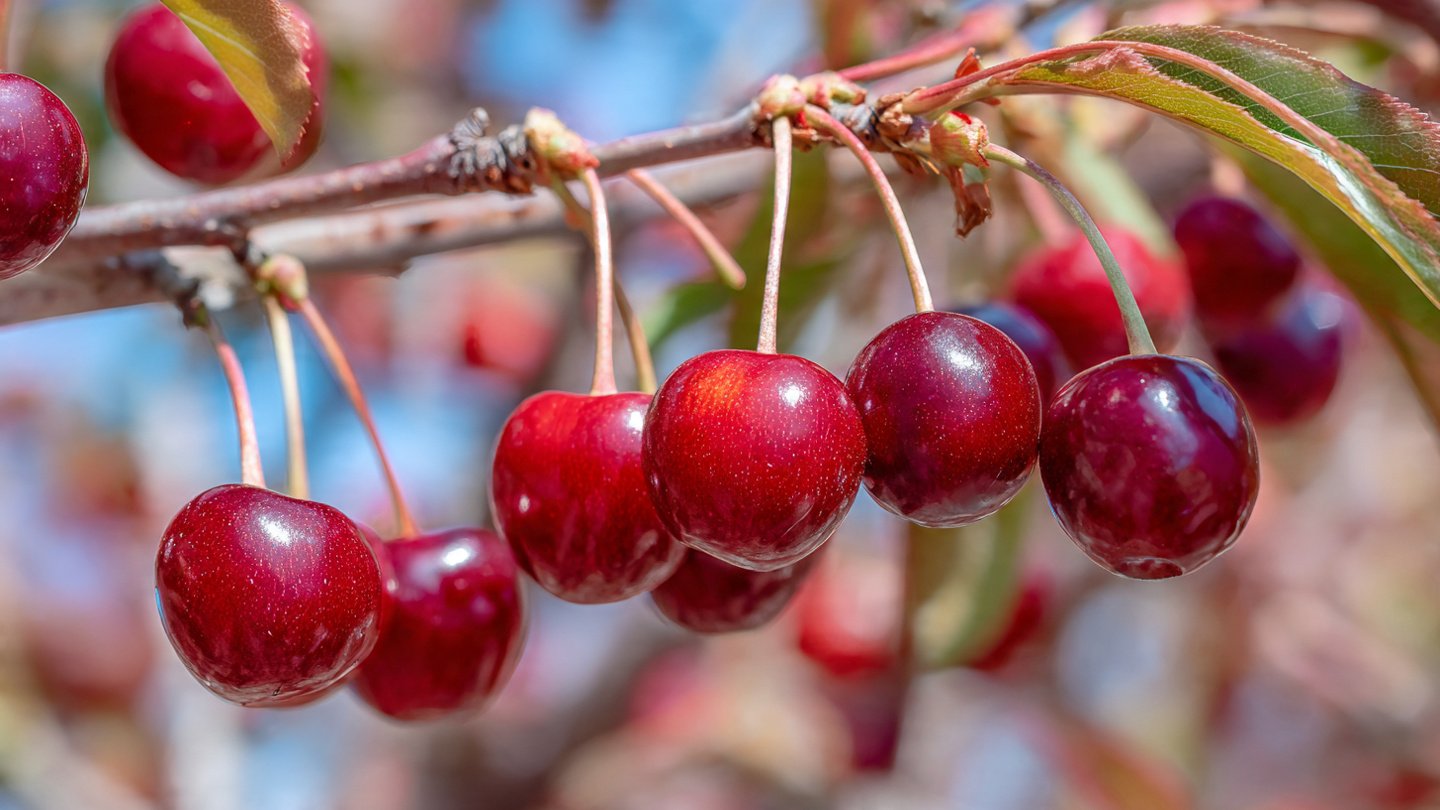
Growing cherry trees in cold climate regions may seem challenging, but with the right techniques, dwarf cherry trees can flourish even in areas with harsh winters. These compact trees are ideal for small gardens, backyards, and even large containers, making them a practical choice for gardeners who want fresh cherries without managing a full-sized tree. This detailed guide explains the best methods to successfully grow dwarf cherry trees in cold climates, from selecting the right variety to long-term care and winter protection.
Why Choose Dwarf Cherry Trees for Cold Climates?
Dwarf cherry trees are specially bred to stay smaller while still producing delicious fruit. Their manageable size makes them easier to protect from cold damage, prune, and harvest. Many dwarf varieties are also grafted onto hardy rootstocks that improve cold tolerance and overall resilience.
For gardeners in colder regions, dwarf cherry trees offer several advantages:
- Easier winter protection
- Faster fruiting compared to standard trees
- Suitable for limited spaces and container growing
- Better control over soil and moisture conditions
Selecting Cold-Hardy Cherry Varieties
Success begins with choosing the right variety. Not all cherry trees tolerate freezing temperatures, so selecting cold-hardy cultivars is essential. Sour (tart) cherries are generally more cold-tolerant than sweet cherries, making them a safer option for colder climates.
When shopping for dwarf cherry trees, look for varieties rated for your climate zone and recommended for cold regions. Trees grafted onto hardy rootstocks are especially important, as the root system determines much of the tree’s winter survival.
Choosing the Ideal Planting Location
Proper placement can make a significant difference in cold climates. Cherry trees need plenty of sunlight to produce healthy growth and fruit, even in cooler regions.
Choose a location that receives at least 6–8 hours of direct sunlight daily. A south-facing or southwest-facing spot is ideal, as it provides warmth and helps snow melt faster in spring. Avoid low-lying areas where cold air settles, as frost pockets can damage blossoms and young growth.
Wind protection is equally important. Planting near a fence, wall, or hedge can reduce exposure to cold winds without blocking sunlight.
Soil Preparation for Cold Regions
Healthy soil helps dwarf cherry trees withstand cold stress. These trees prefer well-draining, fertile soil with a slightly acidic to neutral pH.
Before planting:
- Loosen the soil deeply to improve root penetration
- Mix in organic matter such as compost or well-rotted manure
- Ensure excess water can drain away, as soggy soil freezes faster and damages roots
If your soil is heavy clay, consider raised beds or mound planting to improve drainage and protect roots during winter.
Proper Planting Techniques
Planting at the right depth is crucial for dwarf cherry trees. The graft union (the swollen area where the tree is grafted onto the rootstock) should remain a few inches above the soil surface. This prevents the scion from developing its own roots and losing dwarf characteristics.
Plant in early spring or early fall, depending on how severe winters are in your area. Spring planting is often safer in very cold regions, as it gives the tree a full growing season to establish roots before winter arrives.
Watering Wisely in Cold Climates
Consistent watering supports strong root development, especially during the first few years. However, overwatering can be harmful, particularly in cold climates.
Key watering tips:
- Water deeply but less frequently
- Allow the top layer of soil to dry slightly between waterings
- Reduce watering as temperatures drop in autumn
Well-hydrated trees are more resistant to winter damage, but waterlogged soil increases the risk of root injury.
Mulching for Insulation and Moisture Control
Mulching is one of the most effective techniques for protecting dwarf cherry trees in cold climates. A thick layer of organic mulch helps regulate soil temperature, retain moisture, and prevent freeze-thaw cycles that damage roots.
Apply 5–8 cm of mulch around the base of the tree, keeping it a few inches away from the trunk to prevent rot. Straw, wood chips, shredded bark, or dry leaves work well as mulch materials.
Pruning for Strength and Cold Resistance
Proper pruning improves airflow, sunlight penetration, and overall tree health. In cold regions, pruning also helps create a strong structure that can withstand snow and ice.
Prune dwarf cherry trees in late winter or early spring while the tree is still dormant. Remove dead, damaged, or crossing branches and maintain an open shape. Avoid heavy pruning late in the season, as it can encourage tender growth that is vulnerable to frost.
Protecting Trees During Harsh Winters
Winter protection is essential, especially for young trees. Cold temperatures, strong winds, and wildlife damage can all threaten survival.
Effective winter protection methods include:
- Wrapping the trunk with tree guards or burlap to prevent frost cracks
- Using wire mesh to protect against rodents and rabbits
- Adding extra mulch before the ground freezes
- Shielding container-grown trees by moving them to sheltered locations
For potted dwarf cherry trees, insulating the container or partially burying it in the ground can prevent root freezing.
Managing Frost During Flowering
Late spring frosts can damage cherry blossoms and reduce fruit yield. While you can’t control the weather, you can minimize damage by covering trees with frost cloth or lightweight fabric during cold nights.
Watering the soil before a frost can also help, as moist soil retains heat better than dry soil.
Feeding and Long-Term Care
Dwarf cherry trees benefit from balanced nutrition but don’t require heavy feeding. Apply a balanced fertilizer in early spring to support growth and fruiting. Avoid excessive nitrogen, which promotes leafy growth at the expense of fruit and reduces cold hardiness.
Regular monitoring for pests and diseases ensures problems are addressed early. Healthy trees are better equipped to survive cold stress and produce reliable harvests.
Final Thoughts
Successfully growing dwarf cherry trees in cold climate regions is entirely achievable with the right techniques. By selecting cold-hardy varieties, preparing well-drained soil, protecting trees from harsh winter conditions, and maintaining consistent care, you can enjoy beautiful blossoms and flavorful cherries year after year. With patience and proper planning, dwarf cherry trees become a rewarding and resilient addition to even the coldest home gardens.