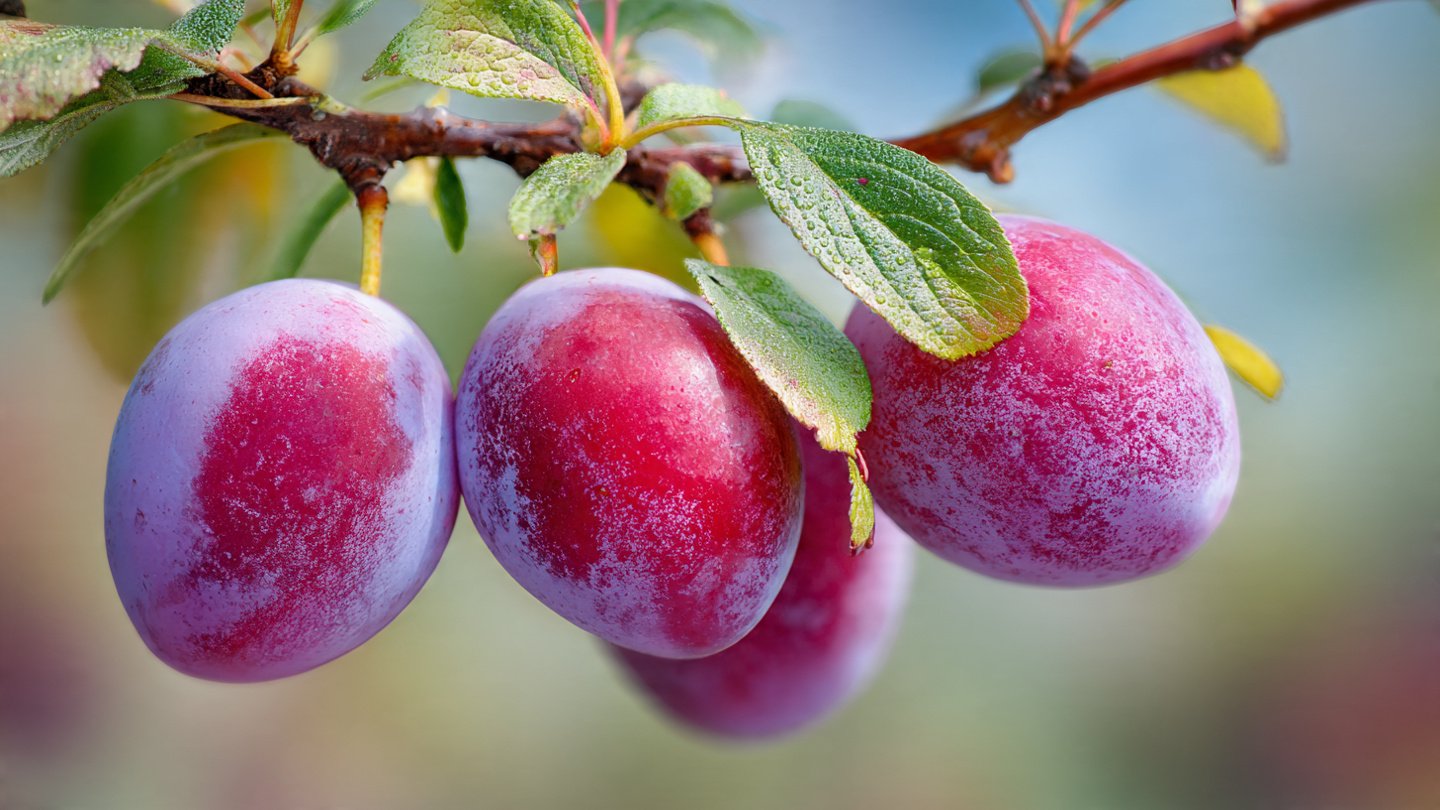
Growing plums in northern climates may seem challenging due to cold winters, short growing seasons, and unpredictable spring frosts. However, with the right techniques, careful planning, and consistent care, plum trees can grow vigorously and produce abundant, flavorful fruit even in cooler regions. This full guide explains the best methods for successfully growing plums in northern climates, from choosing suitable varieties to long-term maintenance and winter protection.
Understanding the Challenges of Northern Climates
Northern regions are characterized by long winters, low temperatures, late spring frosts, and shorter summers. These conditions can stress fruit trees, damage blossoms, and reduce fruit yield if not managed properly. Plum trees are generally hardy, but they still require thoughtful care to adapt to such environments.
The key to success lies in selecting cold-hardy varieties, planting them correctly, and providing protection during critical stages of growth. When these factors are addressed, plum trees can thrive and remain productive for many years.
Choosing the Right Plum Varieties for Cold Regions
Selecting the correct variety is the most important step in growing plums in northern climates. Some plum types are naturally more cold-tolerant than others. European and hybrid plums are often better suited for colder regions compared to many Japanese plums, which prefer milder winters.
Look for varieties specifically labeled as cold-hardy and recommended for your climate zone. Trees grafted onto hardy rootstocks are especially beneficial, as the root system plays a major role in winter survival and overall vigor.
Selecting the Best Planting Location
Proper site selection can greatly improve your plum tree’s ability to withstand cold conditions. Plum trees require full sun, ideally receiving at least 6–8 hours of direct sunlight daily. Adequate sunlight not only supports healthy growth but also helps fruit ripen properly during shorter summers.
Choose a slightly elevated location rather than a low-lying area. Cold air tends to settle in low spots, increasing the risk of frost damage. A south-facing or southwest-facing slope is ideal, as it warms up faster in spring and provides natural frost protection.
Wind exposure is another factor to consider. Cold, drying winds can damage branches and buds, so planting near a fence, wall, or hedge can help reduce wind stress without blocking sunlight.
Preparing the Soil for Strong Root Development
Healthy soil is essential for plum trees, especially in colder climates where root damage is more likely. Plums prefer well-draining, fertile soil with a slightly acidic to neutral pH.
Before planting:
- Loosen the soil deeply to improve drainage and root growth
- Mix in compost or well-rotted organic matter to enrich the soil
- Avoid areas where water tends to collect, as soggy soil freezes more easily and damages roots
If your soil is heavy clay, consider planting on a raised mound or in a raised bed to improve drainage and reduce winter root stress.
Proper Planting Techniques
Timing and planting depth are critical for northern gardeners. Spring planting is usually recommended, as it gives plum trees the entire growing season to establish roots before winter.
When planting:
- Dig a hole twice as wide as the root ball but no deeper
- Position the tree so the graft union remains a few inches above the soil surface
- Backfill with soil gently, firming it lightly to remove air pockets
Water thoroughly after planting to help the soil settle around the roots.
Watering Practices for Northern Climates
Consistent watering is important, especially during the first few years. However, overwatering can be harmful in cold regions, particularly as temperatures begin to drop.
Best watering tips include:
- Water deeply but infrequently to encourage deep root growth
- Allow the top layer of soil to dry slightly between waterings
- Reduce watering in late summer and early autumn to help the tree prepare for dormancy
Proper hydration improves cold tolerance, but waterlogged soil increases the risk of winter injury.
Mulching for Insulation and Moisture Control
Mulching is one of the most effective ways to protect plum trees in northern climates. A thick layer of mulch helps regulate soil temperature, conserve moisture, and prevent repeated freezing and thawing of the soil.
Apply 5–8 cm of organic mulch around the base of the tree, such as straw, wood chips, shredded bark, or dry leaves. Keep mulch a few inches away from the trunk to prevent rot and pest problems.
Pruning for Strength and Cold Resistance
Pruning plays a vital role in maintaining tree health and improving cold resistance. Proper pruning encourages strong branch structure, which helps prevent breakage from snow and ice.
Prune plum trees in late winter or early spring while they are still dormant. Remove dead, damaged, or crossing branches, and maintain an open canopy that allows light and air to reach all parts of the tree. Avoid heavy pruning late in the growing season, as it can stimulate tender growth that is vulnerable to frost.
Protecting Plum Trees During Winter
Winter protection is especially important for young or newly planted trees. Cold temperatures, fluctuating weather, and wildlife can all cause damage.
Effective winter protection methods include:
- Wrapping trunks with tree guards or burlap to prevent frost cracks
- Using wire mesh around the base to protect against rodents and rabbits
- Adding extra mulch before the ground freezes
- Shielding trees from strong winds when possible
Container-grown plum trees need extra care. Insulating the pot, moving it to a sheltered location, or partially burying it in the ground can prevent root freezing.
Managing Frost During Bloom Time
Late spring frosts are a common issue in northern climates and can damage plum blossoms, reducing fruit production. While frost cannot be prevented entirely, damage can be minimized.
Covering trees with frost cloth or lightweight fabric during cold nights helps retain heat. Watering the soil before a frost can also help, as moist soil holds warmth better than dry soil.
Feeding and Ongoing Care
Plum trees benefit from balanced nutrition, especially during early growth and fruiting years. Apply a balanced fertilizer in early spring before new growth begins. Avoid excessive nitrogen, which encourages leafy growth at the expense of fruit and reduces cold hardiness.
Regularly inspect trees for pests and diseases. Healthy trees are better equipped to handle cold stress and produce reliable harvests.
Final Thoughts
Growing plums successfully in northern climates is entirely achievable with the right techniques and careful attention to detail. By selecting cold-hardy varieties, preparing well-drained soil, protecting trees from harsh winter conditions, and maintaining consistent care throughout the year, you can enjoy beautiful blossoms and delicious plums even in cooler regions. With patience and proper planning, plum trees become a long-lasting and rewarding addition to northern home gardens.