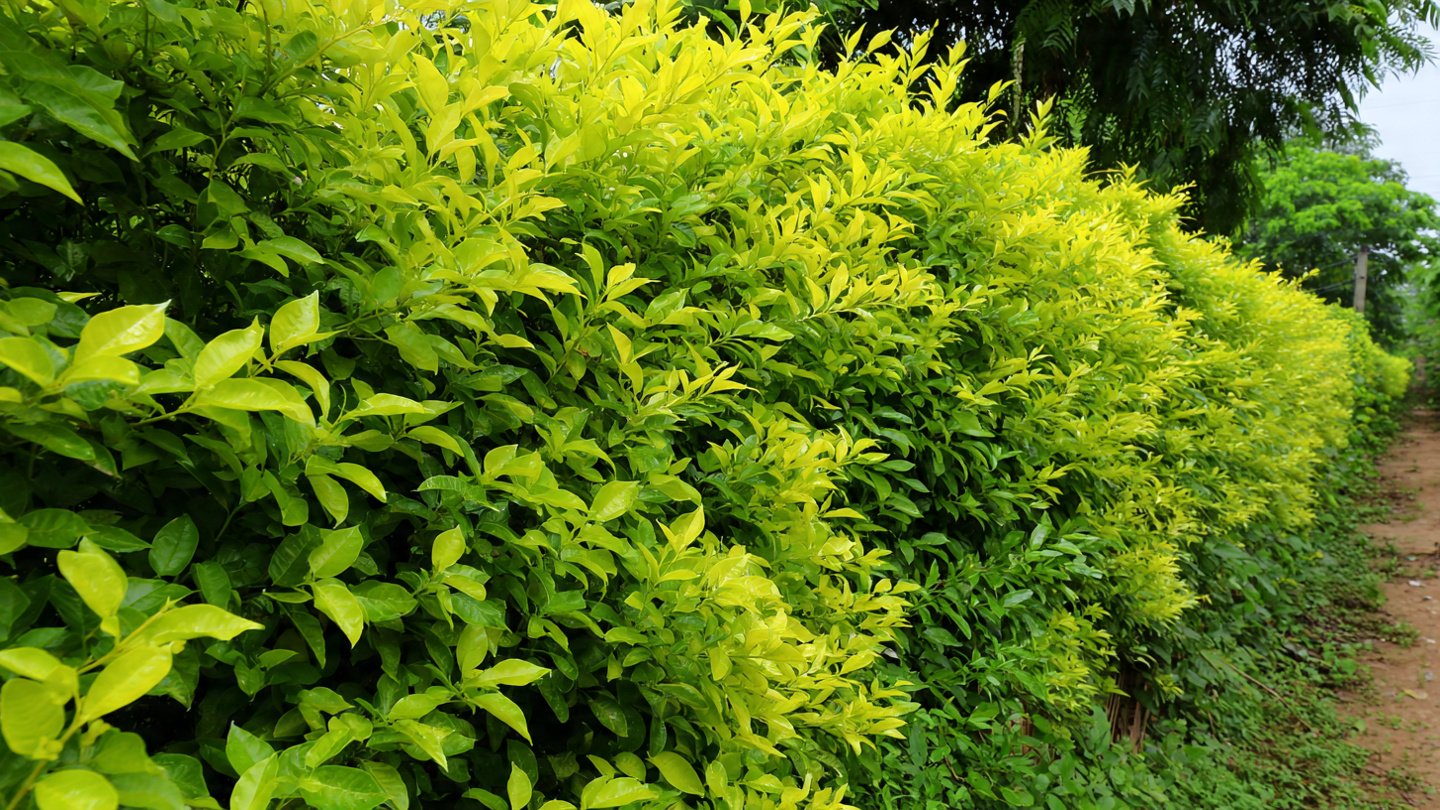
Duranta, especially the golden-leaved variety, is a striking ornamental plant that can transform any garden into a vibrant, elegant space. Known for its golden foliage, delicate flowers, and ability to grow as a dense hedge, Duranta Golden makes an excellent choice for gardeners looking to add color, structure, and privacy. When cultivated with care and attention, a Duranta hedge can become a lush, eye-catching feature that enhances your outdoor space year-round.
This comprehensive guide covers best practices for planting, maintaining, and caring for a golden Duranta hedge to ensure maximum growth, vibrant leaves, and a healthy, flourishing garden display.
Why Choose Duranta Golden for Your Hedge
Duranta Golden is popular for garden hedges due to its combination of beauty and resilience:
- Vibrant Foliage: The golden-yellow leaves provide a striking contrast against green lawns or darker garden plants.
- Compact Growth: Ideal for formal hedges and borders.
- Flowers and Berries: Purple-blue flowers and golden-orange berries add seasonal interest.
- Low Maintenance: Hardy, drought-tolerant once established, and relatively pest-resistant.
- Versatility: Can be shaped into formal hedges, screens, or free-growing shrubs.
Its ornamental appeal and adaptability make it a top choice for homeowners and professional landscapers alike.
Selecting the Right Location
Duranta Golden thrives when provided with the ideal location:
Sunlight
- Requires full sun for bright, golden foliage.
- Partial shade may cause leaves to lose intensity and reduce flowering.
Soil Conditions
- Prefers well-draining soil with moderate fertility.
- Can adapt to sandy, loamy, or slightly clayey soils, but good drainage is essential to prevent root rot.
Space Consideration
- Decide the hedge length and height in advance.
- Ensure adequate spacing between plants for airflow and growth—typically 30–50 cm apart for a dense hedge.
Proper location ensures healthy foliage, vibrant color, and optimal hedge density.
Propagating Duranta Golden
Duranta Golden can be propagated through seeds or cuttings, but stem cuttings are the fastest and most reliable method:
Using Stem Cuttings
- Select healthy, semi-hardwood stems about 4–6 inches long.
- Remove leaves from the lower half to expose nodes.
- Dip the cut ends in rooting hormone to improve success.
- Plant in well-draining soil or place in water until roots develop.
- Transplant rooted cuttings to the hedge location after 4–6 weeks.
Stem cuttings produce uniform plants, ensuring your hedge grows evenly.
Planting the Hedge
Once your Duranta plants are ready, planting correctly is crucial for a strong, lush hedge:
Step 1: Dig Holes
- Dig holes slightly larger than the root ball.
- Space plants 30–50 cm apart for dense growth.
Step 2: Soil Preparation
- Mix garden soil with compost or organic matter to improve fertility and drainage.
- Plant the cuttings or young plants carefully, ensuring roots are spread evenly.
Step 3: Initial Watering
- Water thoroughly after planting to settle the soil around roots.
- Mulch around the base with organic material to retain moisture and reduce weeds.
Correct planting sets the foundation for rapid, healthy growth.
Watering and Moisture Management
Duranta Golden requires consistent watering, especially in the first year:
- Water 2–3 times per week, depending on weather and soil type.
- Reduce watering once plants establish deep roots.
- Avoid waterlogging, which can lead to root rot and yellowing leaves.
Mulching helps conserve soil moisture, regulates temperature, and supports healthy foliage.
Feeding and Fertilization
Regular feeding encourages lush, golden foliage and strong growth:
- Apply balanced, slow-release fertilizer every 2–3 months during the growing season.
- Organic alternatives like compost, vermicompost, or well-decomposed manure work well.
- Avoid excessive nitrogen fertilizer, as it may encourage leaf growth at the expense of flowers.
A proper nutrition plan ensures your hedge remains dense, vibrant, and healthy.
Pruning and Shaping
Pruning is essential for a formal, lush hedge:
- Start light pruning after plants reach 50–60 cm in height.
- Trim tips to encourage branching and denser foliage.
- Shape the hedge gradually rather than cutting heavily at once.
- Remove dead, yellowing, or damaged branches to maintain overall health.
Regular pruning maintains structure, promotes bushy growth, and enhances the golden color.
Pest and Disease Management
Duranta Golden is relatively hardy but can be affected by occasional pests:
- Common Pests: Aphids, mealybugs, and spider mites.
- Prevention: Inspect plants regularly, wash leaves, and prune affected areas.
- Natural Remedies: Neem oil spray or insecticidal soap works effectively without harming beneficial insects.
Healthy plants with proper sunlight, watering, and fertilization are less susceptible to pests and diseases.
Seasonal Care
- Spring: Fertilize and prune to encourage new growth.
- Summer: Maintain consistent watering and monitor for pests.
- Autumn: Mulch to protect roots from temperature fluctuations.
- Winter: Reduce watering but protect young plants from frost or cold winds.
Seasonal care ensures your hedge stays vibrant and healthy throughout the year.
Companion Planting
Duranta Golden can be paired with other plants to enhance your garden’s appeal:
- Borders and Flower Beds: Plant low-growing flowering plants at the base for additional color.
- Mixed Hedges: Combine with green-leaved shrubs for contrast.
- Pollinator-Friendly Gardens: Purple flowers attract bees and butterflies.
Strategic planting maximizes visual appeal while supporting biodiversity in your garden.
Tips for a Lush, Dense Hedge
- Space plants carefully to avoid overcrowding.
- Use regular pruning to encourage thick growth.
- Ensure full sunlight to maintain golden leaf intensity.
- Apply organic mulch to retain moisture and suppress weeds.
- Remove weeds and competing plants near the base regularly.
These simple practices create a uniform, vibrant hedge that becomes a highlight of your garden.
Final Thoughts
Cultivating a Duranta Golden hedge in your garden is a rewarding endeavor that combines beauty, privacy, and structure. By choosing healthy plants, providing optimal sunlight, consistent watering, regular feeding, and careful pruning, you can achieve a dense, lush hedge with stunning golden foliage.
With patience and proper maintenance, your Duranta Golden hedge will not only enhance the aesthetics of your outdoor space but also provide a natural screen, attract pollinators, and bring a lively, tropical touch to your garden.
Whether you’re a beginner gardener or an experienced landscaper, following these best practices ensures that your Duranta Golden hedge thrives, creating a vibrant, long-lasting feature in your garden.