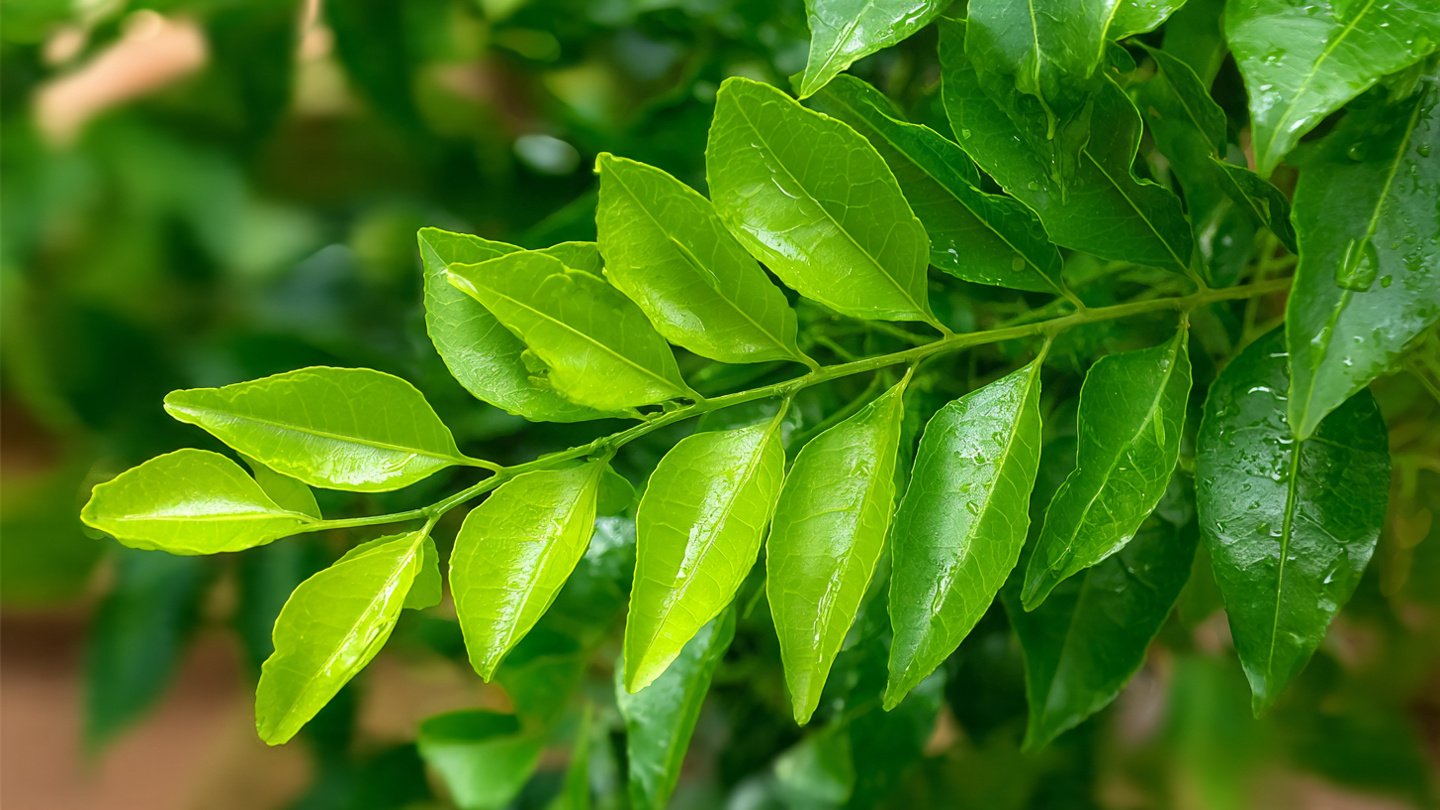
The curry leaf plant is an essential part of many home gardens, especially for those who enjoy fresh, aromatic leaves for cooking. While the plant is generally hardy, many gardeners struggle with slow growth, pale leaves, or weak stems. The good news is that you don’t need chemical fertilizers or expensive products to improve its health. With the right organic techniques, you can significantly boost curry leaf growth naturally while keeping your plant safe, productive, and long-lasting.
This article explores the best organic tricks and simple practices that encourage lush foliage, stronger branches, and faster regrowth in curry leaf plants—perfect for beginners and experienced gardeners alike.
Understanding Curry Leaf Growth Needs
To grow curry leaves successfully, it’s important to understand what the plant truly needs. Curry leaf plants thrive in warm climates, plenty of sunlight, well-draining soil, and balanced nutrition. When any one of these factors is missing, growth slows down noticeably.
Organic care focuses on improving soil health and supporting the plant’s natural growth cycle rather than forcing quick results. This approach leads to healthier plants that produce more leaves over time.
The Power of Organic Nutrition
One of the biggest reasons curry leaf plants grow slowly is nutrient deficiency. Instead of relying on synthetic fertilizers, organic nutrition improves soil structure and feeds beneficial microorganisms that support root development.
Some of the most effective organic inputs include:
- Well-decomposed compost
- Vermicompost
- Cow dung manure (fully aged)
- Homemade plant-based compost
Adding organic matter regularly ensures a steady release of nutrients and prevents sudden stress to the plant.
The Best Organic Trick: Nitrogen-Rich Leaf Feed
Curry leaf plants are grown mainly for their leaves, so nitrogen plays a crucial role in promoting lush green growth. A simple and highly effective organic trick is using nitrogen-rich liquid feed made at home.
You can prepare this by soaking fresh green leaves (such as legume leaves or garden weeds) in water for a few days until it ferments slightly. Dilute this liquid and apply it to the soil once every two to three weeks. This natural feed boosts leaf production without harming the roots.
Alternatively, diluted buttermilk or fermented rice water can also act as gentle growth boosters when used occasionally.
Proper Sunlight Makes a Big Difference
Sunlight is often underestimated when it comes to curry leaf growth. The plant needs at least six to eight hours of direct sunlight daily. Without enough light, the plant focuses on survival rather than producing new leaves.
If grown in containers, place the plant where it receives full morning sun and partial shade in the afternoon, especially in very hot regions. Adequate sunlight enhances photosynthesis, resulting in thicker stems and more frequent leaf flushing.
Watering: The Balance Between Too Much and Too Little
Overwatering is one of the most common mistakes that slows curry leaf growth. The roots need moisture but also oxygen. Constantly wet soil suffocates roots and encourages fungal issues.
Water only when the top layer of soil feels dry. During hot seasons, watering may be needed more frequently, while in cooler months, reduce the frequency. Always ensure excess water drains out freely, especially for potted plants.
Consistent watering habits help the plant absorb nutrients more effectively, supporting steady growth.
Organic Mulching for Faster Growth
Mulching is a simple yet powerful organic technique. Applying dry leaves, straw, or coconut husk around the base of the plant helps retain soil moisture, regulate temperature, and improve soil quality over time.
As organic mulch breaks down, it adds nutrients to the soil and encourages earthworm activity. This natural soil improvement directly supports stronger root systems and healthier leaf growth.
Pruning: The Secret to Bushier Plants
Many gardeners hesitate to prune curry leaf plants, fearing it may reduce leaf yield. In reality, regular pruning encourages branching and results in a fuller, leafier plant.
Trim the tips of long stems once the plant is well-established. This signals the plant to produce side shoots, which leads to more leaves overall. Always use clean tools and avoid heavy pruning during extreme weather conditions.
Strengthening Roots with Natural Soil Boosters
Healthy roots are the foundation of fast growth. Occasionally loosening the topsoil improves aeration and allows roots to expand more freely. Mixing a small amount of neem cake powder or wood ash into the soil provides trace minerals and natural pest resistance.
These organic soil boosters strengthen the root zone and reduce stress caused by soil-borne pests.
Pest Control the Organic Way
Pests such as aphids and mites can weaken curry leaf plants, slowing growth even when nutrition is adequate. Instead of chemical sprays, use organic solutions like neem oil spray or soap water in mild concentrations.
Regular inspection helps catch pest issues early. Healthy plants grown organically are naturally more resistant to infestations.
Seasonal Care for Continuous Growth
Curry leaf plants respond strongly to seasonal changes. During warm months, growth is faster, and organic feeding can be done more frequently. In cooler seasons, growth slows naturally, so reduce watering and feeding.
Protect the plant from cold winds and extreme temperature drops, especially in winter. Maintaining a stable environment allows the plant to resume vigorous growth when conditions improve.
Why Organic Methods Work Best Long-Term
Organic techniques don’t just boost growth temporarily—they improve the entire growing system. Over time, soil becomes richer, roots grow stronger, and the plant develops natural resilience. This results in consistent leaf production year after year without dependence on chemicals.
Organic care also ensures that the leaves you harvest are safe, aromatic, and full of natural flavor, making them ideal for everyday cooking.
Final Thoughts
Boosting curry leaf growth naturally doesn’t require complicated methods or expensive inputs. By focusing on organic nutrition, proper sunlight, balanced watering, and simple maintenance practices like mulching and pruning, you can transform a slow-growing plant into a lush, productive one.
Patience and consistency are the real secrets. When cared for organically, curry leaf plants reward you with abundant fresh leaves, healthier growth, and long-term productivity—making them a truly valuable addition to any home garden.