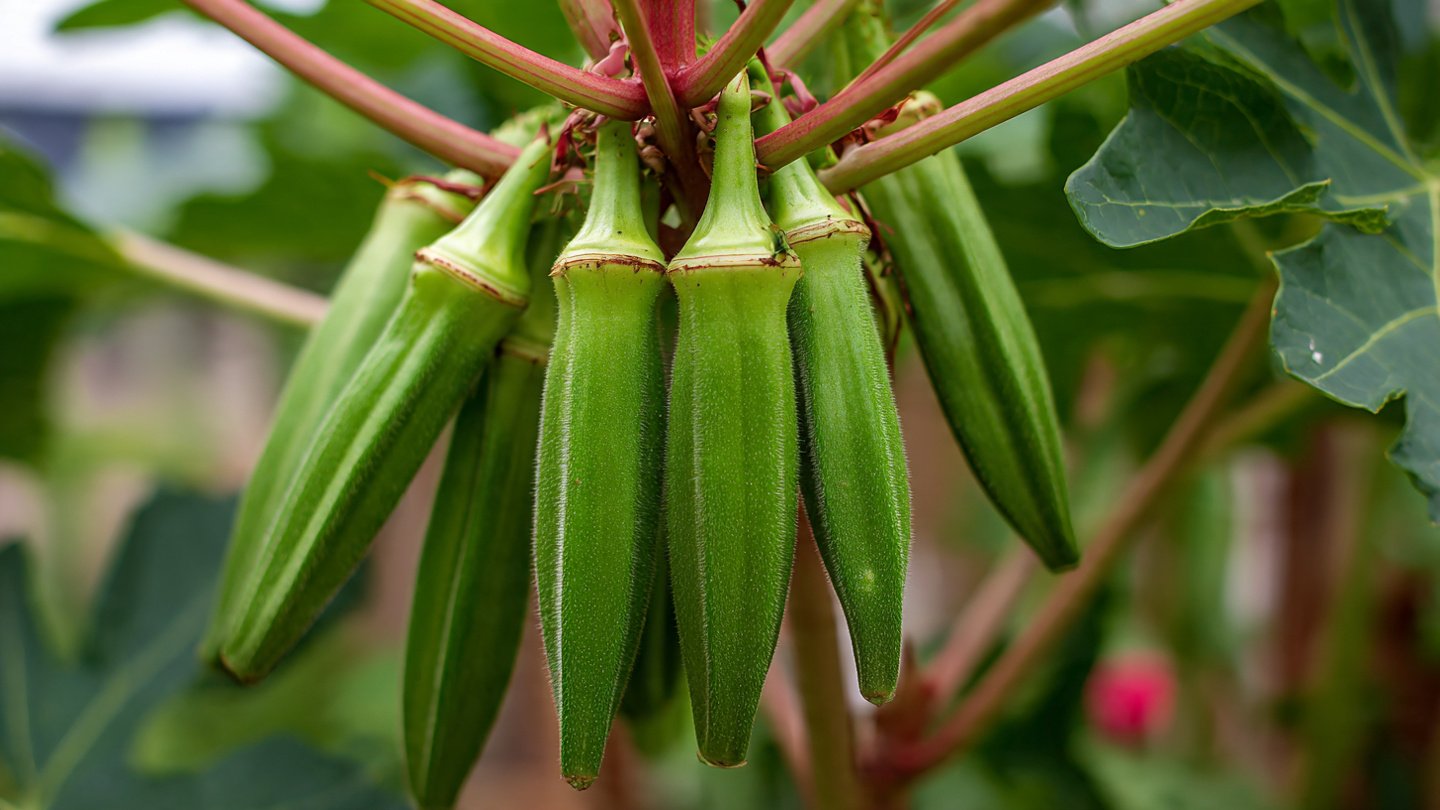
Balcony gardening has become increasingly popular among urban dwellers, and growing okra is an excellent choice for those looking to maximize space while enjoying fresh, nutritious vegetables. Okra, also known as lady’s finger, is a warm-season crop that thrives in containers and requires relatively little maintenance, making it perfect for small urban spaces. With the right techniques, you can cultivate healthy plants, enjoy continuous harvests, and make the most of limited balcony areas.
This guide provides step-by-step instructions, practical tips, and proven methods for successfully growing okra on your balcony while maximizing space and yield.
Why Grow Okra on a Balcony?
Okra offers multiple benefits for urban gardeners:
- Compact Growth: Okra plants adapt well to container cultivation and don’t require large plots of land.
- High Yield: With proper care, a single plant can produce multiple harvests throughout the season.
- Nutritional Value: Rich in vitamins A, C, and K, fiber, and antioxidants, okra is a healthy addition to meals.
- Low Maintenance: Okra is drought-tolerant, pest-resistant, and thrives in warm conditions, making it ideal for urban growers.
By growing okra on a balcony, you gain easy access to fresh produce, reduce your grocery bills, and enhance your urban space with greenery.
Choosing the Right Okra Variety
Selecting the right variety is essential for balcony gardening:
- Dwarf or Bush Varieties: Varieties like ‘Clemson Spineless’ or ‘Baby Bubba’ are compact and suitable for containers.
- Fast-Maturing Varieties: Quick-growing types allow multiple harvests in a single season, maximizing yield.
- Heat-Tolerant Varieties: In urban environments, balconies can become warmer than ground-level gardens, so heat-tolerant varieties perform best.
Choose seeds based on your climate, available space, and desired harvest frequency.
Selecting the Ideal Container
Okra plants need sufficient root space to thrive. For balcony cultivation:
- Container Size: Choose pots at least 12–14 inches deep and wide for a single plant. Larger containers can support two plants.
- Drainage: Ensure the container has adequate drainage holes to prevent waterlogging.
- Material: Plastic, ceramic, or fabric grow bags all work well. Fabric pots also allow air pruning of roots, which encourages healthier growth.
Soil Preparation for Container Okra
Okra requires well-draining, nutrient-rich soil. A good potting mix should include:
- Organic Compost: Provides essential nutrients and improves soil structure.
- Coco Peat or Peat Moss: Retains moisture while allowing proper aeration.
- Perlite or Sand: Enhances drainage to prevent root rot.
The soil should be slightly acidic to neutral, with a pH of 6.0–7.0. Filling containers with high-quality potting soil ensures your okra plants have the nutrients and drainage they need.
Planting Okra on Your Balcony
Follow these steps for successful planting:
- Seed Germination: Okra seeds germinate best in warm soil (75–90°F). Soak seeds overnight to speed up germination.
- Sowing Depth: Plant seeds 1 inch deep in the prepared soil.
- Spacing: Allow 12–18 inches between plants if growing multiple okra plants in larger containers. Adequate spacing prevents overcrowding and encourages airflow.
- Watering After Planting: Water gently to moisten the soil without washing away seeds. Keep the soil consistently damp until seedlings emerge.
Sunlight Requirements
Okra is a sun-loving plant and requires at least 6–8 hours of direct sunlight daily. Balconies that face south or west are ideal. Insufficient sunlight can lead to leggy growth, reduced flowering, and lower yields. If sunlight is limited, consider using reflective surfaces or supplemental grow lights to ensure adequate light exposure.
Watering and Moisture Management
Consistent moisture is key to healthy okra growth. Container plants dry out faster than those in the ground, so:
- Water Deeply: Ensure the soil is evenly moist but not waterlogged.
- Frequency: Water 2–3 times per week, adjusting based on weather conditions and container size.
- Mulching: Apply a layer of organic mulch such as straw or dried leaves to retain moisture, reduce soil temperature, and prevent weeds.
Avoid overwatering, as soggy soil can cause root rot, while drought stress may reduce flowering and fruit production.
Fertilization for Maximum Yield
To maximize yield, okra benefits from regular feeding:
- Balanced Fertilizers: Apply a balanced liquid fertilizer every 2–3 weeks during the growing season.
- Nitrogen Management: Moderate nitrogen promotes leaf growth but avoid excessive amounts, which can reduce flowering and pod production.
- Organic Alternatives: Compost tea or well-rotted manure enhances soil fertility naturally without harming container plants.
Regular feeding ensures strong growth, abundant flowers, and consistent fruiting.
Pruning and Plant Care
While okra does not require heavy pruning, minor maintenance improves plant health and yield:
- Remove Lower Leaves: Trim damaged or yellowing leaves to enhance airflow and reduce disease risk.
- Pinch Flower Tips: Encourage bushier growth by pinching back early flower tips on very young plants.
- Support Taller Varieties: For taller varieties, provide stakes or trellises to prevent stems from bending or breaking.
Pollination and Flowering
Okra produces flowers that lead to edible pods. Each flower lasts only one day, so timely pollination is important. Bees and other pollinators are excellent for fruit set. In urban areas, gently shaking flowers or using a soft brush can help transfer pollen between flowers, ensuring a good harvest.
Harvesting Okra
Okra pods grow quickly and should be harvested when 2–4 inches long for tender texture. Frequent harvesting encourages plants to produce more pods and prevents them from becoming tough or woody. Use scissors or garden shears to cut pods, leaving a small portion of the stem attached to the plant.
Harvest every 2–3 days during peak production for maximum yield.
Pest and Disease Management
Container okra is less prone to pests but may still attract:
- Aphids – Remove with a strong water spray or neem oil.
- Flea Beetles – Use row covers or sticky traps for control.
- Powdery Mildew – Ensure good airflow and avoid overhead watering to prevent fungal growth.
Regular inspection and proactive management help maintain healthy, productive plants.
Space-Saving Techniques
To maximize your balcony space:
- Vertical Supports: Use trellises or cages to encourage upward growth.
- Intercropping: Plant smaller herbs or flowers around okra to utilize container space efficiently.
- Tiered Planters: Stack containers in a vertical arrangement to grow multiple okra plants without crowding.
These methods allow urban gardeners to produce a high yield in minimal space.
Benefits of Growing Okra on Your Balcony
- Fresh Produce: Enjoy crisp, flavorful okra straight from your balcony garden.
- Nutritional Boost: Okra is rich in vitamins, minerals, and fiber.
- Space Efficiency: Vertical and container methods make the most of small urban areas.
- Educational and Therapeutic: Balcony gardening provides learning opportunities and stress relief for urban dwellers.
Final Thoughts
Growing okra on a balcony is a practical and rewarding way to enjoy fresh vegetables, even in limited spaces. By choosing the right variety, using suitable containers, maintaining soil fertility, and practicing consistent care, urban gardeners can maximize both space and yield. With simple techniques like vertical supports, frequent harvesting, and pest monitoring, your balcony can become a productive vegetable garden.
With attention to sunlight, watering, and nutrition, balcony-grown okra can thrive, providing a continuous harvest of tender pods throughout the growing season. This approach not only enhances your diet but also brings greenery and life to urban living spaces.