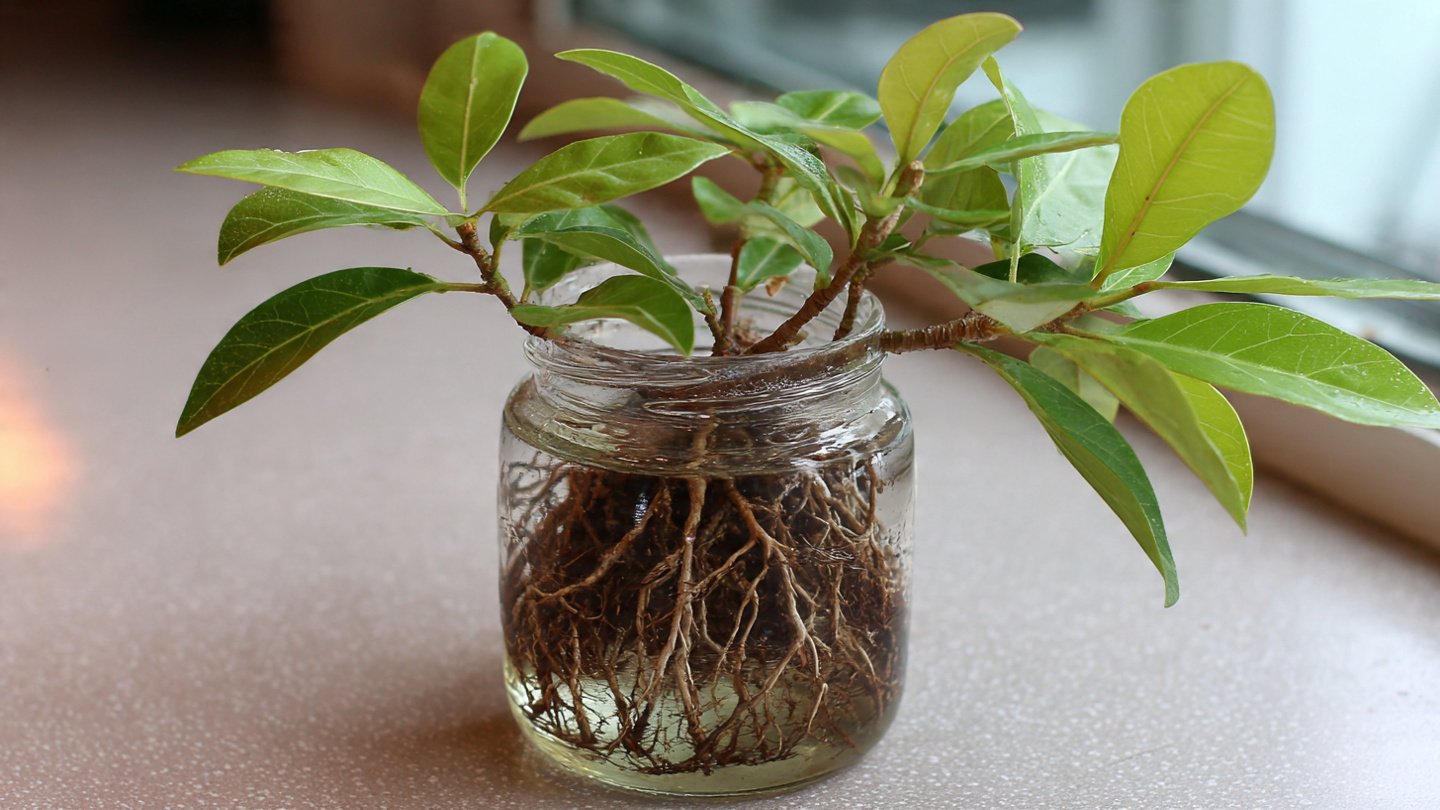
Ficus plants are some of the most popular indoor greenery due to their glossy leaves, elegant growth, and air-purifying qualities. Whether it’s a fiddle leaf fig, Ficus benjamina, or any other variety, propagating ficus from cuttings is an easy, cost-effective way to grow new plants and enhance your indoor garden. Among the various propagation methods, rooting ficus cuttings in water is one of the most beginner-friendly, highly successful techniques.
This guide provides a detailed step-by-step approach to rooting ficus cuttings in water, ensuring your new plants develop strong roots and thrive indoors.
Why Choose Water Propagation for Ficus?
Water propagation offers several advantages over soil propagation, especially for indoor gardeners:
- Visible Root Development – You can monitor progress and remove cuttings that fail early.
- Minimal Equipment – No soil, pots, or fertilizers are required initially.
- Lower Risk of Stress – Cuttings absorb water easily, reducing the chance of drying out.
- High Success Rate – Properly prepared cuttings root faster and more reliably in water.
This method is perfect for beginners who want a simple and clean propagation technique.
Selecting the Right Ficus Cutting
The success of water propagation starts with choosing a healthy cutting.
1. Type of Cutting
- Use semi-hardwood stems that are not too soft or old.
- Cuttings should be 4–6 inches (10–15 cm) long.
- Include at least 2–3 nodes, as roots develop from the nodes.
2. Health of the Parent Plant
- Choose a strong, disease-free ficus.
- Avoid stems with pests, damage, or signs of stress.
3. Making the Cut
- Use sharp, clean pruning shears or a knife.
- Cut just below a node at a 45° angle to maximize rooting surface area.
Preparing the Cutting for Water Rooting
Proper preparation greatly increases rooting success.
Step 1: Remove Lower Leaves
- Strip off leaves from the lower half of the cutting to prevent rot in water.
- Keep 2–3 healthy leaves at the top for photosynthesis.
Step 2: Optional Natural Rooting Aids
- Dipping the cut end in natural rooting aids such as cinnamon powder or aloe gel can speed up root growth.
- Avoid harsh chemical rooting hormones if you prefer an organic approach.
Choosing Water and Container
The water quality and container type significantly affect root development.
Water Quality
- Use clean, room-temperature water.
- Filtered or dechlorinated water is ideal to prevent chemical stress on the cutting.
Container Choice
- Use a clear glass jar or plastic cup so you can observe root growth.
- Avoid opaque containers, as light can encourage algae growth.
Providing Optimal Light and Temperature
Environmental conditions play a major role in successful rooting.
Light
- Place the container in bright, indirect sunlight.
- Avoid direct sunlight, which can overheat the water and stress the cutting.
Temperature
- Keep the environment between 20–25°C (68–77°F).
- Avoid cold drafts or extreme temperature changes, as ficus prefers stable indoor conditions.
Air Circulation
- Ensure gentle airflow to prevent mold but avoid placing cuttings in a draft.
Maintaining Water and Hygiene
Clean water is essential to prevent fungal or bacterial growth.
- Replace the water every 5–7 days.
- Wash the container with mild soap and rinse before refilling.
- Remove fallen leaves from the water to prevent rotting.
Regular maintenance ensures faster and healthier root development.
Monitoring Root Development
Ficus cuttings typically develop visible roots in 2–4 weeks, depending on species and conditions.
- Look for small, white, or light brown roots emerging from the nodes.
- Once roots are 2–3 inches long, the cutting is ready for soil transplantation.
- If no roots appear after 4–6 weeks, check for signs of rot or disease and trim damaged sections.
Preparing for Transplantation
Once roots are strong, it’s time to transfer the cutting to soil.
Step 1: Choose a Suitable Pot
- Pick a pot with drainage holes to prevent waterlogging.
- A slightly larger pot accommodates root growth without overwhelming the cutting.
Step 2: Use Well-Draining Soil
- A mix of garden soil, compost, and cocopeat or sand works well.
- The soil should retain moisture while allowing excess water to drain.
Step 3: Plant Carefully
- Handle roots gently to avoid damage.
- Place the cutting in soil and lightly press around the base.
- Water moderately to settle the soil but avoid overwatering.
Aftercare for Newly Planted Cuttings
Transplanted cuttings need proper care to establish themselves:
- Keep the plant in bright, indirect light for the first few weeks.
- Avoid fertilizing immediately; wait until new growth appears.
- Water moderately, allowing the top layer of soil to dry slightly between watering.
- Monitor for pests or stress and remove any yellowing leaves.
With proper care, your new ficus will grow into a healthy indoor plant.
Common Mistakes to Avoid
- Overwatering in Water Container – Change water regularly and avoid submerging leaves.
- Direct Sunlight – Can burn leaves and stress the cutting.
- Using Weak or Diseased Cuttings – Always select healthy parent plants.
- Premature Transplantation – Wait until roots are well-developed before moving to soil.
Avoiding these mistakes increases your success rate significantly.
Benefits of Water Propagation
- Easy to monitor root development
- Reduces risk of soil-borne diseases during early stages
- Encourages faster establishment in soil after transplant
- Simple, low-cost, and beginner-friendly
With patience and attention to detail, water propagation often results in robust new plants.
Additional Tips for Thriving Indoor Ficus
- Rotate the pot occasionally to promote even growth.
- Maintain moderate humidity for optimal leaf development.
- Clean leaves regularly to enhance photosynthesis.
- Prune damaged leaves to encourage strong, healthy growth.
These small habits ensure your propagated ficus thrives indoors.
Final Thoughts
Rooting ficus cuttings in water is one of the simplest, most effective methods for indoor plant propagation. By selecting healthy cuttings, using clean water, providing indirect light, and maintaining hygiene, you can achieve maximum success. Transplanting once roots are strong ensures long-term growth, creating thriving indoor plants that enhance your living space with greenery and elegance.
With this method, anyone can grow new ficus plants naturally and successfully—turning a simple cutting into a thriving, glossy indoor plant.