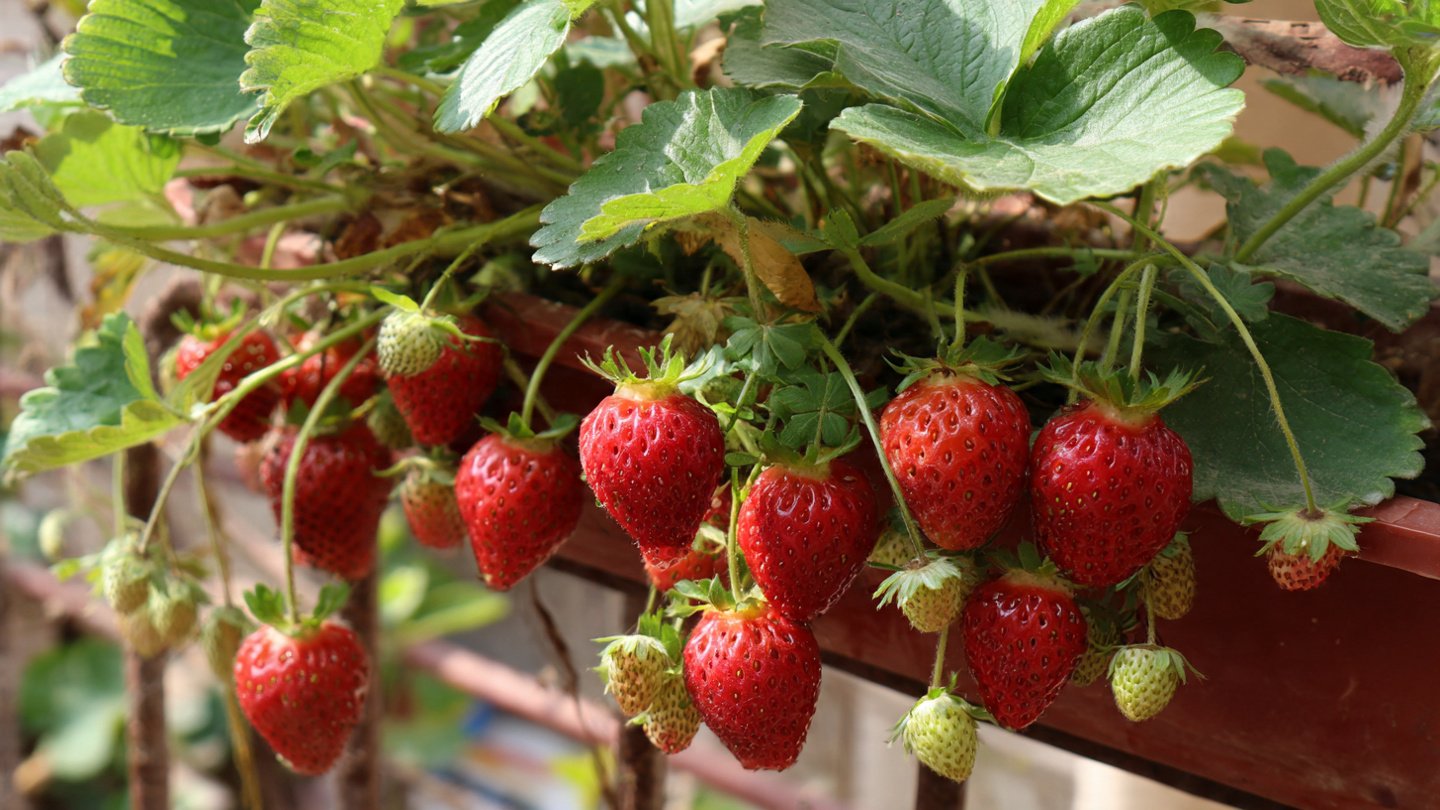
Balcony gardening is an ideal solution for urban dwellers who want to grow fresh, healthy produce without the need for a large garden space. Among the most rewarding crops for small spaces are strawberries. Their vibrant red fruits, sweet aroma, and versatile use in desserts, smoothies, and salads make them a favorite for home gardeners. What makes strawberries even more appealing is their adaptability to container gardening. Using recycled plastic bottles, you can create a compact, efficient, and sustainable growing system that allows for a continuous harvest of juicy strawberries right on your balcony. This guide will walk you through the entire process, from preparing bottles to harvesting ripe strawberries consistently.
Why Grow Strawberries in Plastic Bottles?
Growing strawberries in plastic bottles offers several advantages:
- Space-saving: Vertical arrangements maximize small balconies or patios.
- Recycling: Repurposes plastic bottles, reducing waste and promoting sustainability.
- Ease of maintenance: Bottles allow better control of soil moisture, drainage, and sunlight exposure.
- Continuous harvest: Proper care ensures strawberries produce fruit throughout the growing season.
This method is particularly effective for urban gardeners with limited space who want fresh strawberries year-round.
Selecting the Right Strawberry Varieties
Choosing the right strawberry variety is essential for balcony gardening and continuous harvests. Strawberries are generally categorized into June-bearing, everbearing, and day-neutral types:
- June-bearing: Produce a large crop once a year, usually in late spring or early summer. Ideal if you want a single bountiful harvest.
- Everbearing: Produce fruit two to three times a year, typically in spring, summer, and fall.
- Day-neutral: Produce fruit continuously throughout the growing season as long as temperatures remain between 35–85°F (2–29°C).
For balcony gardening and continuous harvests, day-neutral or everbearing varieties such as ‘Albion,’ ‘Seascape,’ or ‘Tristar’ are ideal. These varieties are prolific, compact, and suited for container cultivation.
Preparing Plastic Bottles for Strawberry Plants
Recycling plastic bottles for strawberry cultivation is straightforward and eco-friendly. Here’s how to prepare them:
Step 1: Select Suitable Bottles
- Choose 1–2 liter plastic bottles for adequate soil space.
- Clear or translucent bottles are preferred to monitor soil moisture.
Step 2: Cut Openings for Planting
- Cut horizontal slits along the sides of the bottle for planting. Each slit should be large enough to accommodate a small strawberry plant but not too wide to prevent soil spillage.
- Leave a small opening at the top for planting additional seedlings or watering.
Step 3: Create Drainage Holes
- Poke 2–3 small holes at the bottom of the bottle to allow excess water to drain.
- Proper drainage prevents root rot and maintains healthy plants.
Step 4: Optional Hanging System
- For vertical arrangements, attach strings or hooks through the bottle cap or sides.
- Ensure the setup is sturdy enough to support the weight of soil and plants when watered.
Choosing and Preparing Soil
Strawberries thrive in nutrient-rich, well-draining soil. For plastic bottle gardening:
- Use a mix of potting soil and compost in a 2:1 ratio.
- Add perlite or vermiculite to improve aeration and drainage.
- Ensure the soil is slightly acidic to neutral (pH 5.5–7.0) for optimal nutrient absorption.
Filling the bottles with this mixture provides a healthy environment for roots and promotes vigorous growth.
Planting Strawberries in Plastic Bottles
Once bottles are prepared and soil is ready, it’s time to plant:
Step 1: Select Healthy Seedlings
- Choose disease-free strawberry plants with vibrant green leaves and well-developed roots.
- Avoid yellowed or wilted plants that may struggle in containers.
Step 2: Planting Technique
- Fill the bottle partially with soil.
- Place the seedling into the horizontal slit, ensuring the crown (the base of the leaves) sits at soil level.
- Add more soil around the plant gently, without covering the crown.
- Lightly water to settle the soil.
Step 3: Spacing
- If planting multiple bottles vertically, ensure 8–10 inches between slits to allow sufficient space for leaves and runners.
- Proper spacing prevents overcrowding and ensures sunlight reaches each plant.
Providing Optimal Growing Conditions
Strawberries need the right environment to flourish and produce continuous fruit:
1. Sunlight
- Strawberries require 6–8 hours of direct sunlight daily.
- Position bottles on balcony rails, shelves, or walls facing south or west to maximize sunlight exposure.
2. Temperature
- Ideal growth occurs in temperatures 60–80°F (15–27°C).
- Protect plants from frost by covering them with cloth or moving hanging bottles indoors during cold snaps.
3. Watering
- Maintain consistent soil moisture, as strawberries have shallow roots.
- Water when the top inch of soil feels dry. Avoid overwatering to prevent fungal diseases.
- Bottles allow efficient watering; gravity helps excess water drain naturally.
4. Fertilization
- Apply a balanced, water-soluble fertilizer every 2–3 weeks during the growing season.
- Organic options like compost tea or fish emulsion promote healthy growth and fruiting.
- Fertilizing regularly ensures continuous flower and fruit production.
Managing Runners and Plant Growth
Strawberries naturally produce runners—long stems that can develop into new plants. Managing runners is key for continuous harvests:
- Encourage propagation: Direct runners into nearby soil pockets within the bottle or separate small containers to produce new plants.
- Trim excess runners: Remove unwanted runners to allow the main plant to focus energy on fruiting.
- Rotate plants: Use runners to replace older plants after a season for a fresh cycle of fruit.
Proper management of runners ensures your balcony garden remains productive year-round.
Pollination and Flower Care
Strawberries produce flowers that must be pollinated for fruit development:
- In outdoor balconies, bees and insects naturally pollinate flowers.
- For indoor setups, use a small paintbrush or gently shake flowers to transfer pollen manually.
- Remove damaged or wilted flowers to allow the plant to invest energy in healthy fruits.
Successful pollination leads to larger, sweeter berries and consistent harvests.
Harvesting Strawberries
Timing is crucial for enjoying sweet, juicy strawberries:
- Harvest when berries are fully red and fragrant.
- Use scissors or gently pinch fruits from the plant to avoid damaging crowns.
- Pick berries regularly to encourage the plant to produce more flowers and fruits.
- Wash and consume fresh or store in the refrigerator for a few days.
Regular harvesting prolongs the productive life of your balcony strawberry plants.
Pest and Disease Management
Even in containers, strawberries are vulnerable to pests like aphids, slugs, spider mites, and diseases such as powdery mildew:
- Inspect plants weekly for pests or yellowing leaves.
- Use organic solutions like neem oil or insecticidal soap for pest control.
- Remove infected leaves promptly to prevent disease spread.
- Keep good airflow between bottles to reduce humidity and fungal problems.
Preventive care ensures continuous growth and a healthy harvest.
Tips for Continuous Harvest
- Succession planting: Stagger planting new seedlings or runners every few weeks for a steady harvest.
- Vertical arrangement: Stack bottles or use hanging systems to maximize space and sunlight exposure.
- Regular feeding: Fertilize consistently to maintain flowering and fruiting.
- Rotate soil: Refresh soil in bottles after one or two seasons to maintain nutrient levels.
With these techniques, you can enjoy fresh strawberries throughout the growing season, even in a small balcony space.
Conclusion
Growing sweet strawberries in plastic bottles is an innovative, eco-friendly, and highly rewarding way to enjoy fresh fruit in urban settings. From selecting the right varieties to preparing bottles, planting, providing optimal care, and managing runners, each step contributes to a continuous harvest of juicy berries.
This method not only makes efficient use of limited space but also allows gardeners to recycle materials and reduce waste. With consistent attention to watering, fertilization, sunlight, and pest management, your balcony strawberry garden can thrive for multiple seasons, offering fresh, sweet berries for desserts, smoothies, and snacking.