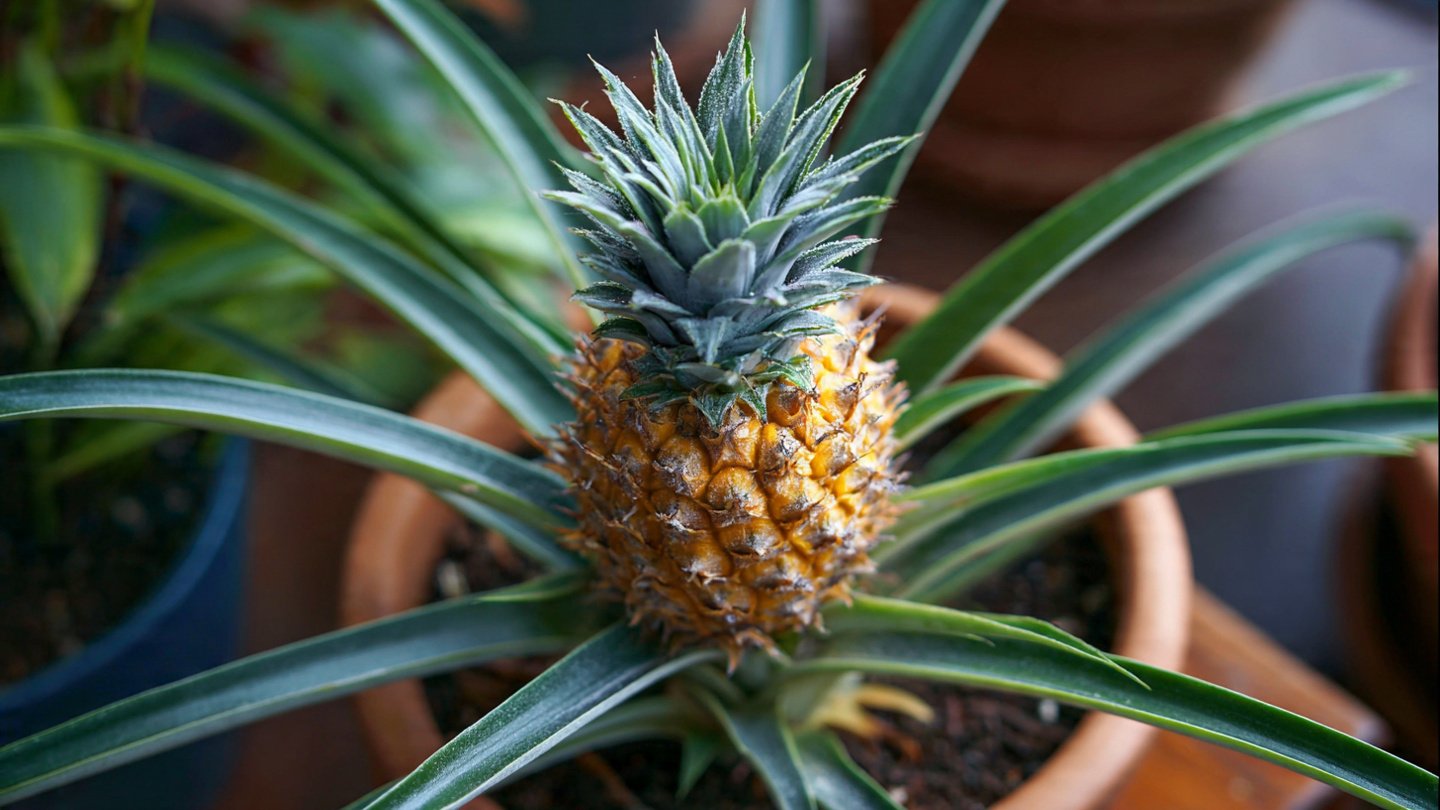
Did you know that the pineapple sitting on your kitchen counter can give you an entirely new plant if you know the right trick? Most people throw away the leafy top of a pineapple after eating the fruit, but this part can grow into a full pineapple plant with minimal effort. Even better, with a few clever tips, you can speed up the growth and enjoy fresh pineapples faster than you might expect.
Whether you live in a warm climate or want to experiment indoors, growing pineapples from discarded tops is both rewarding and surprisingly easy. Here’s a complete guide to help you maximize growth and harvest delicious fruit from something most people consider trash.
Why Grow Pineapple From Tops?
Pineapple tops are not just recyclable—they’re also highly resilient and naturally designed to sprout new growth. Here’s why this method works so well:
- Cost-effective: No need to buy seedlings.
- Sustainable: Reduce food waste by giving the discarded top a new life.
- Educational: Great for kids and adults to learn about plant propagation.
- Satisfying: Watch a fruit you’ve eaten grow into a plant that produces more fruit.
With the right care, you can get a thriving pineapple plant in a few months and a mature fruit in about 18–24 months.
Selecting the Right Pineapple Top
Not all tops grow equally well. Follow these tips:
- Choose a Healthy Fruit: Look for a pineapple that is ripe but not overripe.
- Check the Leaves: They should be green, firm, and healthy-looking. Avoid wilted or brown-tipped leaves.
- Cut Correctly: Twist or cut the leafy crown off the fruit about half an inch below the leaves. Remove any remaining fruit flesh to prevent rotting.
Proper selection and preparation increase your chances of fast and healthy growth.
Step 1: Prepare the Pineapple Top
Before planting, preparation is key:
- Remove a few of the lower leaves to expose about 1 inch of the base.
- Let the top dry for 1–2 days to allow the cut end to callus. This prevents rotting when planted.
- Optional: Dip the base in rooting hormone to encourage faster root development.
Step 2: Root the Pineapple
There are two main methods: water rooting and soil rooting.
Water Rooting:
- Place the pineapple top in a shallow glass of water with the base submerged.
- Keep it in a sunny spot and change the water every 2–3 days.
- Roots typically form in 2–4 weeks.
Soil Rooting:
- Plant directly in a well-draining potting mix.
- Keep the soil slightly moist, not waterlogged.
- Provide indirect sunlight initially, then gradually move to full sun.
Both methods work, but water rooting gives you a visible sign of root growth, which is encouraging for beginners.
Step 3: Plant in Soil
Once roots are 2–4 inches long, transplant the top into soil:
- Use a pot with drainage holes and a well-draining soil mix (sand, perlite, and compost work well).
- Plant the top slightly deeper than the base, supporting it upright.
- Water lightly and place the pot in a sunny location.
Proper soil and drainage are crucial to avoid rot and encourage strong growth.
How to Make Your Pineapple Grow Super Fast
While pineapples naturally take time to mature, these tips can accelerate growth:
- Sunlight: Pineapples need 6–8 hours of sunlight daily. If indoors, use a grow light.
- Watering: Keep soil lightly moist but never soggy. Pineapples store water in their leaves, so overwatering slows growth.
- Fertilizing: Use a balanced, slow-release fertilizer every 6–8 weeks. Boost phosphorus and potassium during flowering for stronger fruits.
- Warm Temperatures: Pineapples thrive in temperatures between 65–85°F (18–29°C). Protect from frost and cold drafts.
- Pruning Suckers: Once the plant grows, remove extra suckers or side shoots to focus energy on the main crown.
Following these steps can reduce the time to flowering and fruiting by several months.
Common Problems and How to Avoid Them
Even though pineapple tops are hardy, some issues can slow growth:
- Root Rot: Usually caused by overwatering or poor drainage. Use a sandy soil mix and avoid waterlogging.
- Leaf Yellowing: Can indicate nutrient deficiency; fertilize appropriately.
- Pests: Mealybugs and scale insects occasionally appear. Treat with neem oil or insecticidal soap.
- Slow Growth: Often caused by insufficient sunlight or low temperatures.
By monitoring your plant regularly, you can catch problems early and keep growth on track.
When to Expect Fruit
Patience is key. Pineapples grown from tops typically produce fruit in 18–24 months. Some tropical climates can shorten this to 12–15 months with optimal care.
Signs your plant is ready to flower:
- The center forms a flower stalk or bud.
- Leaves grow longer and firmer.
- Plant energy shifts to fruit development.
Once flowering starts, pollination is usually natural, and the fruit will mature over several months.
Bonus Tip: Multiply Your Plants
After a few months, your pineapple plant may produce suckers or slips, which are baby plants growing from the base or sides:
- Remove and pot these separately.
- Use them to grow additional pineapples or gift to friends.
This way, a single discarded pineapple top can eventually give you multiple plants.
Why This Method Is Worth Trying
Growing pineapples from discarded tops is:
- Cost-effective: No need to buy seeds or seedlings.
- Eco-friendly: Reduces kitchen waste.
- Satisfying: Gives a sense of accomplishment as a fruit grows from what was previously thrown away.
- Fun: Great educational project for kids or beginner gardeners.
Plus, once you see a new pineapple plant growing, it’s incredibly rewarding.
Final Thoughts
Most people underestimate the potential of a simple pineapple top—but with the right care, sunlight, soil, and patience, it can produce fruit faster than you expect. By applying these tips, you can grow a thriving pineapple plant from discarded material and even propagate new plants from suckers.
It’s a perfect example of sustainable gardening, creativity, and patience paying off—and you’ll never look at leftover pineapple tops the same way again.