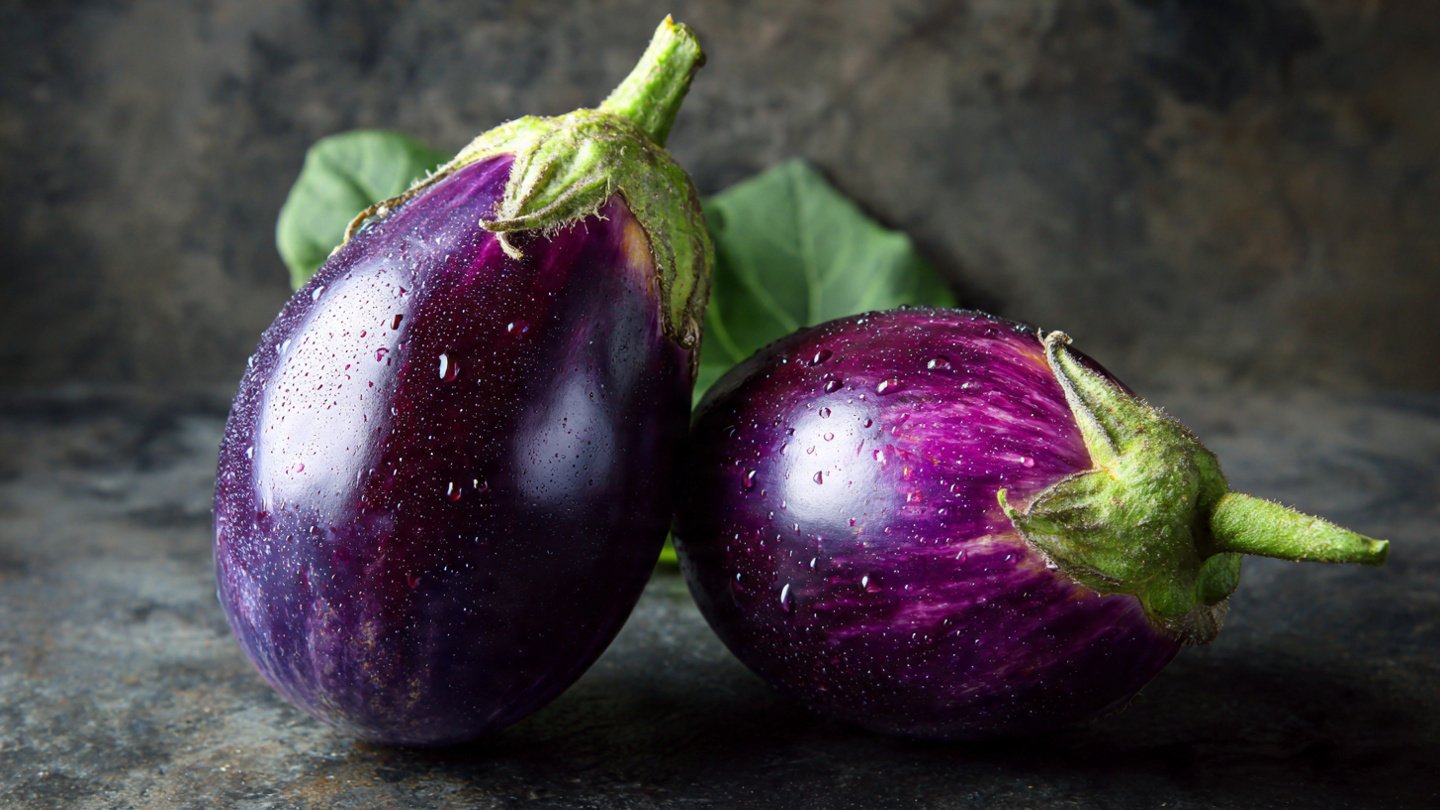
Eggplants are among the most versatile and rewarding vegetables to grow in your home garden. Among the many varieties, the American Egg Eggplant stands out for its abundant fruit production and superior taste. With proper care, this variety can yield dozens of glossy, tender, and delicious eggplants throughout the growing season, making it a favorite for gardeners and home cooks alike.
If you’ve ever dreamed of harvesting eggplants that are both plentiful and flavorful, this guide will show you how to grow American Egg Eggplant successfully and maximize your yield.
Why Choose American Egg Eggplant?
The American Egg Eggplant, sometimes called “white eggplant” in the U.S., is valued for its striking light-colored fruits, smooth texture, and mild, creamy flavor. Unlike many eggplants that can be bitter, this variety is particularly tender, making it ideal for grilling, roasting, stir-frying, or stuffing.
Gardeners choose this variety for several reasons:
- High yield: Each plant can produce numerous fruits throughout the season.
- Flavor: Mild and less bitter than many traditional purple varieties.
- Adaptability: Thrives in containers, raised beds, and garden plots.
- Disease resistance: Hardy against common eggplant pests and diseases when properly cared for.
Growing this variety ensures you not only have a productive garden but also flavorful fruits perfect for any dish.
Choosing the Right Growing Location
American Egg Eggplant thrives in warm, sunny conditions. For maximum fruiting:
- Sunlight: Provide at least 6–8 hours of direct sunlight daily.
- Temperature: Ideal growing temperatures are 70–85°F (21–29°C). Avoid frost, which can damage seedlings.
- Airflow: Good ventilation prevents fungal issues and supports healthy growth.
Whether in your backyard, balcony, or patio, select a spot with ample sunlight and good air circulation for high yield.
Soil Preparation for Super Fruit Production
Eggplants are heavy feeders and require nutrient-rich, well-draining soil for continuous fruiting.
Soil mix recommendation:
- 40% garden soil
- 40% compost or vermicompost
- 20% coco peat or sand for drainage
Eggplants prefer slightly acidic to neutral soil (pH 6.0–6.8). Mixing organic matter ensures the soil retains moisture, provides nutrients, and supports strong root development.
Starting Seeds and Transplanting
You can grow American Egg Eggplant from seeds or seedlings:
- Seed Starting: Sow seeds indoors 8–10 weeks before the last frost. Keep the soil moist and warm (75–85°F / 24–29°C) for rapid germination.
- Transplanting: When seedlings have 4–6 true leaves and the soil temperature is stable above 60°F (15°C), transplant them into prepared soil or containers.
- Spacing: Maintain 18–24 inches between plants to allow room for branching and air circulation.
Healthy seedlings are the foundation of a high-yielding plant, so proper care during early stages is critical.
Watering and Moisture Management
Eggplants need consistent moisture, but overwatering reduces fruit quality.
Watering tips:
- Water deeply once or twice a week, depending on climate and soil.
- Avoid waterlogging, which can cause root rot.
- Mulch around the base with straw or leaves to retain moisture, suppress weeds, and maintain even soil temperature.
Balanced watering ensures flowers set and fruits grow large and flavorful.
Fertilization for Maximum Fruits
American Egg Eggplant produces more fruits when fed properly.
Feeding schedule:
- Before planting: Mix compost or well-rotted manure into the soil.
- During growth: Apply liquid organic fertilizers or vermicompost tea every 2–3 weeks.
- During flowering and fruiting: Use a balanced fertilizer with phosphorus (for flowers) and potassium (for fruit development).
Avoid excessive nitrogen, which encourages leafy growth at the expense of flowers and fruit.
Pruning and Plant Training for High Yield
Pruning is key to producing “super many fruits”:
- Pinch early shoots: Remove weak or lower side shoots to direct energy to main stems and fruiting branches.
- Prune regularly: Trim older leaves that block sunlight or reduce airflow.
- Stake or cage: Support branches with stakes or cages to prevent bending or breaking under the weight of multiple fruits.
Proper pruning and support encourage larger, healthier fruits and increase the total number of eggplants per plant.
Pollination and Flower Care
Eggplants are self-pollinating, but gentle assistance improves fruit set:
- Shake plants lightly to move pollen between flowers.
- Encourage pollinators, such as bees, if planting outdoors.
- Remove damaged or old flowers to allow new flowers to bloom.
Healthy flowers are the gateway to bountiful harvests.
Pest and Disease Management
Common eggplant pests include aphids, whiteflies, spider mites, and fruit borers. Disease issues may include fungal leaf spots or wilt.
Prevention tips:
- Inspect plants regularly, especially the undersides of leaves.
- Use neem oil, soap sprays, or garlic-chili spray for pest control.
- Maintain good spacing and airflow to prevent fungal infections.
- Rotate crops to prevent soil-borne diseases.
Healthy plants under proper care are naturally more resistant to pests and diseases.
Harvesting for Best Flavor and Continuous Production
The key to abundant harvests is frequent picking:
- Harvest fruits when they are firm, glossy, and appropriately sized (typically 4–6 inches for American Egg Eggplant).
- Do not wait until the fruits over-mature; overripe fruits reduce production.
- Use a sharp knife or scissors to cut fruits, leaving a small stem attached.
Frequent harvesting signals the plant to produce more flowers and fruits, resulting in continuous high yield.
Tips for Maximum Flavor
American Egg Eggplant is prized for its tender flesh and mild flavor. To enhance taste:
- Grow in nutrient-rich, organic soil.
- Avoid overwatering, which can dilute flavor.
- Harvest at the right maturity stage for optimum taste and texture.
- Provide full sunlight for at least 6–8 hours daily.
Following these tips ensures your homegrown eggplants taste superior to store-bought varieties.
Final Thoughts
Growing American Egg Eggplant at home can be highly rewarding. With proper sunlight, nutrient-rich soil, balanced watering, pruning, and regular harvesting, you can enjoy a continuous supply of large, tender, and delicious fruits. This variety offers both quantity and quality, making it perfect for home gardeners who want abundant harvests and superior flavor.
By following these simple steps, you can turn your backyard, terrace, or balcony into a productive eggplant garden that produces “super many fruits” with incredible taste—proving that with the right care, homegrown really is best.